
Reviewed · GIZA PYRAMIDS & SPHINX TOURS
Exploring Egypt’s Marvels: Giza, Saqqara, Memphis & Dahshur
The pyramids are only the beginning. This private Cairo day trip packs Giza, Saqqara, Memphis, and Dahshur into eight or nine hours, giving you a broad look at how Egyptian pyramid building changed over time. I like the direct hotel pickup and the personal Egyptologist, especially when you want history explained instead of simply pointed at. I also like that lunch, water, entrance fees, and transport are bundled into the $80 price.
The main drawback is the ambitious schedule. Four major archaeological areas require plenty of driving, and some stops may feel brief. The camel ride details also need confirming, since the package describes it as included while one itinerary note says camel rides at the viewpoint cost extra. Ask about this before setting out.
In This Review
- Key points to know before booking
- Why this Cairo day trip makes sense
- Giza Plateau: the grand opening
- The panoramic viewpoint and camel photographs
- The Sphinx and Valley Temple
- Saqqara and the first great pyramid
- Memphis: a capital reduced to scattered remains
- Dahshur and the lessons of the Bent Pyramid
- Guides, drivers, and the human side of the day
- Lunch, timing, and what the $80 covers
- Who should book this private pyramid tour?
- Should you book it?
- FAQ
- How long does the tour last?
- Is hotel pickup included?
- Is the tour private?
- Is lunch included?
- Can I go inside the Great Pyramid of Khufu?
- Is the camel ride included?
Key points to know before booking
- Four major ancient sites in one day: Giza, Saqqara, Memphis, and Dahshur give you a useful view of Egypt’s Old Kingdom.
- Private touring matters here: Your own Egyptologist can adjust the pace, explain the monuments, and help with questions about optional pyramid entry tickets.
- The camel photo stop is at Giza’s panoramic viewpoint: You get the classic pyramid backdrop, but confirm whether your ride is included.
- Khufu’s interior requires an extra ticket: The main Giza visit is included, but going inside the Great Pyramid is not.
- Lunch and hotel transfers simplify the day: You avoid arranging taxis between widely separated sites.
- Guide quality is important: Michael, Mohamed Salah, and Amro received especially warm praise, while one very poor report centered on an unhelpful guide named Mohammed.
Why this Cairo day trip makes sense
Cairo’s ancient sights are spread across a wide area. Giza lies west of the city, while Saqqara, Memphis, and Dahshur sit farther south. Visiting them independently means arranging several rides, negotiating prices, watching the clock, and figuring out where to buy tickets.
This tour removes much of that friction. A driver collects you at your Cairo or Giza hotel, and the same private group continues from site to site. That is a real advantage in Egypt, where a day of monuments can become tiring before you even reach the second pyramid.
At $80 per person, the value depends on what you want from the day. The fee includes transport, a private guide, admission to the listed sites, bottled water, and a local lunch. You are mainly paying for convenience and the guide’s explanations, not just a ride past the monuments.
The tour is best for first-time visitors who want the major pyramid areas covered in one outing. If you prefer long, quiet visits at one site, this schedule may feel too full. The day gives you range rather than a slow study of every chamber and inscription.
The tour is private, so only your own group participates. That makes a difference at Giza, where you can ask to spend more time at a viewpoint or pause for photographs instead of following a large group on a fixed march.
More ways to see the pyramids and the Sphinx:
- Cairo: Pyramids & Great Sphinx Private Tour with Camel Ride
★ 4.9 · 6,335 reviews - Tour to Giza Pyramids and The Egyptian Museum
★ 5.0 · 6,016 reviews - VIP All inclusive Best of the best Giza Pyramids,Sakkara,Memphis
★ 5.0 · 3,164 reviews
Giza Plateau: the grand opening
The day begins at the Giza Plateau, where the Great Pyramid of Khufu, Khafre’s Pyramid, Menkaure’s Pyramid, the Sphinx, and the Valley Temple are gathered in one famous setting. Plan on about three hours in this area, though the exact pace can change.
Your guide should first help you get oriented. The pyramids are so large that the scale can be hard to judge from the ground. A good explanation connects the buildings to the pharaohs who ordered them, the burial complexes around them, and the engineering choices that made each pyramid different.
Khufu’s Great Pyramid is the oldest and largest of the three. It is also the only surviving wonder of the ancient world. It remained the tallest human-made structure for thousands of years, which is a useful fact to hear while you are looking up at its enormous stone courses.
The standard visit does not include entry inside Khufu’s Pyramid. An additional ticket is required, and the guide can help you arrange it. I would treat this as an optional extra rather than an essential part of the day. The exterior view, the surrounding plateau, and the other monuments already fill the morning.
Khafre’s Pyramid is slightly smaller than Khufu’s, though its higher ground and remaining cap of smooth casing stones can make it look taller. The connected Valley Temple is especially valuable because it gives you a better sense of the ceremonial side of the complex.
This temple was used in the preparation and mummification rites associated with King Khafre. Its massive stone blocks and restrained interior are a sharp contrast to the more familiar image of a pyramid. The causeway linking the temple and pyramid also helps you picture how the complex worked as a planned royal site.
Menkaure’s Pyramid is the smallest of the three main Giza pyramids, rising about 61 meters. Its lower sections retain granite quarried at Aswan, more than 900 kilometers away. That detail gives the monument extra weight: the builders were not simply stacking local stone, but moving heavy material over a remarkable distance.
Expect about 30 minutes at each of Khafre’s and Menkaure’s pyramids. That is enough for an explanation and photographs, but not a leisurely archaeological inspection. If you want to enter any pyramid, tell your guide early so the timing and ticket arrangements are clear.
The panoramic viewpoint and camel photographs
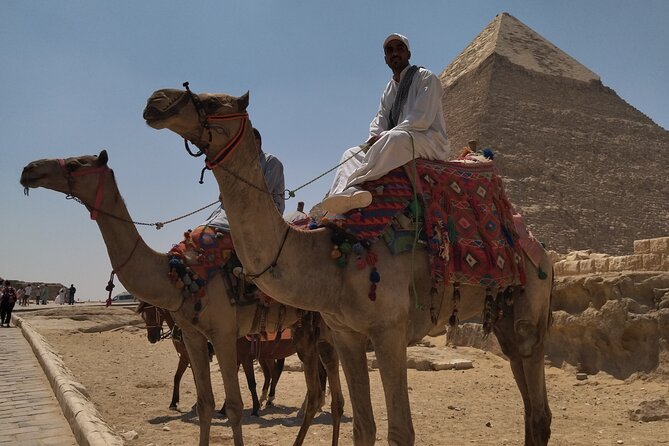
The panoramic viewpoint is one of the most useful photo stops at Giza. From here, you can frame several pyramids together with the city of Giza behind them. The contrast between ancient stone and modern Cairo is part of the scene, not a flaw.
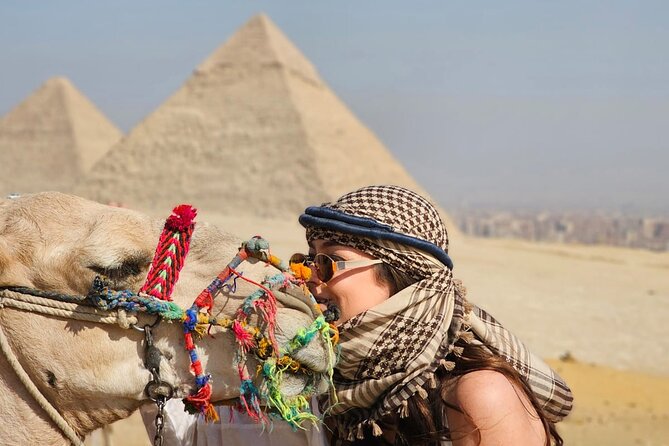
You are allowed roughly 30 minutes at the viewpoint. This is where the classic camel photograph is arranged, with the pyramids behind you. The package description lists a short camel ride among the inclusions, but another part of the tour information says camel rides at this location are available for an extra charge.
That contradiction is worth addressing before you pay or begin the ride. Also keep a little cash ready for a camel handler’s tip. One French-language review specifically advised budgeting for this. You do not want a small surprise to sour an otherwise enjoyable photo stop.
The camel ride appears to be short, designed mainly for the experience and photographs rather than a long desert outing. I would judge it on those terms. If your main goal is an iconic image, this stop delivers the right setting. If you want a substantial ride, ask about the duration and cost in advance.
The Sphinx and Valley Temple
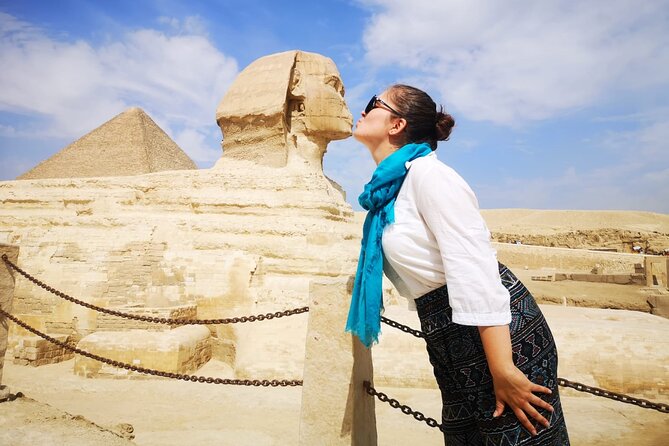
The Great Sphinx is visited during the Giza portion of the day. With its lion’s body and human head traditionally linked to Khafre, it is one of Egypt’s most recognizable monuments and one of the places where your guide’s interpretation adds real value.
The Sphinx itself can feel smaller than expected after seeing the pyramids. That is normal. Its power comes from its age, position, and the way it guards the approach to the pyramid complex. You should have time for close photographs and an explanation of its role and symbolism.
The tour information gives about 30 minutes for this stop. Parking restrictions may affect the visit. One review noted that the guide could not park near the Sphinx and allowed only about five minutes for photographs there. That may not happen every time, but it is a useful warning: do not assume the Sphinx stop will be as flexible as the panoramic viewpoint.
The Valley Temple of Khafre is especially close to the Sphinx and helps explain the royal burial process. Your Egyptologist can point out how the temple was connected to the causeway and how it functioned during the preparation of the king’s body.
More Saqqara, Memphis and Dahshur days:
- From Cairo: Pyramids of Giza, Sphinx, Saqqara & Memphis Tour
★ 4.7 · 3,110 reviews - Cairo: Pyramids, Sakkara & Memphis Tour with Lunch
★ 4.6 · 2,493 reviews - Private Day Tour Giza Pyramids, Sphinx, Memphis, and Saqqara
★ 4.5 · 904 reviews - Private tour: GIza Pyramids, Memphis City & Sakkara Pyramid
★ 5.0 · 637 reviews
Saqqara and the first great pyramid
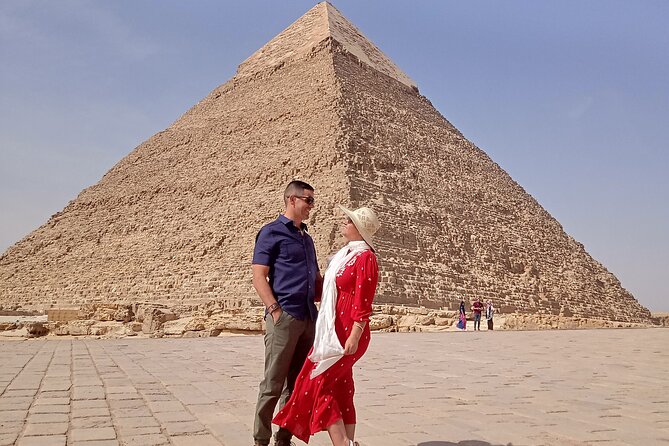
After Giza, the tour heads to Saqqara, one of the most important places for understanding early pyramid design. This is where the story moves from the familiar Giza monuments to the experiments that came before them.
The most important sight here is the Step Pyramid of Djoser, the earliest pyramid in Egypt. The design rises in stacked levels rather than smooth triangular sides, showing an early stage in the development of the pyramid form.
Saqqara can be more rewarding than a quick visit to another famous monument because it shows that pyramid building was a process. The builders tested shapes, materials, angles, and structural methods over generations. Your guide’s job is to connect those changes, so you can see why the later pyramids look the way they do.
The itinerary gives about an hour to the Saqqara and Memphis portion, with Memphis listed after Saqqara. That suggests the time is shared between two places, so do not expect a full morning at Saqqara. If the Step Pyramid is your priority, say so at the beginning and ask how the guide plans to divide the time.
Memphis: a capital reduced to scattered remains
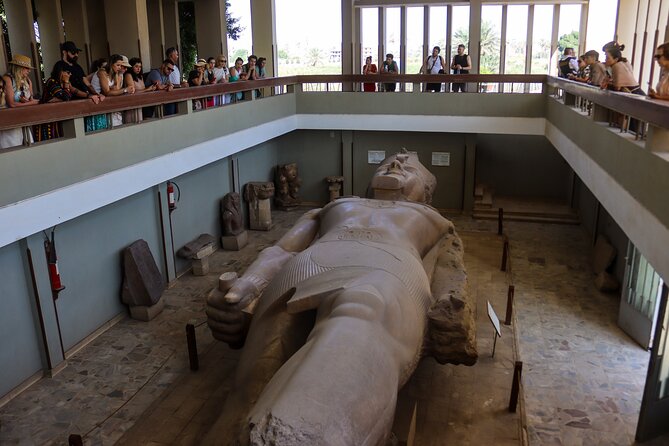
Memphis was founded around 3100 BC and served as the ancient capital of Egypt during the Old Kingdom. Unlike Giza, it is not a single giant monument that immediately dominates the view. The remains are more scattered, and the museum setting makes the guide’s explanation particularly useful.
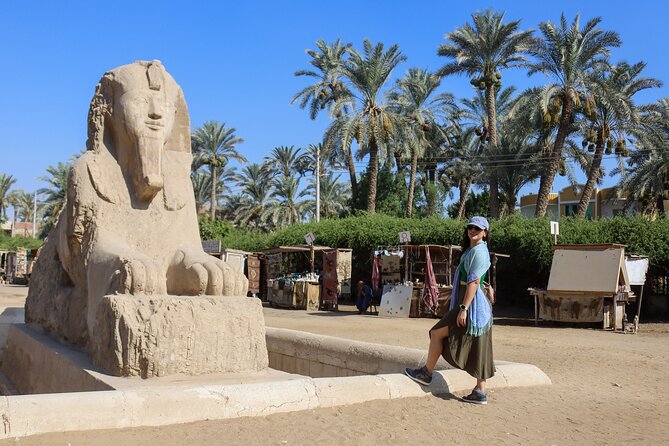
The main sights include a colossal limestone statue of Ramses II and the Great Alabaster Sphinx. Ramses II ruled for 66 years, and the statue reflects the scale of royal image-making in his time.
Memphis is worth including because it adds political context to a pyramid day. Giza and Saqqara show royal burial complexes, while Memphis helps explain the administrative and religious center that supported those projects.
The stop is listed at about one hour. That is enough to see the principal pieces without turning the day into a museum marathon. If you are mainly interested in intact pyramids, Memphis may feel less dramatic. If you want to understand how the monuments fit into the wider civilization, it earns its place.
Dahshur and the lessons of the Bent Pyramid
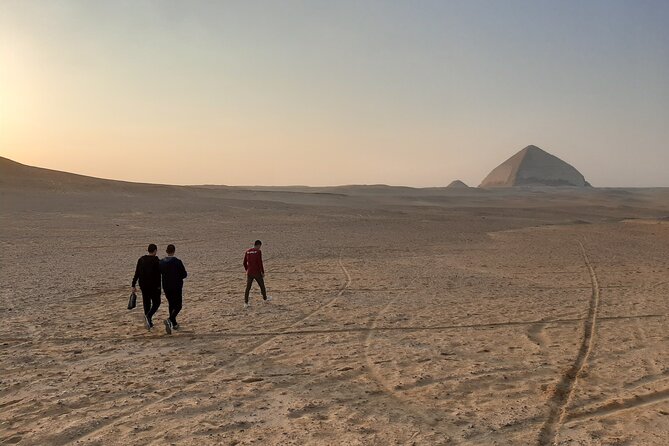
Dahshur is about 40 kilometers south of Cairo and offers two of the most revealing pyramids in Egypt: the Bent Pyramid and the Red Pyramid. These monuments were built during the reign of Sneferu, founder of the Fourth Dynasty.
The Bent Pyramid is famous for its change in angle. Its lower section begins at about 54 degrees, then shifts to a gentler 43-degree angle. The unusual profile records a construction problem and a practical response. You are looking at an ancient engineering adjustment, not a decorative oddity.
The Red Pyramid is considered the first true pyramid, with smooth, straight sides and a height of about 105 meters. It shows how pyramid builders refined the form after earlier experiments. For me, Dahshur is one of the strongest reasons to choose this tour over a basic Giza-only outing.
You get about an hour at Dahshur. The visit may include the chance to see the pyramids from outside and, depending on current access and ticket arrangements, enter areas available to the public. The supplied information confirms entrance fees to the sites, but it does not promise interior access to every pyramid. Ask your guide what is included before you climb or enter.
Dahshur also gives you a different setting from Giza. It is included as part of the same ancient pyramid story, yet the monuments are not presented as a single city-edge attraction. The result is a better sense of how broad the royal building program was.
Guides, drivers, and the human side of the day
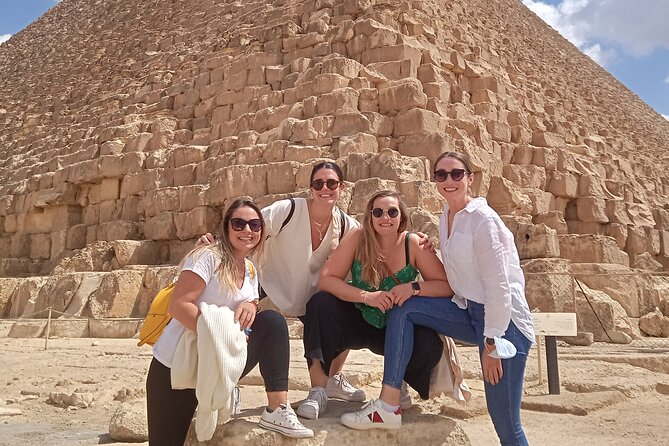
This tour rises or falls on the guide. The strongest praise goes to Michael, Mohamed Salah, and Amro. Michael was praised for making the day easy, relaxed, entertaining, and informative. Mohamed Salah received credit for clear explanations, a clean new car, and a capable driver. Amro was praised for explaining the stories of the different kings.
Those details matter. You are not only looking for facts about dates and heights. You need someone who can explain why the Bent Pyramid changed angle, what the Valley Temple did, and how Memphis connects to the pyramid builders.
There is also one serious warning. A very poor report described a guide named Mohammed as rude, unhelpful, and absent for much of the tour. One bad account does not prove a pattern, especially alongside a 97 percent recommendation rate and a 4.8 rating from 29 reviews. Still, I would confirm the guide’s name and make your expectations clear at pickup.
The driver matters too, since this is a long day with several road transfers. A clean vehicle and dependable driving reduce fatigue. The private format lets you communicate directly if you need a short pause, though the schedule remains full.
Lunch, timing, and what the $80 covers
A local lunch, bottled water, entrance fees, hotel pickup, and hotel drop-off are included. That makes the price easier to judge because you are not comparing $80 with a bare transport fee.
The package is marketed as an eight to nine-hour outing. One account found that the day did not quite last eight hours, although there was no feeling of being rushed except at the Sphinx. Treat the duration as approximate. Traffic, ticket arrangements, time at the pyramids, and your group’s interests can all change the finish time.
Lunch is practical rather than the main event. It breaks up a hot day and means you do not have to arrange food while moving between distant sites. The information does not specify a menu or restaurant, so anyone with strict dietary needs should ask before departure.
The tour offers free cancellation up to 24 hours before the start time. Changes or cancellations inside that window are not accepted for a refund. That is a useful safety net if your Cairo plans are still shifting.
Who should book this private pyramid tour?
I would choose this tour if you want to see the four major areas in one day, dislike negotiating with taxi drivers, and value having an Egyptologist beside you. It is also a good fit for couples, families, and small groups who want a private vehicle and the ability to ask questions.
It is less suitable if you want long interior visits, extensive time at every pyramid, or a slow photographic day. The schedule covers a lot of ground, and Giza alone can absorb several hours.
The camel ride is best treated as a short photo opportunity unless the operator confirms a longer outing. For the Great Pyramid interior, budget for a separate ticket. And before booking, ask two direct questions: Who is the assigned guide, and is the camel ride included in your exact package?
Should you book it?
For $80 per person, this is a strong-value introduction to Cairo’s pyramid country. You get the famous Giza monuments, the early experiments at Saqqara and Dahshur, and the capital of Memphis in one private day.
I would book it for range, convenience, and the chance to have a good Egyptologist such as Michael, Mohamed Salah, or Amro shape the visit. I would skip it only if you prefer a slower schedule or cannot confirm the guide and camel arrangements beforehand.
FAQ
How long does the tour last?
The tour takes approximately eight to nine hours, although the final length can vary. One account found it finished in less than eight hours.
Is hotel pickup included?
Yes. Pickup and drop-off are offered from Cairo or Giza hotels.
Is the tour private?
Yes. Only your group participates in the activity.
Is lunch included?
Yes. A local lunch and bottled water are included.
Can I go inside the Great Pyramid of Khufu?
You can request interior entry, but it requires a special ticket that is not included in the tour price.
Is the camel ride included?
The package description includes a camel ride, but another itinerary note says camel rides at the Giza viewpoint are available separately. Confirm the exact arrangement before booking, and plan for a possible camel handler tip.
Just added around Cairo
- Day Tour To Giza Pyramids, Great Sphinx, Saqqara Pyramids & Memphis Capital★ 5.0 · 23 reviews
- GEM Grand Egyptian Museum Private Tour from Cairo Giza hotels★ 5.0 · 23 reviews
- Cairo vip two or one day pyramids ,Museum,memfis ,saqra and7 places★ 5.0 · 23 reviews
- Giza Pyramids, Sphinx, Saqqara, and Dahshur Tour with Camel Ride★ 5.0 · 23 reviews
- Full-Day Tour to Giza Pyramids Saqqara Memphis Sphinx Private★ 5.0 · 23 reviews
- 8 Day Cairo Pyramids and Nile cruise and Alexandria All inclusive Private Tour★ 5.0 · 23 reviews
- Full-Day Tour to Giza Pyramids, memphis and Sakkara Step Pyramid★ 5.0 · 23 reviews
- Half Day Guided Trip To Egyptian Museum★ 4.5 · 23 reviews
Giza Pyramids & Sphinx Tours, compared.
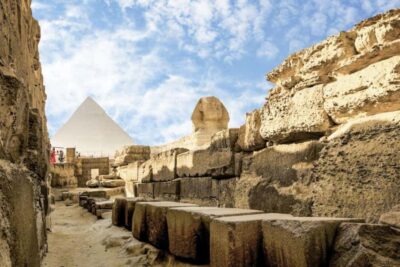
Pyramids & Great Sphinx Private Tour with Camel Ride
Read our review →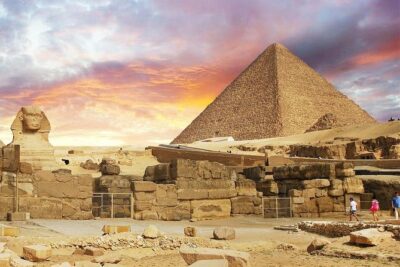
Tour to Giza Pyramids and The Egyptian Museum
Read our review →
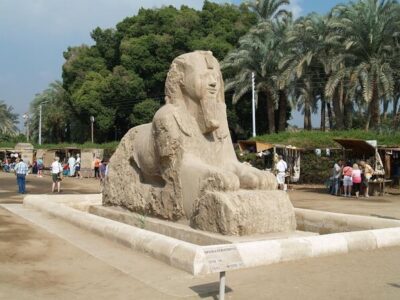
VIP All inclusive Best of the best Giza Pyramids,Sakkara,Memphis
Read our review →
Pyramids of Giza, Sphinx, Saqqara & Memphis Tour
Read our review →
Cairo 8 Hour Private Tour of Pyramids, Egyptian Museum and Bazaar
Read our review →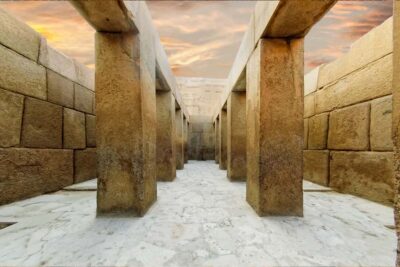
Half-Day Tour to Pyramids of Giza and the Sphinx
Read our review →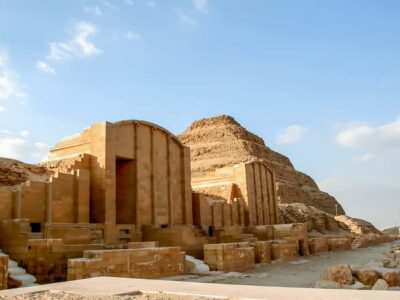
Browse the lists this tour appears in