
Reviewed · VALLEY OF THE KINGS TOURS
Half Day Tour: Valley of the Kings and Hatshepsut Temple & Mamnon
Ancient tombs make Luxor’s West Bank unforgettable. This private half-day outing brings you to three major sights in one compact trip, with hotel pickup, an air-conditioned car, bottled water, entrance fees, and a private English-speaking Egyptologist guide. I like the freedom of a private group, and I like that you see three very different monuments without arranging transport yourself.
The $9 price is remarkably low for private transfers and a guide, though you should check the exact booking option because the fare information treats entrance tickets differently in separate places. The main drawback is the tight schedule. You can see the highlights in four to six hours, but the Valley of the Kings and Hatshepsut Temple both reward slower looking.
In This Review
- Key points to know before booking
- Why Luxor’s West Bank deserves half a day
- Starting with the Valley of the Kings
- Hatshepsut Temple and its dramatic setting
- A short stop at the Colossi of Memnon
- What the private format really adds
- Is $9 good value for Luxor?
- Timing, pace, and practical comfort
- What the ratings tell you
- Who should book this West Bank tour?
- Should you book it?
- FAQ
- How long does the tour last?
- Which sites are included?
- How many tombs do I visit in the Valley of the Kings?
- Is hotel pickup available?
- Is the tour private?
- What type of transportation is provided?
- Is a guide included?
- Are entrance tickets included?
- Can I cancel for a full refund?
Key points to know before booking
- Three essential West Bank sights: Visit the Valley of the Kings, Hatshepsut Temple, and the Colossi of Memnon in one outing.
- Private transport and guide: Only your group participates, with hotel pickup and return in an air-conditioned vehicle.
- Three royal tombs included: You visit three tombs in the Valley of the Kings, but King Tutankhamun’s tomb is excluded.
- Hatshepsut gets proper attention: The temple visit is listed for about two hours, longer than the brief stop at the Colossi.
- Guide quality matters: Hany earned warm praise for bringing the past to life, while one French-speaking customer felt the guide fell short.
- Strong overall satisfaction: The experience carries a 4.9 rating from 29 ratings and a 97 percent recommendation rate.
Why Luxor’s West Bank deserves half a day
Luxor is split by the Nile into two very different worlds. The East Bank holds major temples and much of the modern city. The West Bank was the place of royal burials and funerary monuments, where ancient rulers prepared for the afterlife.
This tour keeps its focus on that funerary side. You are not hurried from one unrelated attraction to another. Instead, the route links royal tombs, a queen’s memorial temple, and two giant statues left from a much larger complex.
I find that combination especially useful if you have limited time in Luxor. The Valley of the Kings gives you underground burial chambers. Hatshepsut Temple shows a bold ceremonial design built into the cliffs. The Colossi of Memnon provide a quick look at the scale of royal power in ancient Egypt.
The trip is advertised as four to six hours, and the listed visits total roughly five hours and 20 minutes. That leaves room for driving and hotel transfers, but not much for wandering. If you want every wall painting explained at length, you may find the pace brisk.
More Valley of the Kings tours:
- Hurghada: Luxor Valley of the Kings & Tutankhamun Tomb Trip
★ 4.7 · 13,208 reviews - Luxor Day Tour: Valley of Kings & Queens & Hatchepsut Temples
★ 5.0 · 1,496 reviews - Luxor: Valley of the Kings and Hatshepsut Temple Day Tour
★ 4.4 · 1,404 reviews
Starting with the Valley of the Kings
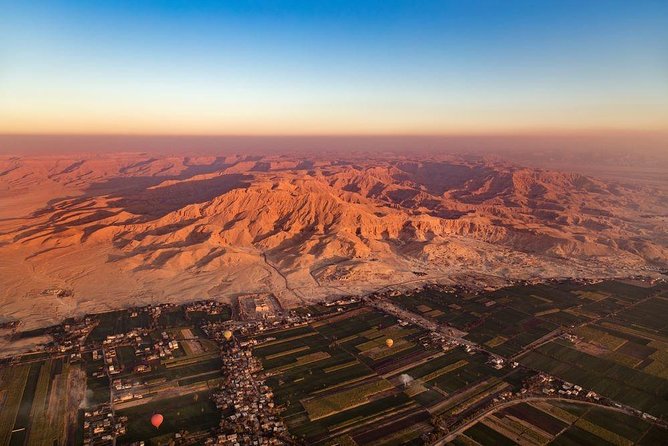
Your day begins with pickup at your Luxor hotel. A representative from Terre Des Pharaons takes you across to the West Bank in a private, air-conditioned vehicle. The ride matters because the sites are spread out, and arranging separate taxis can add hassle to a short visit.
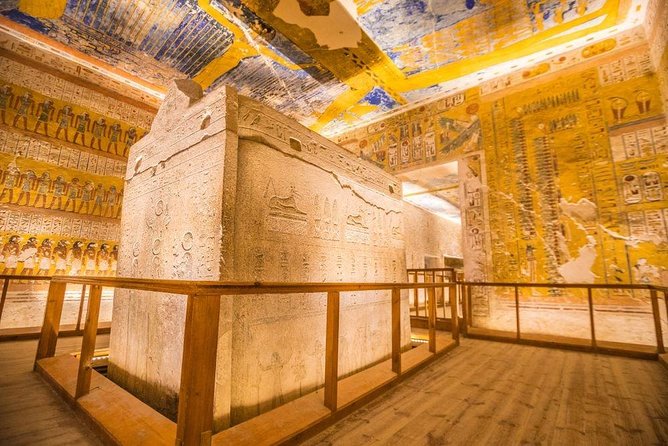
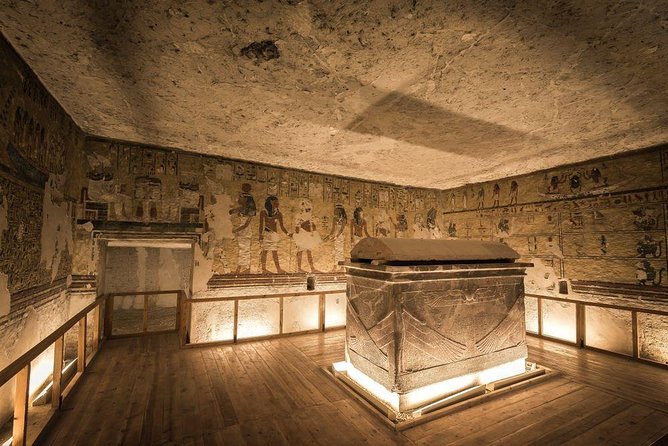
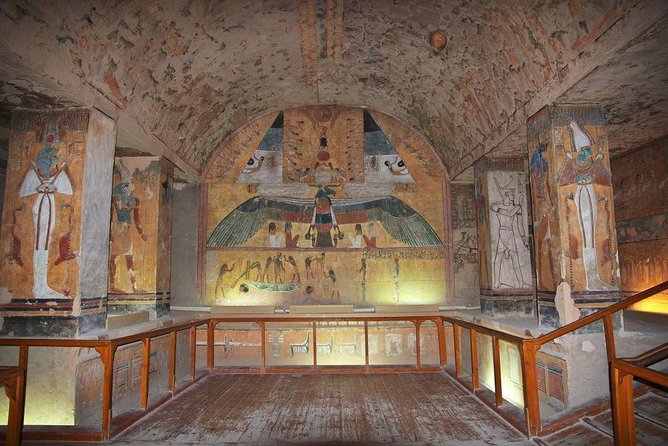
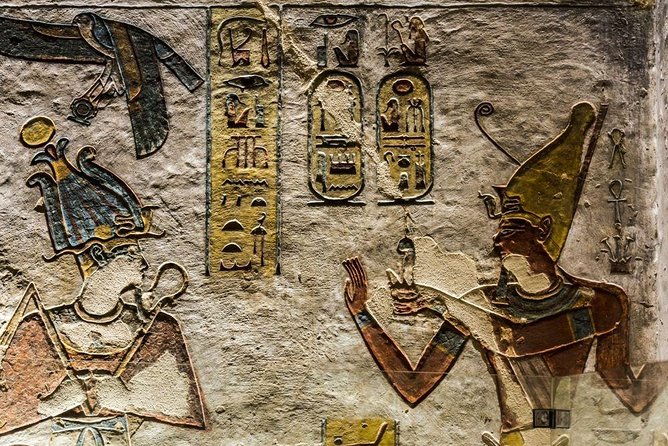
The Valley of the Kings is the centerpiece. This dry valley served as a burial area for many kings, and its importance is easy to grasp once you move from the open ground into the decorated tombs below it. The outside setting is stark. The real visual drama appears inside, where painted corridors and burial chambers carry the marks of ancient funerary beliefs.
Your admission covers three tombs, excluding the tomb of King Tutankhamun. That detail is important. Tutankhamun’s tomb is famous, but it is not part of this stated visit, so you should not book expecting to enter it.
Three tombs can be enough for a first look, especially if your guide helps you compare their decoration and layout. The quality of the explanation makes a real difference here. Hany received especially strong praise for his expertise, useful information, and storytelling. A good guide can help you notice how the tombs were built for royal burial rather than treating them as a series of dim rooms.
The main limitation is selection. The tour does not promise a particular set of three tombs, and you should not expect to see every famous burial chamber. If one specific tomb is your priority, ask about it before the day begins.
The Valley visit is listed at about three hours within the first part of the outing. That is a reasonable amount of time for three tombs, though the heat and walking can make the stop feel longer. Bring water, although a bottle is supplied in the vehicle, and use the transport breaks to recover between sites.
Hatshepsut Temple and its dramatic setting
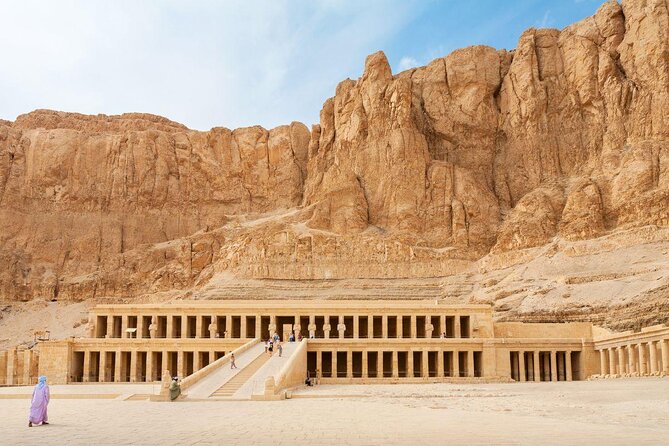
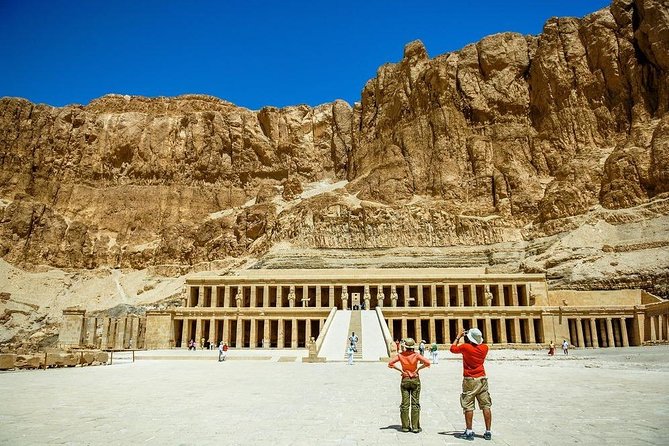
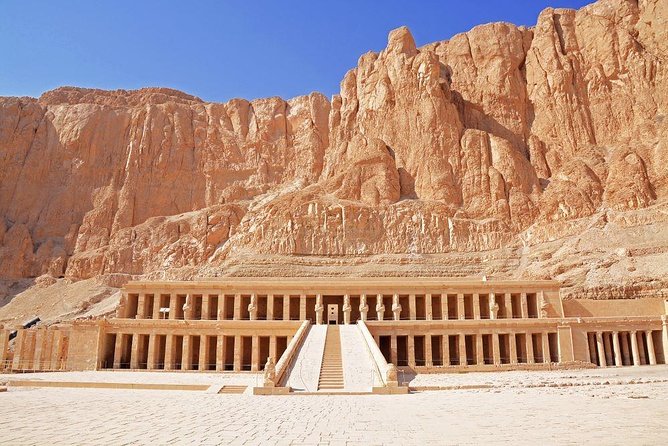
Next comes the Mortuary Temple of Hatshepsut, also called Deir el-Bahari. The temple was built for Queen Hatshepsut, one of ancient Egypt’s few female pharaohs. She ruled for about 20 years during the 18th Dynasty, and her position makes the monument more than another royal ruin.
The temple is one of ancient Egypt’s great architectural achievements. Its broad terraces rise toward the cliffs, giving the site a strong sense of order and ceremony. The design is associated with Senenmut, who served as an important official under Hatshepsut.
I like this stop because it changes the mood completely after the tombs. The Valley of the Kings is enclosed and underground. Hatshepsut’s temple is open, spacious, and built around long terraces and strong horizontal lines. You get a clearer sense of how royal display worked in public, not just how a pharaoh was prepared for burial.
The visit is listed at two hours, which gives this monument the attention it deserves. One useful idea from a Spanish-language booking is to change the order and visit Hatshepsut Temple first, before the site fills up. The private format makes that kind of adjustment possible, although the exact order depends on your guide and the day’s conditions.
You should still expect plenty of sun and walking. The temple’s exposed terraces offer little relief, and the stone surfaces can feel harsh under midday light. Comfortable shoes and modest clothing suited to a hot archaeological site are sensible choices, even though the tour details do not specify a dress code.
Hatshepsut’s story also adds a human layer. She was not simply a royal name carved into stone. She ruled Egypt as pharaoh and commissioned a temple designed to proclaim her authority. Your guide can help connect the architecture to that political message.
A short stop at the Colossi of Memnon
The Colossi of Memnon are the briefest stop, listed at about 20 minutes. That is enough time to get close, look up, take photographs, and hear the basic story, but not enough for a long archaeological visit.
The two statues depict Amenhotep III seated on his throne. Each is about 18 meters, or 60 feet, high and weighs roughly 700 tons. They were carved from single blocks of quartzite sandstone and once guarded the entrance to a much larger mortuary temple complex.
Today, the statues are all that remains of that complex. Their damaged surroundings make the scale even more striking. You are looking at two surviving pieces of a site that was once built to express a pharaoh’s divine authority.
This is a good final stop because it requires little time and gives you one last image of monumental royal power. It is also the least involved visit. If you prefer long guided explanations and detailed ruins, 20 minutes may feel too short. Think of it as a focused photo and context stop, not a full temple exploration.
The name can confuse some people. The statues depict Amenhotep III, not Memnon himself. The name Colossi of Memnon comes from later associations with the Greek hero Memnon.
More Hatshepsut temple visits:
- Hurghada: Valley of Kings Hatshepsut & Karnak Luxor Day Trip
★ 4.5 · 375 reviews - Shared Day Tour to Valley of the Kings, Hatshepsut ,Memnon &lunch
★ 5.0 · 275 reviews - Private Half Day West Bank Tour to Valley of the Kings Queen Hatshepsut Temple and Colossi of Memnon
★ 5.0 · 268 reviews - Luxor Day Tour: Explore Valley of Kings, Queens, Hatshepsut& More
★ 5.0 · 251 reviews
What the private format really adds
Only your group participates, which is the biggest practical advantage. You are not tied to a large coach or to strangers with different interests. A private guide can spend more time on Hatshepsut, explain a tomb more carefully, or adjust the order when conditions allow.
The tour includes pickup and return to your Luxor hotel. It also includes transfers by private air-conditioned vehicle and bottled water on board. For a short visit, those simple details are valuable. You avoid spending your limited sightseeing time finding a taxi between sites.
The guide is a private English-speaking Egyptologist. That wording suggests the tour is built around interpretation, not just transport. Still, guide performance can vary. Hany received particularly warm praise for his communication and his ability to make the history feel alive. Another customer, writing in French, felt the guide did not meet expectations.
That contrast is worth taking seriously. The monuments themselves are extraordinary, but the tour’s educational value depends heavily on the person assigned to you. If language matters, Spanish or French service costs an additional $15. Confirm that choice when booking rather than assuming it is part of the base price.
The private format also lets you ask direct questions. You can focus on royal succession, tomb decoration, Hatshepsut’s rule, or the construction of the statues instead of listening to a fixed script. I would make a short list of what interests you before pickup.
Is $9 good value for Luxor?
At $9 per person, this is an unusually inexpensive way to see the West Bank. Private transport, hotel pickup and return, a private English-speaking guide, bottled water, and entrance fees are listed among the inclusions. If all those items apply to the option you select, the value is excellent.
There is one pricing detail to check carefully. The information also says tickets are included if you choose the option with tickets. That suggests the advertised price may vary according to the ticket selection, even though the main inclusion list says entrance fees are covered. Read the final option description before paying so you know whether the $9 price includes admissions.
Group discounts are available, which may make the cost even more appealing for a family or small party. Since the activity is private, the per-person price can work especially well when several people share the vehicle and guide.
The low price should not lead you to expect a luxury vehicle, a long meal, or a full-day archaeological program. Meals are not listed, and the tour focuses on sightseeing and transfers. For the right purpose, that is a strength: you pay for the core West Bank experience without padding the day with stops you did not request.
Timing, pace, and practical comfort
The day lasts about four to six hours. The first itinerary section gives three hours for the Valley of the Kings and Hatshepsut Temple, while the temple is also described separately as a two-hour stop. The Colossi add about 20 minutes. Exact timing may shift with pickup, traffic, site conditions, and the order of visits.
I would choose an early start if one is available. The tour information does not promise a particular departure time, so ask the operator. Visiting Hatshepsut Temple first may help you enjoy the terraces with fewer people, based on one especially positive experience with changing the order.
The vehicle is air-conditioned, but the monuments themselves are outdoors or underground. Expect sun at Hatshepsut and the Colossi, and walking at all three sites. Bottled water is supplied in the car, but you should still plan for a warm day.
The tour is marked suitable for most people. It is a private activity, so your group can move at its own pace within the overall schedule. However, the listing gives no detailed accessibility information, so anyone needing specific assistance should ask the provider before booking.
Tipping is not included. Keep that separate from the tour price and decide what you wish to offer based on the guide and driver service.
What the ratings tell you
The experience has a 4.9 rating from 29 ratings and a 97 percent recommendation rate. That is a strong record, especially for a tour where the guide plays such a large role.
The most praised elements are the scenery, the organization, and the explanations. Hany was singled out for useful information and lively stories, while communication from Egypt Lovely Tours was also praised. Those points matter because a West Bank visit can otherwise become a simple sequence of entrances and exits.
The less positive experience focused on the guide, not the monuments. That distinction is useful. The Valley of the Kings, Hatshepsut Temple, and Colossi are the reliable part of the day. The variable part is how well the assigned guide explains them and responds to your interests.
The private setup gives you a better chance to address that issue than a large group would. If the explanation is too general, ask specific questions. If you want more time at Hatshepsut or a different order, raise it early.
Who should book this West Bank tour?
I would recommend it to first-time visitors to Luxor who want the main West Bank sights in a single morning or afternoon. It also suits you if you value door-to-door transport and prefer a private guide over navigating the sites alone.
It works well for small groups, couples, and families who want the convenience of a private vehicle. The group discount may improve the value when several people book together.
You may want a longer or more specialized tour if you have already seen the major sites, want to study particular tombs, or dislike a fixed four-to-six-hour schedule. King Tutankhamun’s tomb is not included, and the Colossi receive only a short stop.
Free cancellation is available up to 24 hours before the start time. Cancellations inside that window are not refunded, and changes are not accepted. The tour also depends on good weather and a minimum number of participants, with a different date or a full refund offered if the operator cancels for either reason.
Should you book it?
Book this tour if you want an affordable, private introduction to Luxor’s West Bank and your priorities are the Valley of the Kings, Hatshepsut Temple, and the Colossi of Memnon. The price, hotel transfers, private vehicle, and guide make it hard to beat for a compact visit.
Before booking, confirm two things: whether your chosen fare includes entrance tickets, and which language your guide will speak. If you want the best possible experience, ask about visiting Hatshepsut Temple first and request a guide who will explain the sites in detail.
FAQ
How long does the tour last?
The tour lasts approximately four to six hours. The listed sightseeing times add up to about five hours and 20 minutes, including three hours for the first itinerary section, two hours at Hatshepsut Temple, and 20 minutes at the Colossi of Memnon.
Which sites are included?
The tour visits the Valley of the Kings, the Mortuary Temple of Hatshepsut, and the Colossi of Memnon on Luxor’s West Bank.
How many tombs do I visit in the Valley of the Kings?
You visit three tombs. The tomb of King Tutankhamun is specifically excluded.
Is hotel pickup available?
Yes. Pickup and return to your hotel in Luxor are included.
Is the tour private?
Yes. Only your group participates in this private activity.
What type of transportation is provided?
All transfers are provided in a private, air-conditioned vehicle.
Is a guide included?
Yes. The standard tour includes a private English-speaking Egyptologist guide. Spanish or French service costs an additional $15.
Are entrance tickets included?
The information says entrance fees are included, but it also says tickets are included if you choose the option with tickets. Check the exact fare option before booking.
Can I cancel for a full refund?
Yes, if you cancel at least 24 hours before the experience start time. Cancellations or changes made less than 24 hours in advance are not accepted for a refund.
Just added around Luxor
- Private Tour foll day to East and West Banks of Luxor★ 5.0 · 23 reviews
- East and West Bank Luxor★ 5.0 · 23 reviews
- Full Day Tour to Luxor (East & West Bank)★ 5.0 · 23 reviews
- Big brother travel★ 5.0 · 23 reviews
- Luxor Day Tour :Valley of Kings & queen & Hatshepsut & Habu city★ 5.0 · 23 reviews
- Luxor: Scenic Camel or Horse Ride★ 3.9 · 24 reviews
- From Cairo: 4-Day Nile Cruise from Aswan to Luxor with Meals★ 4.4 · 24 reviews
- Traditional Egyptian Breakfast at the AlHabib Arabian Horse Farm★ 5.0 · 24 reviews
Valley of the Kings Tours, compared.
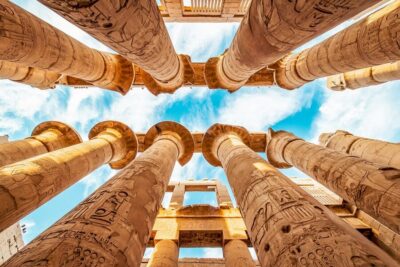
Luxor Valley of the Kings & Tutankhamun Tomb Trip
Read our review →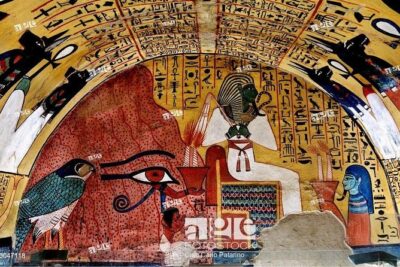
Luxor Day Tour: Valley of Kings & Queens & Hatchepsut Temples
Read our review →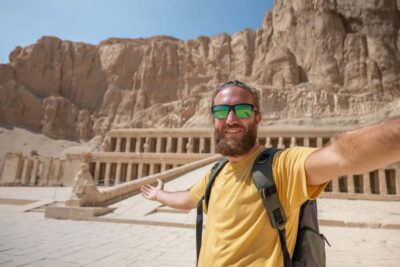
Valley of the Kings and Hatshepsut Temple Day Tour
Read our review →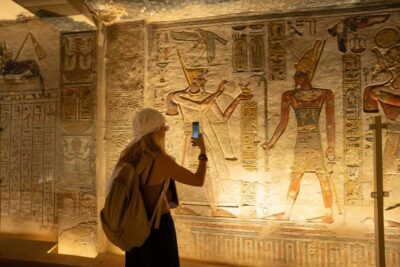
Luxor Tour with Valley of Kings, Karnak & Tut Tomb
Read our review →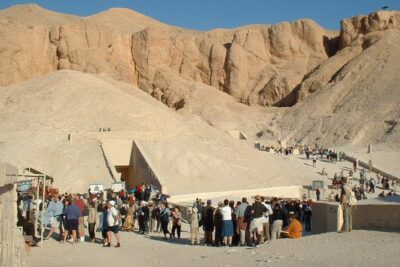
Valley of Kings, Hatchepsut Temple ,Karnak & Luxor-DayTour
Read our review →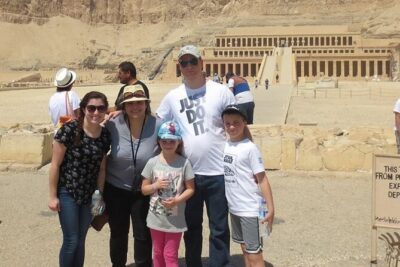
Small Group Excursion to Luxor Valley of the Kings from Hurghada
Read our review →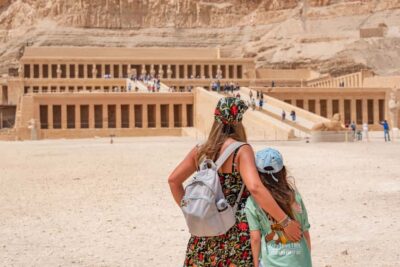
Valley of Kings Hatshepsut & Karnak Luxor Day Trip
Read our review →
Valley of the Kings and Queens Guided Tour with Lunch
Read our review →Browse the lists this tour appears in