
Reviewed · GIZA PYRAMIDS & SPHINX TOURS
Private full day tour to Giza Pyramids, Sphinx, Sakkara and Dahshour with guided
Ancient Egypt packs a lot into one day. This private tour links the famous Giza Pyramids and Sphinx with the older pyramid fields at Saqqara and Dahshur, giving you a useful sense of how Egyptian tomb building changed over centuries. You travel by private, air-conditioned vehicle with a guide trained in Egyptology, rather than trying to piece these widely scattered sites together on your own.
I especially like the personal guide service and the wide sweep of the day. You get time with Khufu, Khafre, the Sphinx, Djoser’s Step Pyramid, and Dahshur’s early experiments in pyramid design. The main drawback is that entrance fees are not clearly presented: the overview says they are covered, while the detailed inclusions say they are not. Confirm the exact ticket cost before paying.
The tour costs $55 per person and lasts about eight to nine hours. Past comments praise guides named Nasser and Bassam, with Nasser receiving repeated approval for patience, clear explanations, photo help, and calm support with children and infants. That personal attention can make a long day around Cairo’s busy archaeological sites much easier.
In This Review
- Five things to know before you book
- Why this private route works so well
- Giza begins with the pyramids people come to Egypt to see
- The Sphinx and Valley Temple add faces to the stone
- Entering Khufu’s pyramid is an optional decision
- Saqqara shows the first great step in pyramid design
- Mereruka’s tomb adds an everyday human view
- Dahshur explains how the smooth pyramid emerged
- The guide can make or break a long archaeological day
- Transport, lunch, and the real value of $55
- Who will enjoy this full-day plan most
- Should you book it?
- FAQ
- How long does the tour last?
- Is hotel pickup and drop-off included?
- Is this a private tour?
- Are entrance fees included?
- Is lunch included?
- What should I wear?
Five things to know before you book
- You see four major ancient sites in one day: Giza, the Sphinx, Saqqara, and Dahshur.
- The private format matters: your guide can adjust explanations, photo stops, and walking pace for your group.
- Dahshur adds the missing chapter: its Bent Pyramid and Red Pyramid area show how Egyptian builders refined pyramid construction.
- Saqqara is more than one pyramid: Djoser’s Step Pyramid and the Mastaba of Mereruka offer different views of royal and elite burial.
- Nasser is a frequently praised guide name: guide assignments can vary, but his patience and clear English are often singled out.
- Check what is included: the supplied details disagree about entrance fees and lunch, so ask for a final breakdown.
Why this private route works so well
Giza is the essential first stop in Cairo, but it is only one part of the pyramid story. A visit there shows the finished form of royal pyramid building. Saqqara and Dahshur help you see the experiments that came before it.
I like this route because it gives you both the headline sights and the quieter context. You begin with the monuments everyone recognizes, then move into sites where the scale can feel more open and the building process easier to understand.
The private vehicle is useful here. Giza, Saqqara, and Dahshur are not a compact walking circuit, and Cairo traffic can make independent travel tiring. Having a driver handle the route leaves you free to watch the city pass by and save your energy for the monuments.
The day is still demanding. The listed site times add up to nearly seven hours before traffic, pickup, lunch, and transfers. Wear shoes you can walk in, cover your head from the sun, and carry water even though a bottle and soft drinks are listed as included.
More ways to see the pyramids and the Sphinx:
- Cairo: Pyramids & Great Sphinx Private Tour with Camel Ride
★ 4.9 · 6,335 reviews - Tour to Giza Pyramids and The Egyptian Museum
★ 5.0 · 6,016 reviews - VIP All inclusive Best of the best Giza Pyramids,Sakkara,Memphis
★ 5.0 · 3,164 reviews
Giza begins with the pyramids people come to Egypt to see
The Giza portion covers the three main pyramids: Khufu, Khafre, and Menkaure, also listed here as Cheops, Chephren, and Mykerinos. The pyramid area admission is described as included in one part of the details, while the stop-by-stop notes say entrance tickets are not included. This is the first point to settle with the operator.
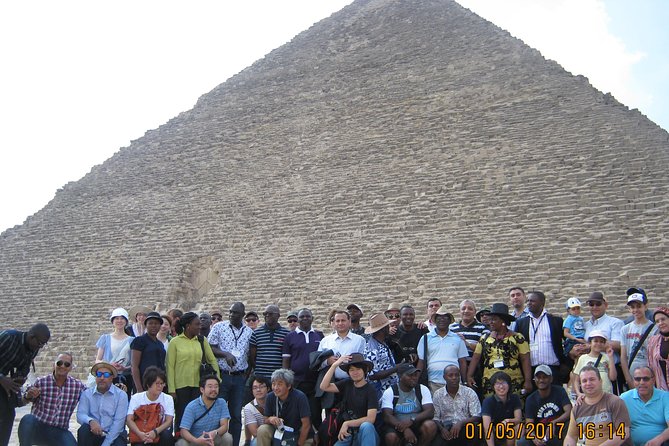
Your guide should help turn a huge stone monument into a readable site. Khufu’s Great Pyramid is the oldest and largest of the three, and the only surviving member of the Seven Wonders of the Ancient World. Its size is hard to grasp from a photograph, so expect much of the first visit to be about scale, angles, stonework, and the role of the pharaoh’s burial complex.
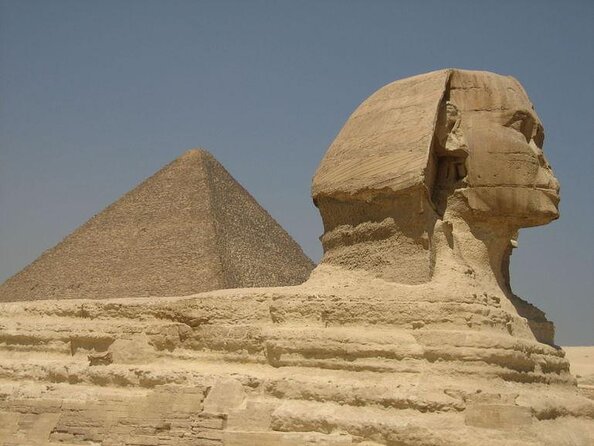
Khafre’s Pyramid is the second largest. It can appear taller from some viewpoints because it sits on higher ground, and its surviving cap of casing stones gives it a more finished look. Your Egyptologist guide can explain how Khafre’s monument relates to the surrounding complex and to the nearby Sphinx.
Menkaure’s Pyramid is smaller than its two neighbors, but it completes the picture of the royal cemetery. Seeing all three together helps you compare the ambitions and proportions of the Fourth Dynasty builders.
The itinerary allows about two and a half hours for the broader Giza and Sphinx visit, with separate one-hour entries for Khafre and Khufu. Treat those times as a rough guide rather than a promise of uninterrupted exploration. The actual pace can depend on heat, traffic inside the site, ticket lines, and how much time you want for photographs.
The Sphinx and Valley Temple add faces to the stone
The Great Sphinx is not simply a large statue placed beside the pyramids. It forms part of Khafre’s funerary complex, with the body of a lion and the head of a king. Your guide will explain its role as a guardian and connect it to the nearby Valley Temple.
The Valley Temple is especially useful because it gives you another type of ancient Egyptian structure to compare with the pyramids. It was linked to the preparation of Khafre’s body, including the work of priests before burial. The heavy stone blocks and enclosed layout feel different from the open pyramid field.
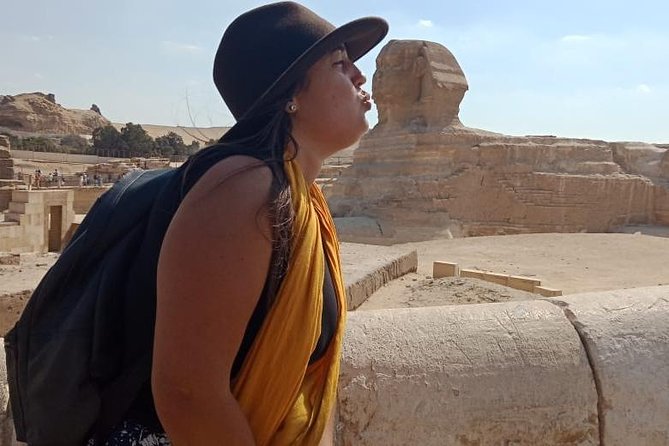
I would save time for the close view of the Sphinx rather than treating it as a quick photo stop. The famous angle is only part of the experience. Look at the scale of the head compared with the body, the carved features, and the way the monument sits beside the wider funerary complex.
The Giza site can be intense, with heat, open ground, and people offering photo assistance or other services. A private guide can help you understand where to go and keep the visit focused, but it is still sensible to agree on any extra purchases before the day begins.
Entering Khufu’s pyramid is an optional decision
The Great Pyramid’s original entrance lies on its north side, above ground level, leading into a narrow descending passage. The route inside is physically confined, and the interior experience is quite different from seeing the pyramid from outside.
An extra ticket may be needed for entry. One past account specifically mentions paying 360 Egyptian pounds to enter the Great Pyramid, but prices can change, so do not rely on that figure. Ask your guide or operator about the current price and whether the ticket is part of your booking.
I would only add the interior if you are comfortable with tight passages, climbing, and a warm enclosed space. If you prefer open-air archaeology, the exterior views and the wider Giza complex may be enough. The private format lets you discuss that choice rather than feeling pushed into it.
More Saqqara, Memphis and Dahshur days:
- From Cairo: Pyramids of Giza, Sphinx, Saqqara & Memphis Tour
★ 4.7 · 3,110 reviews - Cairo: Pyramids, Sakkara & Memphis Tour with Lunch
★ 4.6 · 2,493 reviews - Private Day Tour Giza Pyramids, Sphinx, Memphis, and Saqqara
★ 4.5 · 904 reviews - Private tour: GIza Pyramids, Memphis City & Sakkara Pyramid
★ 5.0 · 637 reviews
Saqqara shows the first great step in pyramid design
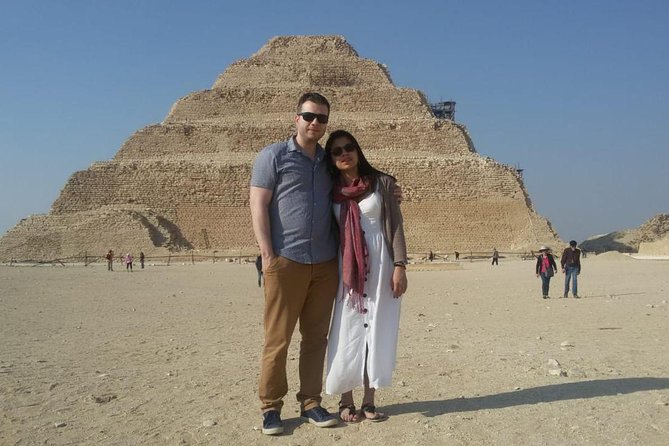
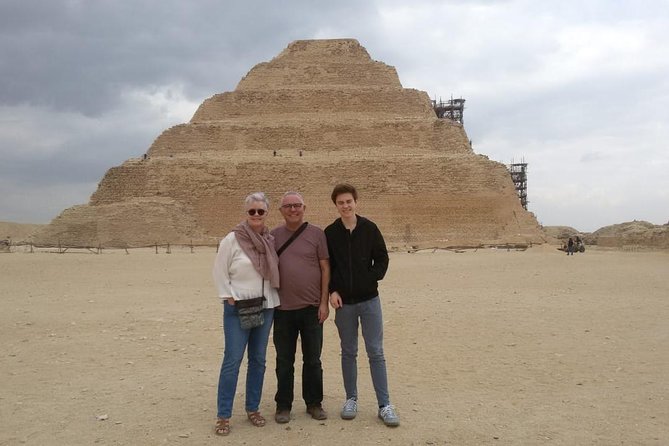
About 27 kilometers southwest of Cairo, Saqqara introduces a different period and a different style. The main draw is Djoser’s Step Pyramid, built in the Third Dynasty in the 27th century BC.
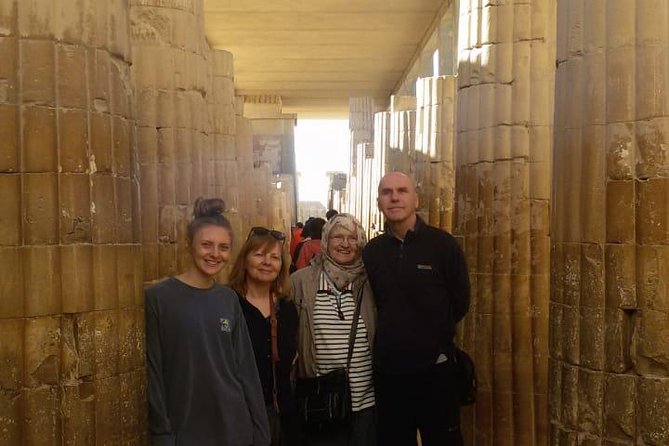
Djoser’s monument is a six-tiered, four-sided structure and the earliest colossal stone building in Egypt. Its importance is not just its age. It shows the shift from the earlier flat-topped mastaba form toward the stacked pyramid shape that later became smooth-sided.
That makes Saqqara valuable even if you have already seen Giza. At Giza, you see the mature expression of pyramid building. At Saqqara, you can follow an earlier stage in the process and understand that the great pyramids did not appear fully formed.
The schedule allows about an hour for Saqqara’s pyramid area and another 30 minutes at Djoser’s Step Pyramid. In practice, those stops overlap in subject, so the exact division may change. Ask your guide to point out the construction changes rather than rushing from one photo point to another.
Mereruka’s tomb adds an everyday human view
The Mastaba of Mereruka is a useful counterpoint to the royal monuments. Mereruka served as vizier to King Teti, and his tomb is described as the largest and most elaborate non-royal tomb at Saqqara, with 33 rooms or chambers.
A mastaba is not a pyramid. It is a large, flat-topped tomb structure, and its decoration can provide a more personal look at ancient Egyptian life, work, ritual, and status. Instead of focusing only on a king’s monument, you get a sense of the powerful officials who helped run the state.
The planned visit is brief, about 15 minutes. That is not much time for a large tomb complex, so tell your guide if the interior decoration interests you. If you are especially drawn to painted scenes and burial customs, this may be the place where you want to slow down, even if that means taking a little less time elsewhere.
Dahshur explains how the smooth pyramid emerged
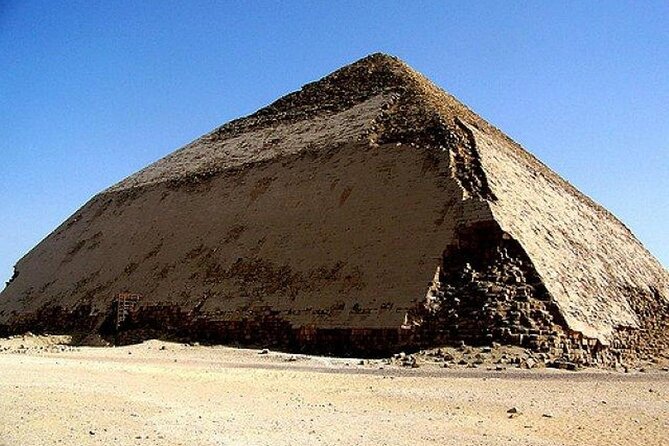
Dahshur is the final major stop and, for me, one of the most useful. The pyramids here record the trial-and-error stage between early stepped forms and the smooth-sided pyramids associated with Giza.
The site is linked to the transition from steep-sided pyramids to smooth-sided designs. That practical lesson gives the entire day a clear shape. You begin with early development at Saqqara, see refinement at Dahshur, and finish with the monumental achievement of Giza.
Dahshur can be less familiar than Giza, but that does not make it a minor stop. Its value is in the story it tells about engineering choices and changing design. Your guide can explain why the builders adjusted angles and methods as they worked toward more stable, polished pyramid forms.
The scheduled time is about one hour. Since the day already includes several major sites, you may not have time to explore every pyramid in detail. Still, Dahshur is worth keeping in the plan because it prevents the tour from becoming a simple checklist of famous names.
The guide can make or break a long archaeological day
The strongest feature of this experience is the private Egyptologist guide. The most frequently praised guide name in the supplied comments is Nasser, who is described as patient, friendly, clear in English, and willing to answer questions throughout the day.
He is also praised for taking photographs, helping families with young children, and explaining difficult points more than once. One family traveling with a three-month-old found that careful planning helped them see the sites without losing the whole day to baby needs. Another group with a six-month-old appreciated the roomy van and the guide’s practical help with a stroller.
Those details matter because pyramid visits involve more than facts. You need someone who can show you where to stand, explain what is worth entering, manage the order of stops, and give you a pause when the heat catches up with you.
Guide assignments can change. Bassam, Hassan, Aslaam, and other guides and drivers are also named in the supplied comments. Bassam is praised for professionalism and warmth, while drivers including Mohammad, Atif, Yessir, Shreef, and Islam receive credit for safe, capable driving and handling Cairo traffic.
A good private guide should welcome questions rather than deliver one long speech. Before leaving your hotel, tell the guide what matters most to you: pyramid interiors, architecture, tomb decoration, photography, or a slower pace.
Transport, lunch, and the real value of $55
At $55 per person, the tour offers strong value if the advertised package matches what you receive. Private pickup and drop-off, an air-conditioned vehicle, an Egyptology guide, water, soft drinks, fuel, and parking are listed as included.
The overview also says lunch and entrance fees are included. Yet the detailed inclusion list leaves out lunch, and the stop descriptions repeatedly say admission is not included. That is not a small detail. Tickets for several archaeological sites can change the final cost considerably.
Ask these questions before booking:
- Are all Giza, Saqqara, Dahshur, and tomb entrance tickets covered?
- Is entry inside Khufu’s pyramid included, or is it an optional extra?
- Is lunch included, and are drinks covered beyond the listed water and soft drinks?
- Is the $55 price per person fixed for your group size?
The private vehicle adds real value if you are traveling with family, carrying a stroller, or want to avoid arranging several separate rides. You also avoid the wasted time and uncertainty of negotiating transport between sites.
The value is less clear if the low price excludes most entrance fees. You can still have a worthwhile day, but the final bill may be higher than the headline rate. Get the answer in writing if possible.
Who will enjoy this full-day plan most
I would recommend this tour to first-time Cairo visitors who want the major pyramid sites explained in one organized day. It suits people with a strong interest in ancient Egypt, especially those who want to understand how pyramid design developed instead of seeing only the most famous monuments.
Families may also benefit from the private setup. The supplied comments describe successful outings with babies and strollers, along with guides who adjusted the pace and helped with photographs. Children must be accompanied by an adult, and the long day may still be tiring for very young children.
The tour is less suitable if you want a slow, museum-style day focused on one site. Seven listed stops across three archaeological areas require movement and time discipline. You will see a lot, but you will not study every chamber or monument at length.
Most visitors can take part, but plan for walking on uneven ground, strong sun, and long periods outdoors. Comfortable clothing, sturdy shoes, and a hat are specifically recommended. The vehicle is periodically sterilized, hand sanitizer is available, and the supplied safety instructions ask each customer to wear a mask during the tour.
Free cancellation is available if you cancel at least 24 hours before the local start time. Changes or cancellations made later are not accepted for a refund.
Should you book it?
Book this tour if you want maximum pyramid coverage in one private day and value having an Egyptologist explain the connections between Saqqara, Dahshur, and Giza. The guides named in the supplied comments receive especially strong praise for patience, friendliness, photo help, and family support.
I would not book until the entrance-fee and lunch details are clear. Once those costs are confirmed, $55 per person can be an excellent deal for private transport, hotel pickup, a guide, and a full circuit of Egypt’s most important pyramid sites.
For a first visit, this is a practical route with real historical logic. It gives you the famous view, the early experiment, the engineering lesson, and the final masterpiece, all before you return to Cairo.
FAQ
How long does the tour last?
The experience lasts approximately eight to nine hours, including visits to Giza, the Sphinx, Saqqara, and Dahshur.
Is hotel pickup and drop-off included?
Yes. Private pickup and drop-off are listed as free of charge.
Is this a private tour?
Yes. Only your group participates in the activity.
Are entrance fees included?
The supplied details are inconsistent. The overview says entrance fees are included, while the detailed inclusions and stop descriptions say they are not. Confirm this with Egypt Direct Tours before booking.
Is lunch included?
Lunch is mentioned in the tour overview, but it is not included in the detailed list of inclusions. Ask the operator to confirm.
What should I wear?
Wear comfortable clothes and walking shoes, and bring a hat for protection from the sun.
More Full-Day in Cairo
- From Cairo: Private Full-Day Tour of Historical Alexandria
★ 4.1 · 1,155 reviews - Old Cairo: Full-Day Islamic and Coptic Cairo Tour with Lunch
★ 4.6 · 688 reviews - Private Full-Day Tour to Giza Pyramids,Sphinx,Memphis, and Saqqara
★ 5.0 · 626 reviews - Full-Day Luxor private Tour from Cairo by Plane with Lunch
★ 5.0 · 446 reviews
Just added around Cairo
- Day Tour To Giza Pyramids, Great Sphinx, Saqqara Pyramids & Memphis Capital★ 5.0 · 23 reviews
- GEM Grand Egyptian Museum Private Tour from Cairo Giza hotels★ 5.0 · 23 reviews
- Cairo vip two or one day pyramids ,Museum,memfis ,saqra and7 places★ 5.0 · 23 reviews
- Giza Pyramids, Sphinx, Saqqara, and Dahshur Tour with Camel Ride★ 5.0 · 23 reviews
- Full-Day Tour to Giza Pyramids Saqqara Memphis Sphinx Private★ 5.0 · 23 reviews
- 8 Day Cairo Pyramids and Nile cruise and Alexandria All inclusive Private Tour★ 5.0 · 23 reviews
- Full-Day Tour to Giza Pyramids, memphis and Sakkara Step Pyramid★ 5.0 · 23 reviews
- Half Day Guided Trip To Egyptian Museum★ 4.5 · 23 reviews
Giza Pyramids & Sphinx Tours, compared.
Pyramids & Great Sphinx Private Tour with Camel Ride
Read our review →
Tour to Giza Pyramids and The Egyptian Museum
Read our review →
VIP All inclusive Best of the best Giza Pyramids,Sakkara,Memphis
Read our review →
Pyramids of Giza, Sphinx, Saqqara & Memphis Tour
Read our review →
Cairo 8 Hour Private Tour of Pyramids, Egyptian Museum and Bazaar
Read our review →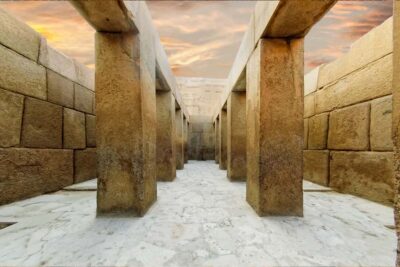
Half-Day Tour to Pyramids of Giza and the Sphinx
Read our review →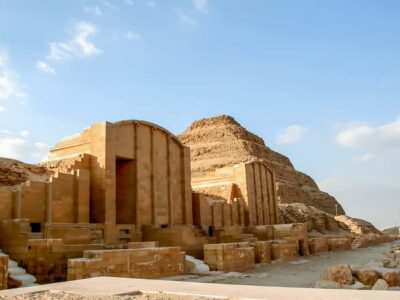
Browse the lists this tour appears in