
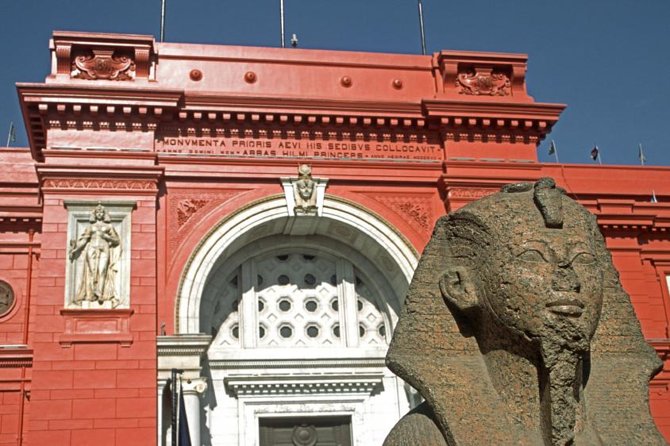
Reviewed · EGYPTIAN MUSEUM TOURS
Private Tour: Egyptian Museum
Gold, silence, and a boy king await. This private Egyptian Museum tour gives you a one-on-one Egyptologist guide, hotel pickup, and a clear path through one of Cairo’s most crowded collections. I like the ability to shape the visit around your interests, and I like having an air-conditioned minivan for the trip through Cairo. The main concern is time: the museum visit may feel short for a collection this large.
Tutankhamun’s gold mask, coffins, chariot, royal mummies, and thousands of everyday objects make this a serious history stop, not a quick photo call. Guides such as Fouad, Tariq, Mohammed, Ahmed, and Amged have been praised for making the displays easier to understand, though service can vary, and some guides have hurried groups through in less than the promised three hours.
In This Review
- Key points to know before booking
- Why a private guide helps inside Cairo’s old museum
- The 9 a.m. pickup and Cairo drive
- Tutankhamun’s gold mask and royal burial treasures
- Sarcophagi, mummies, and ordinary Egyptian life
- The Royal Mummies Room costs extra
- Free time is valuable, but protect it
- The optional Papyrus Institute stop
- Is the $99.18 price good value?
- How the guide can make or break the visit
- Who should book this Cairo museum tour?
- Cancellation and practical details
- Should you book it?
- FAQ
- What is included in the private Egyptian Museum tour?
- How long does the tour last?
- Is the Royal Mummies Room included?
- Is hotel pickup available?
- Are other guide languages available?
- Can I cancel for a refund?
Key points to know before booking
- Tutankhamun is the main event: See the famous gold death mask, coffins, chariot, and funerary treasures.
- A private guide makes a real difference: The collection contains more than 165,000 artifacts, and many labels are small or limited.
- The Royal Mummies Room costs extra: You may see rulers such as Ramses II, but this room is not included in the basic admission.
- Hotel pickup and drop-off are included: Transport is by private, air-conditioned minivan, with extra charges for some outlying districts.
- Plan for about three hours: The museum portion is listed at roughly two hours, with some additional time for transport and free browsing.
- English is included in the price: Other guide languages carry a supplement of 1,000 Egyptian pounds.
Why a private guide helps inside Cairo’s old museum
The Museum of Egyptian Antiquities can feel like several museums placed under one roof. Its displays cover the prehistoric period through the Roman era, with royal statues beside jewelry, tomb furnishings, household objects, coffins, mummies, and painted funerary scenes.
I like this tour because you are not left to guess where to begin. Your guide can point out the main works, explain who made them, and show how an object fitted into Egyptian religious or royal life. That context matters here. A small piece of jewelry can look ordinary until you learn who wore it, where it was found, and why it was placed in a tomb.
The private format is especially useful for first-time visitors. You can ask questions without holding up a larger group, and you can tell the guide if you want more time with statues, mummies, Roman material, or Tutankhamun’s collection. If you already know the basics, ask for less background and more detail on the objects that interest you.
The museum’s signs do not always tell the full story. Some are small, brief, or hard to read when other people are gathered around them. A guide gives you a spoken explanation and helps you spend your limited time on objects worth seeing.
More Museums in Cairo
- Tour to Giza Pyramids and The Egyptian Museum
★ 5.0 · 6,016 reviews - Cairo 8 Hour Private Tour of Pyramids, Egyptian Museum and Bazaar
★ 5.0 · 2,931 reviews - Cairo: Grand Egyptian Museum, Pyramids, Sphinx Tour & Lunch
★ 4.7 · 2,282 reviews
The 9 a.m. pickup and Cairo drive
The tour begins at 9 a.m. with pickup from your hotel. You travel to the museum in a private, air-conditioned minivan, with hotel drop-off at the end of the visit.
That sounds simple, but Cairo traffic can affect the morning. One guide was delayed getting to the museum because of traffic, and the drive itself can take longer than expected. The private vehicle is still useful, since you do not need to arrange a taxi, negotiate a fare, or work out the return trip after several hours on your feet.
The guide is expected to introduce the museum during the drive and discuss the plan before arrival. Use that time well. Tell the guide what you most want to see, how much walking you are comfortable with, and if you prefer a slower visit. This is one of the main benefits of paying for a private tour.
Pickup supplements apply to some areas. Transfers to and from 6th of October, the North Coast area listed as N.A. Capital, and the Settlement region cost an additional 1,000 Egyptian pounds per car round trip. Check your hotel location before booking so the advertised price does not surprise you later.
Tutankhamun’s gold mask and royal burial treasures
The Tutankhamun collection is the museum’s headline attraction. You will see the boy king’s famous solid gold death mask, gilded coffins, chariot, and other objects placed with him for the afterlife.
The mask is powerful even if you have seen it in photographs. A guide can explain the symbols, the materials, and the role of the mask in the burial ritual. The coffins and funerary goods help you understand that the tomb was not simply decorated for display. These objects were part of a carefully planned royal burial.
The chariot is another important stop. It gives you a sense of royal ceremony and travel, rather than presenting Tutankhamun only as a young ruler behind glass. Ask your guide to connect the objects, since the collection makes more sense as a group than as a series of separate treasures.
Some visitors have found the Tutankhamun room relatively quiet, which can make this portion more pleasant. Conditions change, of course, but arriving at the scheduled morning start gives you a sensible chance to see the main displays before spending your free time elsewhere in the building.
The biggest problem is pace. A few guides have rushed through the museum and ended the inside portion after about an hour and a half. Others have allowed a half-day feel, with time to look around alone. Since the listed museum visit is about two hours within an approximately three-hour tour, speak up if you want to pause. A private tour should not feel like a race.
Sarcophagi, mummies, and ordinary Egyptian life
Tutankhamun is only one part of the museum. Your guide can take you to royal sarcophagi, mummies, jewelry, tomb goods, and objects used in daily life.
This broader selection is where a good Egyptologist earns the fee. Monumental pieces attract the eye, but ordinary objects can explain ancient life more clearly. Household items, furnishings, tools, and personal possessions show that ancient Egypt was not made only of pharaohs and temples.
You can also see material from the Roman period, including funerary paintings. These displays remind you that Egypt continued to change long after the great pyramid builders and New Kingdom rulers. The combination of Egyptian and Roman material gives the visit a wider time frame than a single royal collection.
I would ask the guide to create a simple route. Without one, you may spend too long in the first large gallery and have little time for other rooms. Ask for the museum’s essential pieces first, then use your independent time for anything you missed.
The quality of the explanation matters more than speed. Guides Mohammed, Tariq, Fouad, Ahmed, and Amged have been praised for clear explanations, patience, humor, and personal attention. One guide, Amged, was also praised for planning carefully around a wheelchair user. That suggests the private setup can work well for visitors who need a more flexible pace, though you should still discuss specific needs before the day.
More Egyptian Museum visits:
- Private tour to Giza Pyramids,Sphinx,Egyptian Museum with Local Lunch
★ 5.0 · 1,530 reviews - Best Private Giza Pyramids,Sphinx, New Grand Egyptian Museum
★ 4.5 · 1,056 reviews - Cairo: Egyptian Museum, Citadel, and Old Cairo Guided Tour
★ 4.7 · 853 reviews - Cairo: Egyptian Museum of Antiquities online QR Ticket
★ 4.5 · 558 reviews
The Royal Mummies Room costs extra
The Royal Mummies Room is an optional addition and requires a separate payment. Inside the climate-controlled room, you can see the preserved remains of Egyptian rulers, including Ramses II.
For many people, this is the museum’s most striking experience. The mummies bring the names from the history books into physical form. Ramses II, associated with major building projects including Abu Simbel and Karnak, is not just a carved face on a wall here.
The room can also be emotionally intense. You are looking at human remains, not merely objects, so take your time and follow the museum’s rules. If this is a priority, tell your guide at the beginning. The extra admission and limited tour time mean that you may need to shorten another section.
The basic tour already includes the museum admission, but the Royal Mummies Room is separate. Confirm the current supplement when arranging your visit.
Free time is valuable, but protect it
After the guided highlights, you are supposed to have time to explore on your own. This is an important part of the experience. The guide gives you the broad outline, then you can return to the objects that caught your attention.
I prefer this arrangement to a nonstop lecture. You might want another look at the mask, a quieter examination of a sarcophagus, or a wander through the Roman displays. Free time lets you set your own rhythm.
The catch is that free time depends on how long the guided portion takes. If your guide moves quickly, you may finish early but lose the chance to see important rooms. If the guide gives a fuller explanation, the visit can use most of the available morning.
At the start, agree on a rough schedule. Ask how much time will be spent with the guide and how much will be yours. If you want to remain longer, ask whether that is possible before the driver waits outside. The published duration is approximately three hours, so do not assume this is an all-day museum visit.
The optional Papyrus Institute stop
After the museum, the itinerary may include a visit to a Papyrus Institute. The purpose is to explain papyrus as an ancient writing material and art form.
This can be an interesting extra if you want to understand how scenes are painted onto papyrus canvases. It may also appeal to you if you are looking for a Cairo souvenir. Any papyrus purchase is at your own expense, so treat this as an optional shopping stop rather than part of the museum admission.
If your priority is more time with ancient artifacts, ask how the stop affects the schedule. The tour already has a tight museum window, and the papyrus visit is not the reason to book this experience. It is best viewed as a possible add-on after the main attraction.
Lunch is also available only if you select the appropriate option. It is not part of the standard package.
Is the $99.18 price good value?
At $99.18 per person, this is not the cheapest way to enter the museum. You are paying for more than admission: private hotel transfers, a private guide, air-conditioned transport, and the ability to adjust the visit for your group.
For two or more people, the price becomes easier to justify because the guide and vehicle serve only your party. The value is strongest if you are new to Egyptian history, short on time, or uneasy about navigating central Cairo alone. The guide can also save you from spending half the visit wandering between galleries.
The value is weaker if you want to study every room at length. Three hours is simply not enough for a full examination of more than 165,000 objects. If the museum is your main reason for visiting Cairo, you may prefer to arrange a longer private visit or return independently.
Also budget for possible extras. The Royal Mummies Room costs more. Lunch is optional. Non-English guide languages add 1,000 Egyptian pounds, and some hotel districts require a 1,000-pound round-trip transfer supplement per car.
How the guide can make or break the visit
The clearest pattern in this experience is the difference a guide makes. Strong guides have been described as fluent in English, patient, funny, professional, and able to make a confusing collection understandable. Fouad was praised for explaining the displays without making the visit feel overwhelming, while Mohammed was appreciated for an engaging style.
There is also a clear warning: not every guide handles the time well. Some visitors were hurried through the building and spent less than two hours inside. That does not mean the tour is automatically poor, but it means you should take an active role.
Before entering, say what matters to you. Ask for the Tutankhamun collection, mummies, Roman material, or everyday objects by name. If you need more time, say so plainly. A private tour gives you the right setting to do this.
Some museum areas may not allow guides to accompany you. In that case, a good guide can brief you before you enter and meet you afterward. This is another reason to ask for a plan rather than expecting constant narration.
Who should book this Cairo museum tour?
I would recommend it to first-time Cairo visitors, couples, families, and small groups who want an organized introduction without joining strangers. It is also a good choice if hotel pickup matters or if you want a private vehicle in a city where traffic can make independent planning tiring.
History fans should book only if they can accept the short duration or confirm that more time is possible. The museum has too much material for a quick checklist. Ask for a focused route, then use the remaining time wisely.
Visitors who need a flexible pace may benefit from the private format. One well-planned tour accommodated a wheelchair user carefully, but you should still give the operator clear information about mobility needs before pickup.
This is less suited to anyone wanting a leisurely, all-day museum study. It is also not ideal if you dislike optional shopping stops or extra-cost attractions. You can usually ask to skip the Papyrus Institute and focus on the museum, but make that preference clear.
Cancellation and practical details
Confirmation is received at booking, and most people can participate. The tour begins at 9 a.m., uses a mobile ticket, and offers group discounts.
You can cancel for a full refund up to 24 hours before the local start time. Cancellations or changes made inside that 24-hour window are not refunded or accepted.
Should you book it?
Book this tour if you want the Egyptian Museum explained by a private Egyptologist rather than left to a maze of galleries and small labels. The combination of hotel pickup, private transport, Tutankhamun’s treasures, and flexible guiding is useful, especially on a first Cairo visit.
I would book it with one condition: set expectations about time before you enter. Ask for the essential rooms, request a measured pace, and confirm the cost of the Royal Mummies Room and any hotel transfer supplement. If your guide delivers the thoughtful service provided by Fouad, Tariq, Mohammed, Ahmed, or Amged, the $99.18 price can be fair. If you want to see everything, choose a longer museum plan instead.
FAQ
What is included in the private Egyptian Museum tour?
The tour includes a private qualified Egyptologist guide, private transportation in an air-conditioned minivan, hotel pickup and drop-off, museum admission, and English-language guiding. Lunch is included only when that option is selected.
How long does the tour last?
The experience lasts approximately three hours. The museum portion is listed at about two hours, followed by free time and possible additional stops.
Is the Royal Mummies Room included?
No. The Royal Mummies Room requires an additional payment. It contains the mummies of Egyptian rulers, including Ramses II.
Is hotel pickup available?
Yes. Hotel pickup and drop-off are offered. A 1,000 Egyptian pound round-trip per-car supplement applies to transfers to and from 6th of October, N.A. Capital, and Settlement areas.
Are other guide languages available?
English guiding is included in the listed price. A supplement of 1,000 Egyptian pounds applies to languages other than English.
Can I cancel for a refund?
Yes. You can cancel at least 24 hours before the local start time for a full refund. Cancellations or changes made less than 24 hours before the start are not accepted.
Just added around Cairo
- Day Tour To Giza Pyramids, Great Sphinx, Saqqara Pyramids & Memphis Capital★ 5.0 · 23 reviews
- GEM Grand Egyptian Museum Private Tour from Cairo Giza hotels★ 5.0 · 23 reviews
- Cairo vip two or one day pyramids ,Museum,memfis ,saqra and7 places★ 5.0 · 23 reviews
- Giza Pyramids, Sphinx, Saqqara, and Dahshur Tour with Camel Ride★ 5.0 · 23 reviews
- Full-Day Tour to Giza Pyramids Saqqara Memphis Sphinx Private★ 5.0 · 23 reviews
- 8 Day Cairo Pyramids and Nile cruise and Alexandria All inclusive Private Tour★ 5.0 · 23 reviews
- Full-Day Tour to Giza Pyramids, memphis and Sakkara Step Pyramid★ 5.0 · 23 reviews
- Half Day Guided Trip To Egyptian Museum★ 4.5 · 23 reviews
Egyptian Museum Tours, compared.

Tour to Giza Pyramids and The Egyptian Museum
Read our review →
Cairo 8 Hour Private Tour of Pyramids, Egyptian Museum and Bazaar
Read our review →
Cairo Pyramids, Sphinx & Egyptian Museum Day Trip
Read our review →
Best Private Giza Pyramids,Sphinx, New Grand Egyptian Museum
Read our review →
Egyptian Museum, Citadel, and Old Cairo Guided Tour
Read our review →
Grand Egyptian Museum, Pyramids & Sphinx Day Tour
Read our review →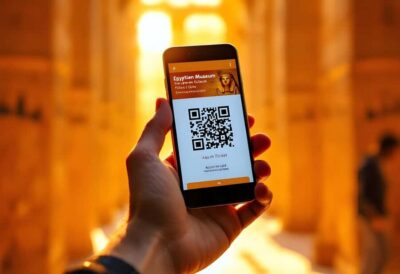
Egyptian Museum of Antiquities online QR Ticket
Read our review →
private Giza Pyramids,Sphinx and the New Grand Egyptian Museum
Read our review →Browse the lists this tour appears in