
Reviewed · GIZA PYRAMIDS & SPHINX TOURS
Pyramids tour to Giza, Sakkara and Dahshur
Three pyramid sites, one very long day. This experience gives you a stronger view of Egyptian pyramid building than a Giza-only outing, moving from Djoser’s first stepped design at Saqqara to Snefru’s experimental pyramids at Dahshur and finally the famous monuments at Giza. I especially like the private format, which lets your group set the pace, and the chance to visit Dahshur, a quieter site that many Cairo day trips skip.
The main drawback is the schedule. At 16 to 18 hours, this is an exhausting day, especially if you are starting in Hurghada. The meeting information also needs checking: the tour is marketed from Hurghada, but the detailed plan says pickup from a Cairo hotel at about 9 a.m., while the listed start time is 8 a.m.
In This Review
- Key points before you book
- Why this three-site route works
- Saqqara and Djoser’s Step Pyramid
- Dahshur and Snefru’s difficult experiment
- Giza, where the scale finally hits you
- A private vehicle can make a long day easier
- Lunch, water and what you still pay for
- What the guide can add to the stones
- Families, older visitors and the very long return
- Should you book this pyramid tour?
- FAQ
- Where does the tour start?
- What time does the tour start?
- How long does the experience last?
- Is this a private tour?
- Which pyramid sites are included?
- Are entrance fees and lunch included?
- Can I cancel for a full refund?
Key points before you book
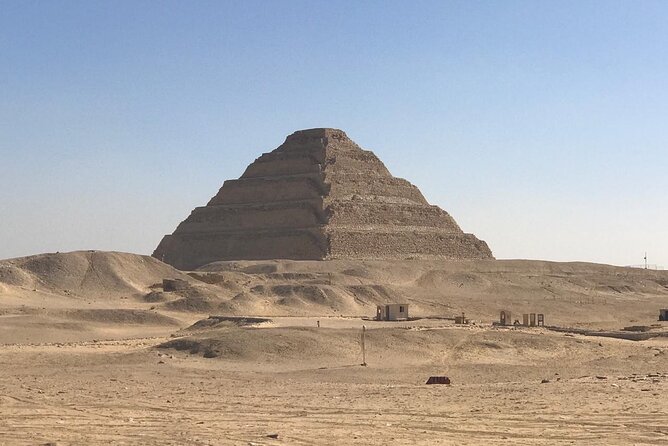
- Saqqara comes first: See Djoser’s Step Pyramid, created by Imhotep around 2650 BC, and learn how pyramid design began.
- Dahshur adds the most unusual stop: The Bent Pyramid shows an important stage in King Snefru’s attempt to build a true smooth-sided pyramid.
- Giza is the grand finale: Visit the pyramids of Khufu, Khafre and Menkaure, the best-known ancient monuments in Egypt.
- Private touring matters: Only your group takes part, so you can ask questions and adjust the pace more easily than on a large coach tour.
- The day is physically and mentally demanding: Each main stop is planned for about two hours, followed by a meal and long road transfers.
- The price includes the basics: At $232.63 per person, you receive lunch, bottled water, entrance fees and the private tour service, but personal spending is extra.
Why this three-site route works
Most first visits to Cairo focus almost entirely on Giza. That makes sense, since Khufu’s Great Pyramid is one of the ancient world’s Seven Wonders. Yet Giza makes more sense when you have first seen the earlier experiments at Saqqara and Dahshur.
This route follows the development of pyramid building in a useful order. At Saqqara, you see the step form. At Dahshur, you see the problems involved in creating a smooth-sided pyramid. At Giza, you reach the mature version of the idea.
I like that progression because the monuments become more than giant stone shapes. You get a basic lesson in design, engineering and royal burial customs without spending the entire day at one crowded site.
The tour also promises discussion of construction methods, the position of the pyramids in relation to astronomy, and some of the mysteries attached to the monuments. The quality of that part depends heavily on your guide, but the format gives you plenty of time to ask for more detail.
More ways to see the pyramids and the Sphinx:
- From Hurghada: Cairo and Giza Highlights Full-Day Tour
★ 4.5 · 6,014 reviews - Hurghada: Cairo Pyramids, Sphinx & Egyptian Museum Day Trip
★ 4.7 · 2,271 reviews - Discover Cairo: Pyramids, Museum & Sphinx Tour from Hurghada
★ 4.9 · 707 reviews
Saqqara and Djoser’s Step Pyramid
Saqqara is the opening chapter. Here you see the Step Pyramid of Djoser, built for King Djoser by the architect Imhotep around 2650 BC. It is described as the oldest stone structure in human history, and it represents the first major attempt to turn a tomb into a pyramid-shaped monument.
The building rises about 62.5 metres. Instead of smooth sides, it has a series of rising levels, like a stairway reaching toward the sky. That stepped shape is the key point to understand. It was not simply a decorative choice. It marked an early stage in the move from traditional flat-roofed burial structures toward the later true pyramid.
You should pay attention to the unusual plan as well. The tour information describes Djoser’s pyramid as the only pyramid without a square floor plan. That makes Saqqara especially useful for anyone interested in how ancient builders tested new forms.
You have about two hours here, including the entrance ticket. That is enough time for an explanation and a proper look, but not enough for every monument in the large Saqqara area. If your guide offers choices, ask how the time will be divided before setting off from the vehicle.
This stop is best for you if you enjoy seeing the beginning of a process rather than jumping straight to the most famous result. It may feel less instantly familiar than Giza, but it gives the whole day its structure.
Dahshur and Snefru’s difficult experiment
Dahshur is the most distinctive stop on the route. The main feature described here is the Bent Pyramid, built during the reign of King Snefru. Its lower section rises at one angle, then changes to a gentler angle higher up. The result looks as if the pyramid bends toward the sky.
That change is not just a visual oddity. It reflects a practical problem in pyramid construction. Snefru’s builders were trying to create a true pyramid with smooth sides, but the steep lower angle appears to have raised concerns about stability. The altered upper section produced a safer, shallower form.
The tour frames Dahshur as the second attempt to build a true pyramid. Snefru then commissioned another major project nearby, the Red Pyramid, generally regarded as the first successful true smooth-sided pyramid. One of the strongest experiences connected with this route is the chance to see how those attempts fit together.
Dahshur was in a military restricted area for many years and only opened to the public in the mid-1990s. That history helps explain why it feels less familiar than Giza. You get a different sort of visit here, focused more on the buildings and their setting than on the constant fame surrounding the Great Pyramid.
The planned visit lasts about two hours and includes admission. The supplied details specifically name the Bent Pyramid, while some past tour experiences connected with this operator also included the Red Pyramid from inside. Do not assume interior entry is part of this exact booking unless the provider confirms it.
That is an important practical point. Pyramid interiors can involve narrow passages, steep sections and uncomfortable conditions, but no interior access details are promised here. Ask before you pay if entering a pyramid is important to you.
Giza, where the scale finally hits you
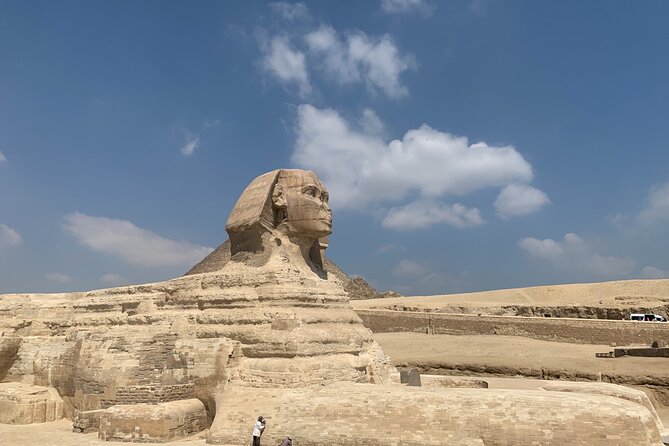
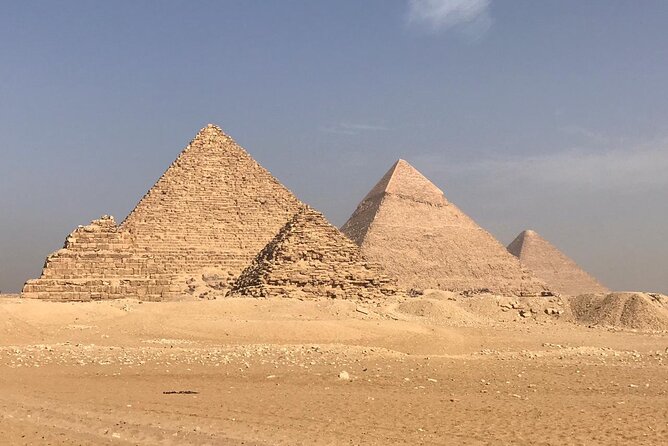
Giza is saved for last, and that is a good choice. After Saqqara’s stepped design and Dahshur’s bent profile, the pyramids of Khufu, Khafre and Menkaure show the idea at its most famous and monumental.
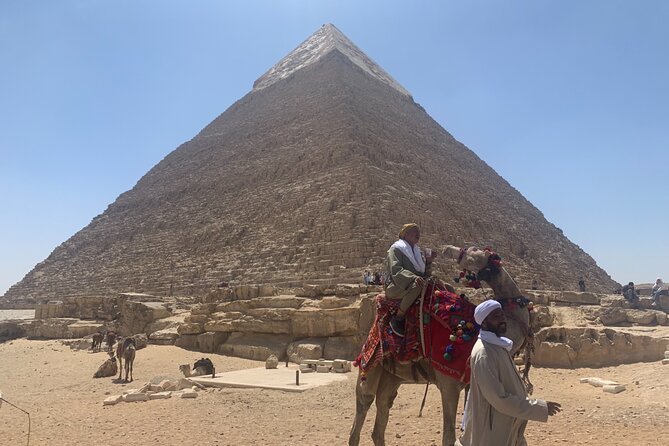
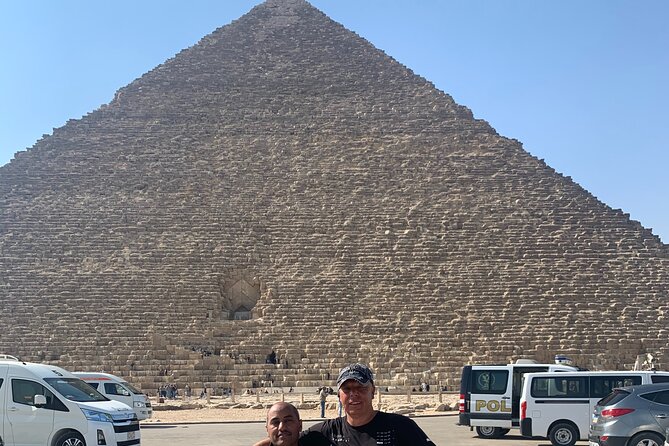
Khufu’s Great Pyramid is the largest and best known. Khafre’s pyramid often appears taller because it sits on higher ground and retains some casing near its top. Menkaure is much smaller, but it completes the main group and helps you compare the different royal monuments.
The site is over 4,500 years old. Those numbers can become abstract until you stand near the stone blocks and compare their scale with the people around you. You should allow your guide to explain the visible differences between the three pyramids, rather than treating the stop as one large photo opportunity.
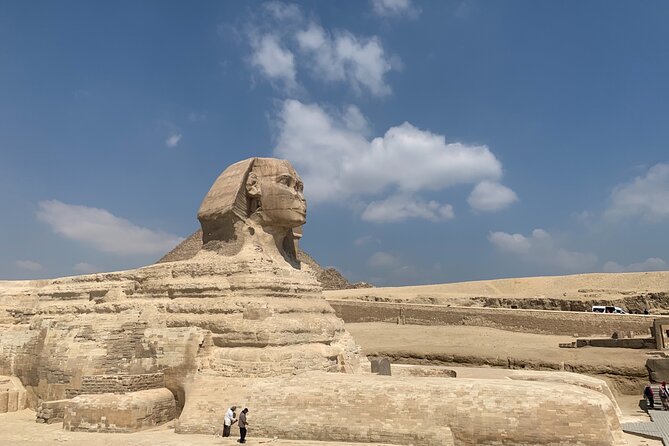
The planned visit is about two hours. That will give you a useful introduction, but Giza covers a wide area and the exact experience depends on where the vehicle stops and which viewpoints your guide chooses. The supplied plan names the three main pyramids, but it does not clearly promise a visit to the Sphinx. Some related private trips with the same company included it, so ask if the Sphinx matters to you.
Giza is also the place where you are most likely to feel the pressure of a packed day. After two earlier pyramid sites, the final stop can feel physically heavy. I would save enough energy for this part, drink the supplied water regularly and avoid treating the first two stops as a race.
More Saqqara, Memphis and Dahshur days:
- VIP All inclusive Best of the best Giza Pyramids,Sakkara,Memphis
★ 5.0 · 3,164 reviews - From Cairo: Pyramids of Giza, Sphinx, Saqqara & Memphis Tour
★ 4.7 · 3,110 reviews - Cairo: Pyramids, Sakkara & Memphis Tour with Lunch
★ 4.6 · 2,493 reviews - Private Day Tour Giza Pyramids, Sphinx, Memphis, and Saqqara
★ 4.5 · 904 reviews
A private vehicle can make a long day easier
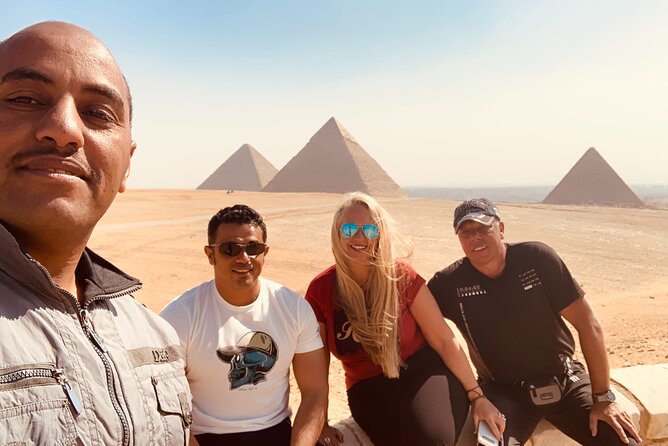
The experience is described as private, with only your group taking part. That is one of its strongest advantages. You are not trying to keep up with a large coach group or waiting for dozens of people to finish every photograph.
A private setup is especially useful for families. One praised family outing included three children, and the guide was described as patient and accommodating with both adults and children. Another private pyramid day involved several families and eight children between ages five and eleven. Those examples suggest that the format can work well for mixed-age groups, provided everyone accepts the long hours.
The transport feedback linked with the company also frequently highlights punctual pickup, clean minibuses, comfortable cars and careful driving. Drivers named in positive trip accounts include Khalid, Akram, Ali, Atef and Rafat. Guide names that appear in strong accounts include Markus, Aladin and Rafik. Your assigned team may be different, so treat these names as examples rather than a promise.
The two-driver arrangement mentioned in one family account is useful on a long road day, but it is not clearly guaranteed for every departure. The important point is to confirm the vehicle and pickup plan in advance.
There is one major question to settle before booking: where does the day actually begin? The main details identify Hurghada as the location, but the detailed schedule says pickup from a Cairo hotel around 9 a.m. and gives an 8 a.m. start time. Those details do not line up neatly.
If you are staying in Hurghada, ask the operator to confirm:
- Your exact pickup town and hotel
- The actual departure time
- Whether the long-distance transfer is included
- The expected return time
- Whether the service is private for your group from Hurghada onward
Do not leave this until the morning of departure. A 16 to 18-hour day is manageable only when the transport plan is clear.
Lunch, water and what you still pay for
Lunch, bottled water, entrance fees and taxes are included. That gives the price a useful measure: you are not paying only for a car and a guide, then adding every major ticket at the gate.
At $232.63 per person, the value depends on your group size and starting point. For a private experience covering three major archaeological sites, a guide, transport and meals, the package can make sense for people who value convenience and personal attention. It is less attractive if you only want a quick photograph at Giza or if you are comparing it with a large shared coach trip.
Personal expenses are not included. That is a broad category, so keep money available for anything outside the package. The details do not specify the lunch restaurant, menu or dietary arrangements. If you have food restrictions, ask the operator before departure rather than assuming the included meal will suit you.
The included water is welcome, but I would still think about the demands of the day. You are visiting open archaeological sites and spending many hours in a vehicle. Comfortable shoes, sun protection and a small day bag will make the experience easier, even though these items are not listed as tour inclusions.
What the guide can add to the stones
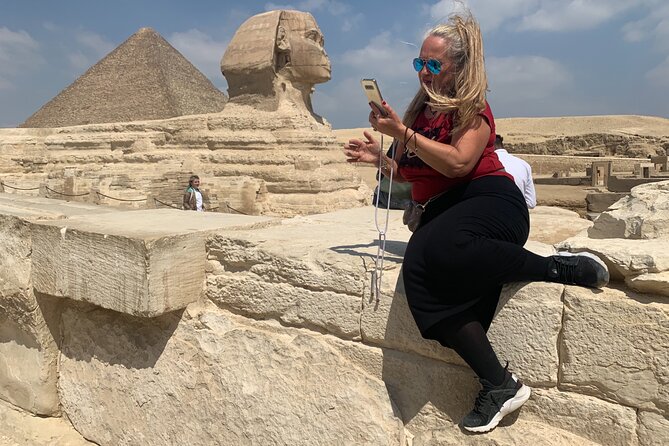
The guide is the difference between a long sightseeing run and a useful history day. You are meant to learn about building techniques, astronomy and the steps that led from Saqqara to Giza.
Several guide names connected with praised tours receive especially warm attention. Markus is described as giving clear historical explanations, while Aladin is praised for strong background knowledge, friendliness and an open manner. Rafik is also associated with a well-organized private Cairo and pyramid experience.
Your guide’s language is worth confirming. Positive accounts refer to German-speaking guides as well as guides who explained the sites in English, but the exact language for this departure is not stated. A private tour gives you a good chance to ask questions, so prepare a few before you leave.
Useful questions include:
- Why did Djoser’s tomb use a stepped design?
- Why does the Bent Pyramid change angle?
- How did Snefru’s projects lead toward the Red Pyramid?
- Why were the pyramids placed where they are?
- What evidence supports the astronomical theories?
That last question matters. Pyramid tours sometimes mix established archaeology with speculation about hidden chambers, star alignments and unexplained construction methods. I would enjoy the mysteries, but ask your guide to separate evidence from guesswork.
Families, older visitors and the very long return
This is a good match for you if you want a private, history-focused day and do not mind spending most of the day on the road. Families can benefit from the flexible pace, especially when children need breaks or shorter explanations.
It also suits people who have already seen Giza and want more context. Saqqara and Dahshur make the day more rewarding for anyone who wants to understand the evolution of pyramid design rather than simply tick off Egypt’s most famous monument.
I would think twice if you dislike long transfers, tire easily in heat or prefer a relaxed museum day. Each site receives about two hours, but the total experience lasts 16 to 18 hours. That leaves little room for a slow lunch, an unplanned stop or a quiet afternoon break.
The tour is described as suitable for most participants and is near public transportation, but no specific mobility information is supplied. If you have concerns about walking, steps or entering a pyramid, ask for details before booking.
Free cancellation is available up to 24 hours before the start time for a full refund. Changes made inside that period are not accepted, and poor weather may lead to a new date or a full refund. Those terms are fair, but the weather rule matters because the main sites are outdoors.
Should you book this pyramid tour?
Book it if you want the full pyramid story, not just Giza. Saqqara explains the first step, Dahshur shows the engineering problem, and Giza delivers the famous final image. The private format, included tickets, lunch and water add real value, especially for families or small groups.
I would not book until the pickup details are confirmed in writing. The Hurghada location, Cairo pickup wording and different start times need clarification. I would also ask about the Sphinx, interior access at Dahshur, guide language and vehicle arrangements.
If those points are settled, this is a strong choice for an ambitious first visit to Egypt. It is not an easy day, but it gives you a much fuller understanding of pyramid building than a standard Giza visit.
FAQ
Where does the tour start?
The experience is associated with Hurghada, but the detailed schedule says pickup from a hotel in Cairo. Confirm your exact pickup location with Memnon Reisen before booking.
What time does the tour start?
The listed start time is 8:00 a.m. The detailed plan says pickup from a Cairo hotel at around 9:00 a.m., so ask the provider to confirm the correct departure time for your hotel.
How long does the experience last?
The full experience takes approximately 16 to 18 hours.
Is this a private tour?
Yes. Only your group takes part in the private activity.
Which pyramid sites are included?
The route includes the Step Pyramid at Saqqara, the Bent Pyramid at Dahshur and the pyramids of Khufu, Khafre and Menkaure at Giza.
Are entrance fees and lunch included?
Yes. Lunch, bottled water, all entrance fees and taxes are included. Personal expenses are not included.
Can I cancel for a full refund?
You can cancel at least 24 hours before the experience starts for a full refund. Cancellations or changes made less than 24 hours before the start time are not accepted for a refund. If poor weather causes the tour to be canceled, you will be offered another date or a full refund.
Just added around Hurghada
- Private Transfer from Hurghada To Luxor★ 5.0 · 23 reviews
- 2 hours Camel Riding at Amazing Desert & Sea With Transfer – Hurghada★ 4.5 · 23 reviews
- One-Way Transfer from OR to Hurghada Airport & Hotels – Hurghada★ 4.5 · 23 reviews
- Horse Riding on the Beach And Desert 3 hours From Hurghada★ 4.5 · 23 reviews
- Luxor Trip Private from Hurghada, Elite Trip★ 5.0 · 23 reviews
- Hurghada: Luxor, Karnak Temple & Valley of the Kings★ 5.0 · 23 reviews
- Private daytrip from Hurghada to Luxor★ 5.0 · 23 reviews
- Hurghada Desert Sunset & Stargazing Tour with Dinner by Jeep★ 4.5 · 23 reviews
Giza Pyramids & Sphinx Tours, compared.
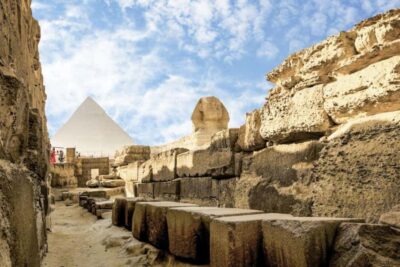
Pyramids & Great Sphinx Private Tour with Camel Ride
Read our review →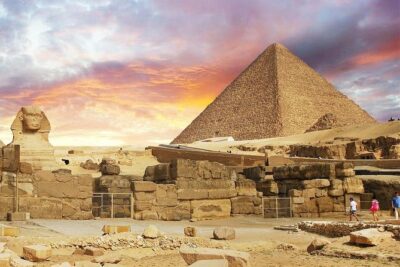
Tour to Giza Pyramids and The Egyptian Museum
Read our review →
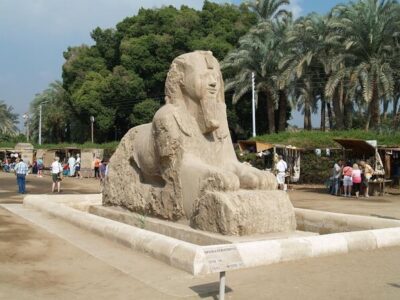
VIP All inclusive Best of the best Giza Pyramids,Sakkara,Memphis
Read our review →
Pyramids of Giza, Sphinx, Saqqara & Memphis Tour
Read our review →
Cairo 8 Hour Private Tour of Pyramids, Egyptian Museum and Bazaar
Read our review →
Half-Day Tour to Pyramids of Giza and the Sphinx
Read our review →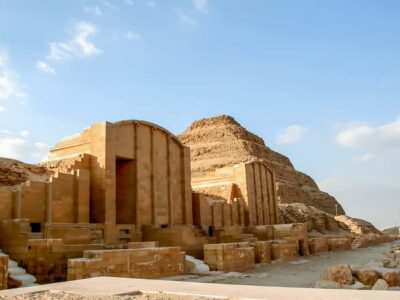
Browse the lists this tour appears in