
Reviewed · 2-DAY EXPERIENCES
Two Days Private tour to Cairo highlights
Cairo rewards a plan, and this one moves fast. Over two days, you cover the city’s biggest ancient and historic sights with a private Egyptologist guide, air-conditioned minivan, hotel pickup, and two included lunches. It is a useful way to fit a lot into a short stay without wrestling with Cairo traffic on your own.
I like the door-to-door transport, especially for a city where crossing town can eat up precious hours. I also like the balance between famous monuments and local Cairo: one day is devoted to pyramids and ancient capitals, while the next brings you to the museum, churches, synagogue, and Khan al-Khalili bazaar.
The main drawback is the pace. Giza, Memphis, and Saqqara already make for a full first day, and the second day packs major museum and Old Cairo sights into roughly six and a half hours of touring. If you prefer long, quiet visits, this may feel brisk.
In This Review
- Key points before you book
- Why this two-day plan works in Cairo
- Day one: the pyramids of Giza
- Memphis and Saqqara: the part many short visits miss
- Day two: the Egyptian Museum’s great collection
- Coptic Cairo in two hours
- Khan al-Khalili: shopping with a time limit
- The guides are a major part of the value
- Price, meals, and what you still pay for
- Who should choose this Cairo tour?
- Should you book it?
- FAQ
- How long is the tour?
- What time does the tour start?
- Is hotel pickup included?
- Is transportation provided?
- Are entrance tickets included?
- Are meals included?
- Is the tour private?
- Can most people participate?
- Can I cancel for a full refund?
Key points before you book

- See Giza, Memphis, and Saqqara in one day: This gives you the broadest ancient Egypt overview in the shortest time.
- A personal Egyptologist shapes the visit: Guides such as Hosni, Zizou, Mahmoud Badr, Mohamed Gomaa, and Hussein Elgabry have been praised for clear explanations and helpful photography tips.
- Cairo’s religious quarters get real attention: Two hours in Coptic Cairo includes the Hanging Church, St. George, St. Barbara, and a Jewish synagogue.
- Lunch is part of the day: Two Egyptian lunches are included, and some guides add local food suggestions such as koshari, falafel, tea, or coffee.
- Private transport saves energy: The air-conditioned minivan collects you from your hotel and returns you there after each day.
- The price is strong for a short visit: At $142.86 per person, the package includes guiding, transport, admissions, and lunch, though drinks are extra.
Why this two-day plan works in Cairo
Cairo is not a city where the sights line up neatly in a row. Giza sits apart from central Cairo, Memphis and Saqqara lie farther south, and the Egyptian Museum and old religious quarters require another set of transfers. Trying to connect these places independently can mean spending much of your day in traffic or sorting out transport.
This tour’s main value is the structure. You start at 8:00 a.m., ride in a private air-conditioned minivan, and have a guide who can explain what you are seeing instead of leaving you to read scattered signs. The private format also gives your group a more personal setup than a large coach tour. The stated maximum is 15 people, so confirm the exact vehicle and group arrangement when booking if a small party is especially important to you.
The two days have a sensible historical order. Day one begins with the Old Kingdom monuments around Giza, then moves south to Memphis and Saqqara. Day two shifts to museum collections and the later religious and commercial quarters of Cairo. You get ancient royal power first, then the city’s long religious and urban story.
More things to do in Cairo:
- Cairo: Pyramids & Great Sphinx Private Tour with Camel Ride
★ 4.9 · 6,335 reviews - Tour to Giza Pyramids and The Egyptian Museum
★ 5.0 · 6,016 reviews - VIP All inclusive Best of the best Giza Pyramids,Sakkara,Memphis
★ 5.0 · 3,164 reviews
Day one: the pyramids of Giza
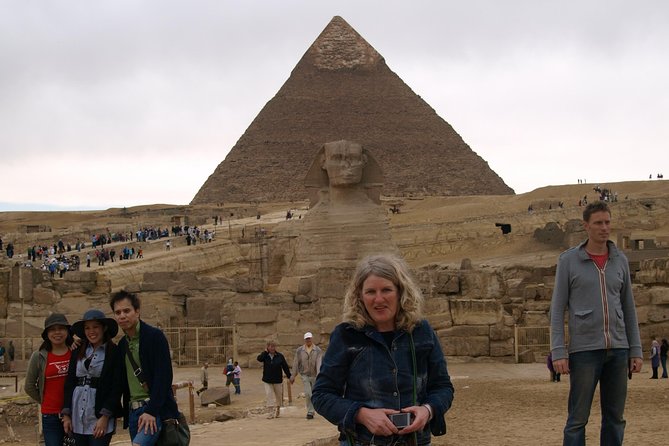
The Giza Plateau is the tour’s headline stop, and you have about two hours there with admission included. The complex contains the pyramids of Khufu, Khafre, and Menkaure, along with the Great Sphinx, cemeteries, a workers’ village, and an industrial area.
Two hours is enough to see the principal monuments and hear the basic story of the plateau, but it is not an open-ended archaeological visit. The site is large, and every pyramid has its own position, scale, and viewing angle. Your guide can help you focus on the key places and point out good spots for photographs, an aspect repeatedly praised in the guide feedback.
Khufu is the largest of the three pyramids and the one most people picture when they think of Giza. Khafre often appears taller because it sits on higher ground and retains some of its original casing near the top. Menkaure is smaller but still an important part of the group. The Great Sphinx adds a different mood, with its human head and lion body facing across the plateau.
Admission to the complex is included, but the supplied details do not say that entry inside a pyramid is included. Ask before booking if going inside one is important to you. The same practical question applies to any special access or optional ticket, since the package description only confirms admission to the listed attractions.
Your guide is likely to be most useful here when explaining the purpose of the pyramid complex, the role of the workers, and the relationship between the pyramids and the surrounding cemeteries. Several guides named in the feedback, including Hosni, Zizou, Mahmoud, Mohamed, and Hussein, were praised for making the history understandable rather than simply reciting dates.
Memphis and Saqqara: the part many short visits miss
After Giza, you spend about three hours around Memphis and Saqqara, with admission included. This is a major strength of the plan. Many quick Cairo visits stop at Giza and never reach the wider burial grounds and former capital that explain how the pyramid age fit into ancient Egypt.
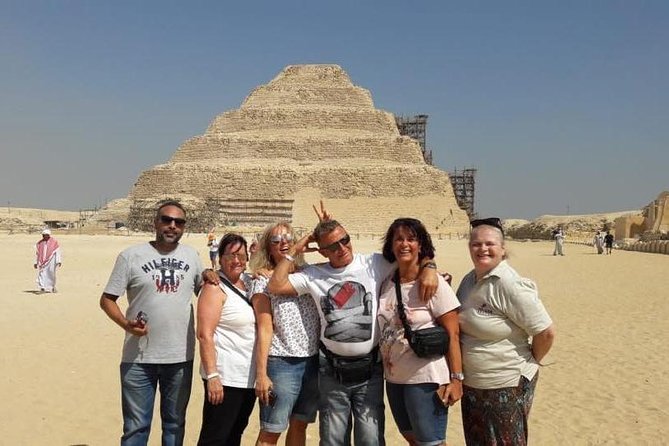
Memphis was the ancient capital of Lower Egypt and is associated with the pharaoh Menes in traditional accounts. Today, the remains lie near Mit Rahina, about 20 kilometers south of Giza. You should expect a different experience from Giza. Memphis is not a single monumental skyline. It is a spread of archaeological remains, with the focus on surviving statues and fragments that show the scale and importance of the old capital.
Saqqara was the main cemetery of Memphis and is one of Egypt’s largest archaeological areas. Its importance comes from its range as well as its famous monuments. The site helps connect the development of Egyptian royal burial practices across different periods.
Three hours for both places gives your guide room to provide context, but the stop still depends on organization. Ask how the time will be divided if you have a strong interest in one location. The supplied program does not specify individual monuments within Saqqara, so you should not assume that every tomb or pyramid area is part of the visit.
This is also the day when lunch matters. A mid-day Egyptian meal is included, and the food can give the day a welcome local break. Some guides have introduced people to koshari, a filling dish made with rice, pasta, lentils, chickpeas, tomato sauce, and fried onions, or offered falafel and tea during the wider experience. The exact restaurant and menu are not specified, so drinks are best treated as an extra expense.
Day two: the Egyptian Museum’s great collection
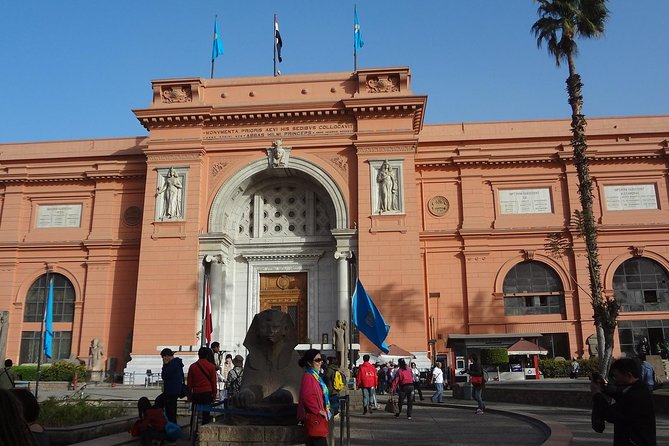
The second morning begins at the Museum of Egyptian Antiquities, where you have about two and a half hours. Admission is included. The museum houses thousands of artifacts, including the famous collection associated with Tutankhamun.
Two and a half hours is a reasonable first visit, but the collection is too large for a complete look. That is where the Egyptologist guide earns the fee. A good guide can steer you toward the most important objects, explain how they relate to ancient Egyptian beliefs and royal life, and keep the visit from becoming a tiring march past glass cases.
You should expect a lot of visual information. The museum is not a single dramatic monument like Giza. Its strength is the number of objects and the way they fill out the story behind the temples and tombs. After seeing royal burial sites on day one, the museum gives you a closer look at the objects created for those beliefs.
The guide names associated with especially strong feedback include Mohamed Gomaa, Hosni, Zizou, Mahmoud Badr, and Hussein Elgabry. Their praise centers on clear explanations, good English, patience, and the ability to adjust the focus to the group. That flexibility matters in a museum, where one person may want royal treasures while another prefers sculpture, writing, or daily life.
A few more Cairo trips worth weighing up
- White & Black Desert tour 2 Days 1 night camping from Cairo.
★ 5.0 · 649 reviews - Cairo: 2-Day Bahariya Oasis Camp and Desert Tour
★ 4.9 · 616 reviews - White & Black desert camping tour 2 Days 1 night From Cairo
★ 5.0 · 467 reviews - 2 days cairo and giza attractions plus Gem, private tour
★ 5.0 · 231 reviews
Coptic Cairo in two hours
Next comes Coptic Cairo, with about two hours devoted to the area. The program includes the Hanging Church, the Church of St. George, the Church of St. Barbara, and a Jewish synagogue.
This part gives the tour welcome breadth. Cairo is often reduced to pharaohs and pyramids, but its religious quarters show later layers of the city. The churches have different stories and architectural details, while the synagogue adds another dimension to Cairo’s religious past.
Two hours should allow for a focused walk through the main sites, though opening conditions and time at each church can affect the order. The supplied information does not provide a detailed access schedule, so your guide will be the best source for the exact sequence on the day.
I would pay close attention to the explanations here. Without context, the churches can blur into a string of old buildings. With a guide, details about their names, communities, and religious importance can make the area much easier to understand.
Khan al-Khalili: shopping with a time limit
The final stop is Khan al-Khalili, Cairo’s famous bazaar district. You have around two hours, and there is no admission fee. The shops are known for brassware, copper, perfumes, leather, silver, gold, antiques, and other goods.
This is not a quiet museum visit. It is a chance to walk, browse, bargain, and see a commercial side of Cairo. You might find it enjoyable even if you buy nothing, since the bazaar is part shopping district and part social scene.
Two hours is enough for a look around, but it can pass quickly if you want to compare prices or search for particular gifts. The guide can help you get oriented and may suggest where to browse, but buying decisions remain yours. Keep your expectations practical: the package includes a shopping stop, not a guaranteed purchase or a specific shop.
This is one area where the private format helps. You can tell your guide if you would rather spend more time browsing, take photographs, or move on sooner. The tour description does not promise a full market tour or a particular shopping list, so think of Khan al-Khalili as a flexible final stop rather than a formal class in Egyptian crafts.
The guides are a major part of the value
The strongest part of this experience is not just the number of sights. It is the guide and driver team. Names that appear repeatedly in the supplied feedback include Hosni, Zizou, Mahmoud Badr, Mohamed Gomaa, Hussein Elgabry, Zanaty, and Mohamed, along with drivers such as Omar and Waleed.
The praise is specific. Guides were valued for explaining context instead of listing facts, taking photographs, offering local food tips, helping families, and making ancient and Islamic history easier to follow. Zanaty, for example, was praised for introducing local food such as koshari and for sharing tea and coffee. Zizou was described as enthusiastic, helpful, and professional. Hosni was repeatedly singled out for warmth and strong explanations.
You should not assume you will receive a particular guide unless the company confirms it. Still, the pattern is encouraging: the human side of the tour appears to be a central strength. If you care about history, ask for a guide who can adapt the explanations to your interests and language level.
The driver matters, too. Cairo traffic can be stressful, and having a private driver means you are not responsible for finding parking or navigating between scattered sites. Omar and Waleed were praised for safe, considerate driving, while the air conditioning and ability to leave belongings in the vehicle were practical bonuses.
Price, meals, and what you still pay for

The listed price is $142.86 per person. For two days, that works out to about $71.43 per day before considering the included admissions, lunches, guide, private vehicle, and hotel transfers.
That is solid value if you want the major sights handled efficiently. Entrance fees can add up across Giza, Saqqara, Memphis, the museum, and Coptic Cairo, and the transport alone has real value in a city spread across a wide area. You also avoid arranging a new taxi or ride for every section of the day.
Drinks are not included. Bring Egyptian pounds or another accepted payment method for water and other beverages, but do not assume a specific currency arrangement from the supplied details. The two lunches are included, though restaurant choice and menu are not stated.
The tour is recommended by 98 percent of its published customer base and carries a 4.9 rating from 46 reviews. Those numbers suggest a strong record, but the detailed comments also offer a useful warning: one person felt an Islamic Cairo, Citadel, and bazaar day delivered closer to a half-day program for the price paid. That excursion is not the same as the two-day program described here, but it is a reminder to confirm exactly which sites and hours are included in your booking.
Who should choose this Cairo tour?
I would choose this experience for a first visit, a short stay, families who want a private vehicle, and anyone who prefers explanations to self-guided wandering. It also suits people who want ancient Egypt and later Cairo in one package, without spending time building a complicated schedule.
It is a good fit if you value convenience and personal attention more than a slow, unstructured day. The private setup gives you a better chance to ask questions, pause for photographs, and discuss local food or culture with the guide.
I would hesitate if your main goal is extensive time inside tombs, a slow museum study, or a deeply focused religious architecture tour. The program covers a lot, and its strength is range. You get the broad picture, not an exhaustive examination of every site.
Hotel pickup and drop-off are included, with an 8:00 a.m. start. Most people can participate, but the supplied information does not give detailed mobility guidance. If you have mobility needs, ask the operator about walking distances, steps, and vehicle access before paying.
Should you book it?
Book this two-day Cairo tour if you want the city’s major sights organized by a private Egyptologist and you have limited time. The combination of Giza, Saqqara, Memphis, the Egyptian Museum, Coptic Cairo, and Khan al-Khalili is unusually broad, and the included transport and admissions make the price easier to justify.
Before booking, confirm the exact guide, vehicle size, museum arrangements, pyramid entry options, lunch locations, and how much time will be spent at each stop. If the answers suit you, this is a practical and high-value introduction to Cairo, with enough local flavor to keep it from feeling like a checklist.
FAQ
How long is the tour?
The experience lasts approximately two days, with the first day focused on Giza, Memphis, and Saqqara, and the second day covering the Egyptian Museum, Coptic Cairo, and Khan al-Khalili.
What time does the tour start?
The stated start time is 8:00 a.m.
Is hotel pickup included?
Yes. Hotel pickup and drop-off are included.
Is transportation provided?
Yes. Transport is provided in a private, air-conditioned minivan.
Are entrance tickets included?
Admission tickets are included for the Giza Pyramids, Memphis and Saqqara, the Museum of Egyptian Antiquities, and Coptic Cairo. Khan al-Khalili has no admission fee.
Are meals included?
Yes. Two lunches are included, one for each day. Drinks are not included.
Is the tour private?
The experience is described as a private two-day tour. The stated maximum is 15 people.
Can most people participate?
Yes. The additional information says most people can participate. Detailed accessibility information is not provided.
Can I cancel for a full refund?
Yes, if you cancel at least 24 hours before the experience start time. Cancellations within 24 hours are not refunded, and changes within 24 hours are not accepted.
Just added around Cairo
- Day Tour To Giza Pyramids, Great Sphinx, Saqqara Pyramids & Memphis Capital★ 5.0 · 23 reviews
- GEM Grand Egyptian Museum Private Tour from Cairo Giza hotels★ 5.0 · 23 reviews
- Cairo vip two or one day pyramids ,Museum,memfis ,saqra and7 places★ 5.0 · 23 reviews
- Giza Pyramids, Sphinx, Saqqara, and Dahshur Tour with Camel Ride★ 5.0 · 23 reviews
- Full-Day Tour to Giza Pyramids Saqqara Memphis Sphinx Private★ 5.0 · 23 reviews
- 8 Day Cairo Pyramids and Nile cruise and Alexandria All inclusive Private Tour★ 5.0 · 23 reviews
- Full-Day Tour to Giza Pyramids, memphis and Sakkara Step Pyramid★ 5.0 · 23 reviews
- Half Day Guided Trip To Egyptian Museum★ 4.5 · 23 reviews
2-Day Experiences, compared.

2-Day Luxor Tour with Hotel, Balloon, & Boat Ride
Read our review →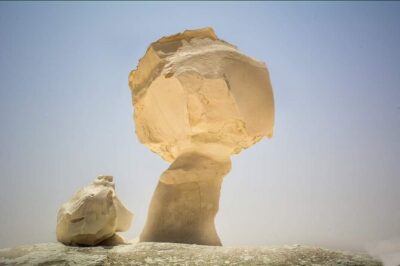
White & Black Desert tour 2 Days 1 night camping from Cairo.
Read our review →

White & Black desert camping tour 2 Days 1 night From Cairo
Read our review →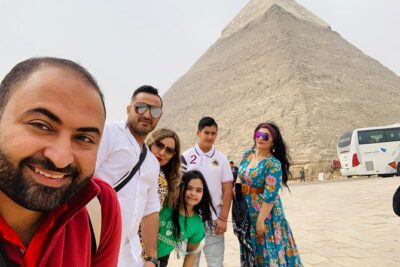
2 days cairo and giza attractions plus Gem, private tour
Read our review →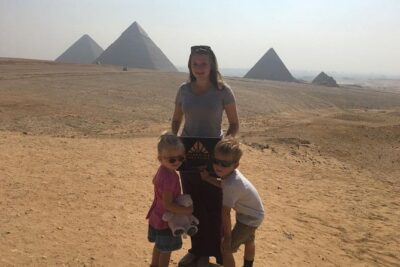
All Inclusive 2-Day Private Tour to All Pyramids and Cairo and 2 evenings
Read our review →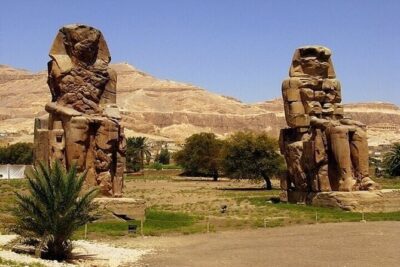
2-Day Top Attractions and Adventures Package in Luxor with Accommodation
Read our review →
2-Day Bahariya & White Desert Private Camp Adventure
Read our review →Browse the lists this tour appears in