
Reviewed · LUXOR TOURS
10 days 9 nights
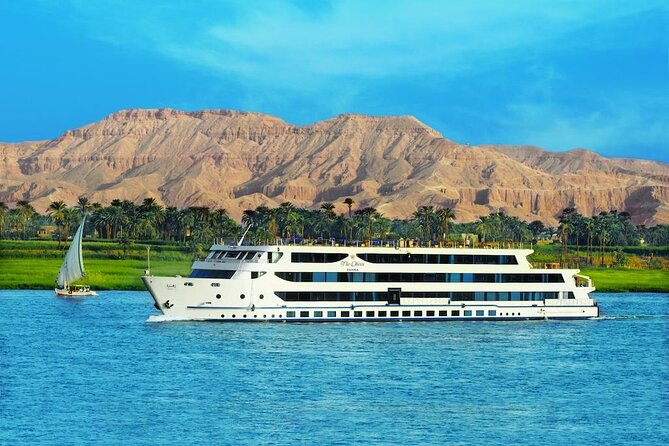
Egypt rewards a full schedule. This 10-day trip links Luxor, Aswan, Hurghada, and Cairo with seven nights on a five-star Nile boat, two nights in Hurghada, and one night in Cairo. I like the generous coverage and the mix of ancient temples, desert time, Red Sea outings, and a hot-air balloon ride over Luxor.
I also like that the price includes meals, entrance tickets, guided sightseeing, transfers, the Edfu horse carriage, Abu Simbel, and the balloon flight. The main caution is the pace. Several days begin before sunrise, and the published accommodation details are not perfectly clear, with one section describing three hotel nights and another specifying two nights in Hurghada plus one in Cairo.
In This Review
- Key points to know before booking
- Why this route works for a first Egypt visit
- Luxor begins with temples on both banks
- A balloon ride and the West Bank
- Edfu and Kom Ombo by river
- Aswan and the long trip to Abu Simbel
- A rest day that you will probably need
- Hurghada brings desert and sea
- What the $4,000 price really buys
- Who will enjoy this Egypt tour most
- Should you book it?
- FAQ
- How long is the Egypt tour?
- What cities and sites are included?
- Is the hot-air balloon ride included?
- Are meals included?
- Is this a private tour?
- What is the cancellation policy?
Key points to know before booking
- Seven nights on the Nile: The boat links Luxor, Edfu, Kom Ombo, and Aswan while saving you from changing hotels every night.
- The balloon flight is an early highlight: You see Luxor from above before visiting the Valley of the Kings and Hatshepsut’s temple.
- Abu Simbel is included: This removes one of the more complicated add-on decisions from an Egypt trip.
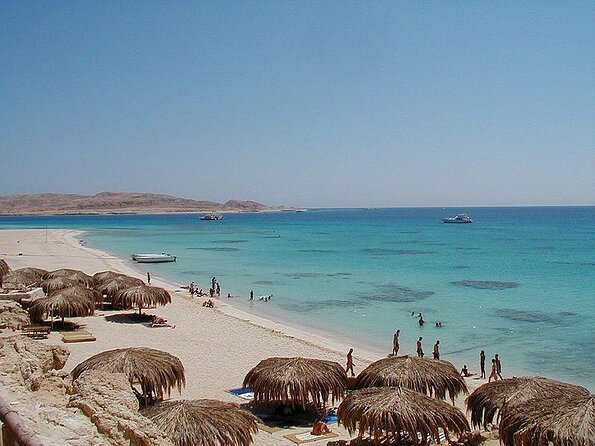
- Hurghada adds a change of pace: You get a five-star hotel stay, a desert outing, and a Giftun Island excursion.
- Cairo comes late and fast: The pyramids, Sphinx, Saqqara, and Memphis are packed into the final transfer day.
- The value depends on your stamina: At $4,000 per person, the package is convenient, but you need to be comfortable with long days and early starts.
Why this route works for a first Egypt visit
The smart idea here is the route itself. You begin in Luxor, where ancient monuments are dense and easy to combine, then move south by river toward Aswan. After that, the trip changes mood with Hurghada’s Red Sea coast before finishing with Cairo’s famous pyramids.
That variety matters. You are not spending ten straight days looking at temples. You get a boat cabin, hotel rooms, a carriage ride, a balloon flight, desert time, swimming and island scenery, and several long road transfers.
The private format is another advantage. Only your group participates, and a professional English-speaking Egyptologist accompanies you through the main visits. Guides named in the feedback include Gabriel, Maria, Reem, Irene, Samar Helmy, Ahmed Bahaa, Khalid Jalal, and Marwa Fatafeat El Soker. Praise repeatedly centers on guides who explain clearly, answer questions, and still leave time for photographs.
The published rating is 4.7 from 36 ratings, with 92 percent recommending the experience. That is encouraging, though the uneven comments about hotels, shopping stops, and sudden schedule changes deserve attention before you pay.
More things to do in Luxor:
- Hurghada: Luxor Valley of the Kings & Tutankhamun Tomb Trip
★ 4.7 · 13,208 reviews - Luxor Day Trip from Hurghada Small Group & Tutankhamun Tomb
★ 4.8 · 5,366 reviews - Hot Air Balloon Ride in Luxor Egypt with Transfers Included
★ 5.0 · 4,319 reviews
Luxor begins with temples on both banks
You are collected from Luxor Airport or the train station and taken to the boat. The stated start time is 9:00 a.m., with cabin reception at about 11:00 a.m. After lunch, the first sightseeing block visits Luxor Temple and Karnak Temple on the East Bank.
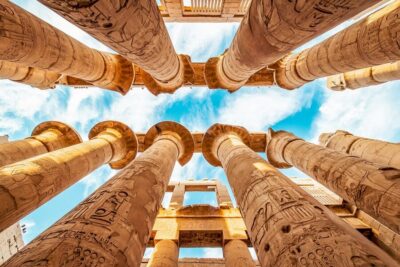
Karnak is the larger and more sprawling site, with monumental columns, courtyards, and sacred precincts built over many centuries. Luxor Temple feels more compact and urban, and it is especially useful as an introduction to the religious world of ancient Thebes.
Your guide is important here. These sites can turn into a blur of columns without a good explanation of how they were used and expanded. The published accounts of Samar Helmy and other guides describe clear explanations and a friendly approach, which is exactly what you need on the first afternoon.
The day is listed as roughly 10 hours, although the actual sightseeing time will depend on arrival, lunch, and boat arrangements. You return to the ship for dinner and spend the night aboard.
A balloon ride and the West Bank
Day two starts early with the hot-air balloon flight. The timing is not stated precisely, but a balloon ride over Luxor normally requires an early departure, and the day also includes several major West Bank sites. You should treat this as a sunrise start, not a relaxed breakfast excursion.
The reward is a broad view of Luxor’s fields, desert edge, temples, and river. The balloon is not just another ticketed activity. It gives you a useful sense of how close the farmland, villages, tombs, and monuments sit to one another.
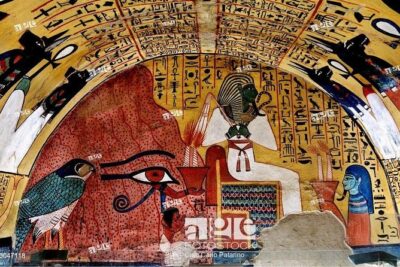
Afterward, you visit the Valley of the Kings, the Temple of Hatshepsut, and the Colossi of Memnon. The Valley of the Kings is the main event, with decorated royal tombs cut into the desert hills. Which tombs are open can vary, so do not assume every famous tomb will be included unless the operator confirms it.
Hatshepsut’s temple has a very different feel. Its terraces and long approach sit against the cliffs, and the story of Egypt’s powerful female pharaoh gives the visit a strong human angle. The Colossi of Memnon make a quick roadside stop, but their size helps you picture the grand scale of the vanished temple complex.
Feedback about Reem and Irene is especially positive for this section. Both are praised for explaining the Valley of the Kings, Hatshepsut, and the Colossi while allowing time to walk and take pictures. That balance is valuable because a guide who talks without pause can make even great monuments tiring.
After lunch, the boat sails toward Esna and spends the night in Edfu. The day again runs about 10 hours.
Edfu and Kom Ombo by river
Day three combines two of the Nile’s best-preserved temple stops. At Edfu, you ride a horse carriage to the temple. This is a memorable way to reach the site, but it is also the one part of the trip that raises an ethical concern in the feedback, with a complaint about child labor connected to a carriage or felucca-related outing.
You may want to ask the operator in advance who operates the carriage, how the drivers are paid, and whether any optional boat or carriage activity is being added. The carriage is included, so clarity before departure is better than an argument beside the ship.
Edfu Temple is dedicated to Horus and is known for its large scale and strong state of preservation. You can still make out the processional spaces, reliefs, and massive entrance pylons. A good guide helps you understand the temple as an active place of worship rather than just a photogenic ruin.
The boat then continues to Kom Ombo. This temple is unusual because it honors two divine traditions in one complex, and its position beside the Nile makes it particularly attractive late in the day. You return to the boat and sail on to Aswan.
As with the other sightseeing days, allow about 10 hours. The schedule is efficient, but you should expect heat, walking, and repeated boarding times.
A completely different sort of day out in Luxor:
- Luxor: Shared Full-Day Tour to Luxor West and East Banks
★ 4.5 · 1,812 reviews - Luxor: Hot Air Balloon Ride over Luxor Relics
★ 4.8 · 1,681 reviews - Luxor Day Tour: Valley of Kings & Queens & Hatchepsut Temples
★ 5.0 · 1,496 reviews - Full Day Tour to East and West Banks of Luxor
★ 5.0 · 1,449 reviews
Aswan and the long trip to Abu Simbel
Day four visits Philae Temple, the High Dam, and the Unfinished Obelisk. Philae is reached by motorboat, and that transfer is included. The temple complex has an appealing setting on an island, with water separating it from the city and adding a sense of arrival.
The High Dam explains modern Egypt’s relationship with the Nile. It changed flood control, electricity production, and the survival of several ancient sites. The Unfinished Obelisk, meanwhile, shows how stoneworkers shaped monumental granite before a flaw stopped the project.
Day five begins early for Abu Simbel. This is one of the hardest starts in the program, but also one of its best inclusions. The site contains two temples associated with Ramses II and Queen Nefertari, with the larger temple dedicated to Ramses II and the smaller one to Hathor.
The huge seated figures at the main temple are unforgettable, but do not rush inside. The wall scenes and carvings explain royal power, religious devotion, and the relationship between the two temples. Your guide is scheduled to explain the complex in detail before you return to the boat for lunch.
The supplied material describes the completion of Nefertari’s temple as taking 24 years during the reign of Ramses II. Regardless of the exact chronology, the important point for you is that the two temples present royal authority and family relationships side by side.
The repeated praise for Gabriel centers on Abu Simbel, Edfu, and Kom Ombo. He is described as enthusiastic and clear, which makes a difference at sites where the details are easy to lose among the huge carvings.
A rest day that you will probably need
Day six is set aside for rest while the boat returns toward Luxor. After the balloon, West Bank, Edfu, Kom Ombo, Aswan, and Abu Simbel, this pause is not wasted time.
Use it to sit on deck, watch the river, eat slowly, and catch up on sleep. The program lists about eight hours, but there are no scheduled visits. This is also your best chance to enjoy the boat as a place rather than simply using it as a floating bedroom.
The package says the cruise includes breakfast, lunch, and dinner, but not drinks. That distinction matters. Bring a payment method for beverages, and ask about current drink prices when you board.
Hurghada brings desert and sea
On day seven, you leave the boat after breakfast and drive to Hurghada. The transfer is included, and you check into a five-star hotel. This is a major change from ancient sites and river views, giving you space for a different kind of holiday.
Day eight includes a desert safari connected with Bedouin life. The description focuses on the natural desert, quiet, and open air rather than a detailed list of activities. That means you should ask what the safari includes before departure, especially if you care about transport type, meal arrangements, or time spent at a Bedouin settlement.
The day also involves room transfer and leaving bags at the hotel before the outing. Later, you prepare for the journey to Cairo. The wording is a little confusing because the schedule places the Cairo transfer around this day, while the next day still includes a Giftun Island trip from Hurghada. Confirm the exact order with Nice Tours before booking flights or arranging independent plans.
Day nine is devoted to Giftun Island, one of Hurghada’s best-known sea excursions. The appeal is simple: time on the Red Sea, island scenery, and the chance to see marine life. The description does not specify snorkeling equipment, boat type, lunch, or how long you spend on the island, so ask those questions directly.
The final day begins with departure from Hurghada for Cairo. The route is long, and the sightseeing list is ambitious: the Giza pyramids, the Sphinx, Saqqara, and Memphis, followed by a hotel stop to collect bags and a departure from Cairo Airport at 5:00 a.m.
Giza gives you the iconic finish, with the pyramids and Sphinx providing the images most people associate with Egypt. Saqqara adds an earlier chapter of Egyptian architecture, while Memphis connects the ancient capital to the wider story of the Nile Valley.
This final day is not leisurely. You are moving between cities and major sites before an early airport departure. If you want a slower Cairo experience, add separate nights after this tour rather than trying to squeeze more into the package.
What the $4,000 price really buys
At $4,000 per person, this is not a budget tour. Its value comes from reducing the number of separate arrangements you must make in Egypt.
The price includes seven nights on a five-star boat, meals aboard without drinks, two nights in a five-star Hurghada hotel, one day in a four-star Cairo hotel, an English-speaking private guide, air-conditioned transport to attractions, entrance fees, transfers from Luxor to Hurghada and Hurghada to Cairo, the Edfu carriage, Philae motorboat, balloon flight, Abu Simbel, Hurghada outings, and a final party.
That is a substantial bundle. If you priced each hotel, cruise, transfer, guide, and entrance ticket separately, the convenience could justify the cost, especially for a first visit when local coordination feels daunting.
Still, the accommodation description needs written confirmation. One part says seven boat nights and three hotel nights, while the included section specifies two hotel nights in Hurghada and one day in Cairo. The distinction between a hotel night and a hotel day matters, particularly with a 5:00 a.m. airport departure.
There is also a warning about possible shopping stops and last-minute changes. The operator should confirm that shopping visits are not mandatory and explain how schedule changes are handled. One complaint also questions whether every hotel matched the advertised star level. I would request the exact boat name and hotel names before making a nonrefundable payment.
Who will enjoy this Egypt tour most
I would choose this trip if you want the major ancient sites without planning every transfer yourself. It suits first-time visitors who value a private guide, included tickets, and a broad sample of Egypt over slow mornings.
It is a good fit if you enjoy variety. You get ancient temples, a Nile cruise, a balloon ride, a horse carriage, desert time, a Red Sea island, and Cairo’s major sights.
I would hesitate if you need a gentle pace, dislike pre-dawn starts, or want control over every meal and stop. The schedule can be hard on anyone with limited mobility or low tolerance for long road days, even though the activity information says most people can participate.
At $4,000, I would also avoid treating the package as a carefree luxury holiday. The five-star labels may sound polished, but the schedule is still demanding, and the accommodation details need checking.
Should you book it?
Book this tour if your goal is to see a great deal of Egypt in ten days and you want guides and transport arranged for you. Abu Simbel, the balloon flight, Philae, the Nile cruise, Hurghada, and the final Cairo circuit give you an unusually full first visit.
Before paying, get four things in writing: the exact boat and hotel names, the final order of Hurghada and Cairo, confirmation of all included activities, and a promise that shopping stops are optional. If Nice Tours answers those points clearly, the package offers strong convenience and broad coverage.
If you prefer slower mornings and more time in Cairo, choose a longer or more flexible plan instead. Egypt is much more enjoyable when you have enough energy left to look up from the schedule.
FAQ
How long is the Egypt tour?
The experience lasts approximately 10 days and includes nine nights. The package describes seven nights on a boat, hotel accommodation in Hurghada, and a stay connected with the Cairo departure.
What cities and sites are included?
The route includes Luxor, Edfu, Kom Ombo, Aswan, Abu Simbel, Hurghada, and Cairo. Major visits include Karnak Temple, Luxor Temple, the Valley of the Kings, Hatshepsut’s temple, Philae Temple, the High Dam, the Unfinished Obelisk, the Giza pyramids, the Sphinx, Saqqara, and Memphis.
Is the hot-air balloon ride included?
Yes. The balloon ride over Luxor is included in the package and is scheduled for the morning of the second day.
Are meals included?
Breakfast, lunch, and dinner are included during the boat stay. Meals are also included with the stated Hurghada hotel accommodation. Drinks are not included on the boat.
Is this a private tour?
Yes. The tour is described as a private activity for your group, with a professional private English-speaking Egyptologist guide.
What is the cancellation policy?
You can cancel for a full refund if you do so at least 24 hours before the experience start time. Cancellations or changes made less than 24 hours before the start time are not accepted for a refund.
Just added around Luxor
- Private Tour foll day to East and West Banks of Luxor★ 5.0 · 23 reviews
- East and West Bank Luxor★ 5.0 · 23 reviews
- Full Day Tour to Luxor (East & West Bank)★ 5.0 · 23 reviews
- Big brother travel★ 5.0 · 23 reviews
- Luxor Day Tour :Valley of Kings & queen & Hatshepsut & Habu city★ 5.0 · 23 reviews
- Luxor: Scenic Camel or Horse Ride★ 3.9 · 24 reviews
- From Cairo: 4-Day Nile Cruise from Aswan to Luxor with Meals★ 4.4 · 24 reviews
- Traditional Egyptian Breakfast at the AlHabib Arabian Horse Farm★ 5.0 · 24 reviews
Luxor Tours, compared.
Luxor Valley of the Kings & Tutankhamun Tomb Trip
Read our review →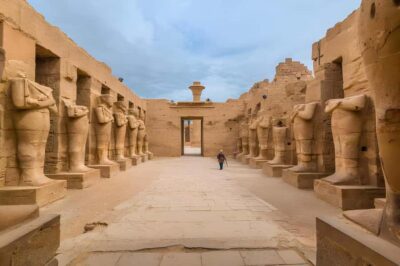
Luxor Day Trip from Hurghada Small Group & Tutankhamun Tomb
Read our review →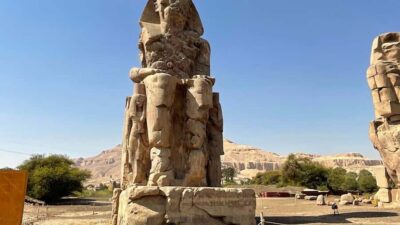
Shared Full-Day Tour to Luxor West and East Banks
Read our review →
Luxor Day Tour: Valley of Kings & Queens & Hatchepsut Temples
Read our review →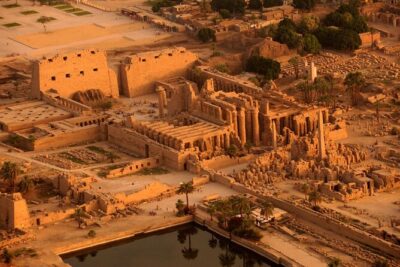
Full Day Tour to East and West Banks of Luxor
Read our review →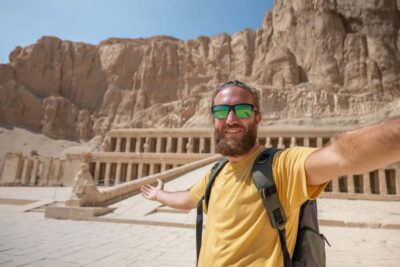
Valley of the Kings and Hatshepsut Temple Day Tour
Read our review →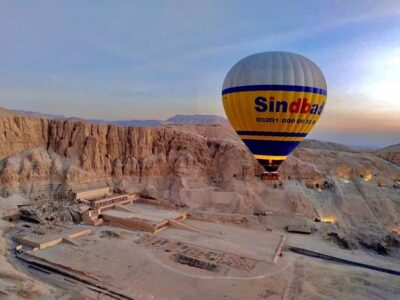
2-Day Luxor Tour with Hotel, Balloon, & Boat Ride
Read our review →Browse the lists this tour appears in