
Reviewed · NILE CRUISES
2 nights Nile cruise includes tours from Aswan to luxor
The Nile tells its story slowly. This three-day cruise from Aswan to Luxor links Egypt’s greatest southern temples while you unpack just once. I like the private ensuite cabin and the easy rhythm of sailing between guided visits. I also like the excellent range of sights, from Philae and Kom Ombo to the Valley of the Kings, all for $360 per person.
The trade-off is comfort and speed. The boat is sold as a five-star cruise, but ship quality can vary, and some cabins may feel dated. You will also have early starts, busy temple visits, extra charges for some items, and little control over the schedule.
In This Review
- Key points to know before booking
- Why this short Nile cruise works so well
- Day one: Philae, the High Dam, and boarding in Aswan
- Day two: Edfu by horse and carriage
- Day three: the Valley of the Kings and Luxor’s major temples
- The guide can make or break the experience
- What the boat is really like
- Price, extra costs, and practical planning
- Who should book this Aswan to Luxor cruise?
- Should you book it?
- FAQ
- How long does the Nile cruise last?
- Where does the cruise begin and end?
- Is the cabin private?
- Which meals are included?
- Are Abu Simbel and the Luxor hot air balloon included?
- What is not included in the cruise price?
Key points to know before booking
- Philae, Edfu, Kom Ombo, and Luxor in three days: This packs the main Nile sights into a short trip.
- A private cabin on a shared boat: You get your own room and bathroom, but the cruise itself is not private.
- Guide quality matters: Guides such as Ahmed, Baher, and Mohammed Shakour have received especially warm praise for clear explanations and efficient touring.
- Budget beyond the $360 fare: Drinks, Wi-Fi, tips, the Philae motorboat, and possibly site entrance fees can add a noticeable amount.
- The final day is intense: The Valley of the Kings, Hatshepsut, Karnak, and Luxor Temple make for a full sightseeing day.
- Book an evening departure from Luxor: The tour ends around 4 p.m. on day three.
Why this short Nile cruise works so well
A Nile cruise is a practical way to connect Aswan and Luxor. Instead of arranging several long car rides, hotel changes, temple tickets, and local guides, you sleep aboard the boat and wake up near the next part of the route.
That convenience is the main reason I would consider this tour. You receive pickup in Aswan, transfers, two nights in a private cabin, meals, guided excursions, and drop-off in Luxor. The group size is capped at 15 people, which is far more manageable than a large coach tour.
The ship is shared, so do not picture a private yacht. You will eat and sail with other passengers, and the excursions follow a group timetable. Still, your cabin gives you a quiet place to rest after hot temple visits.
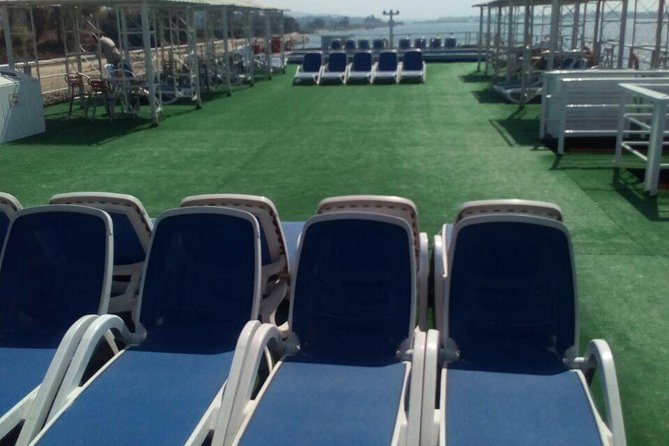
The cruise sails south to north, from Aswan toward Luxor. That direction has a practical advantage: the boat generally moves with the Nile current, making the sailing feel smooth and unhurried. One of the pleasures of the trip is simply sitting on the upper deck, watching fields, villages, islands, and desert edges pass by.
The cruise is listed at $360 per person. That is a fair price if you value convenience and guided sightseeing, but it is not an all-in price. You should set aside extra money for tips, drinks, Wi-Fi, the Philae motorboat, and possibly entrance fees. One practical estimate puts site entrance charges at about $100 per person, so check exactly what is covered before you pay.
More Boat Trips in Aswan
- 4-Days Nile Cruise From Aswan To Luxor including Abu Simbel and Hot Air Balloon
★ 5.0 · 3,142 reviews - 4-Day 3-Night Nile Cruise from Aswan to Luxor&Abu Simbel+Balloon
★ 5.0 · 2,023 reviews - 4-Day 3-Night Nile Cruise from Aswan to Luxor including Abu Simbel, Air Balloon
★ 4.5 · 612 reviews
Day one: Philae, the High Dam, and boarding in Aswan
The first morning begins with pickup from an Aswan hotel, airport, or railway station. Pickup is included from hotels on Aswan’s east bank. West bank pickup is available for an extra $10 per person.
Your first major stop is Philae Temple. Dedicated to Isis, the temple sits on an island and is reached by motorboat. The island setting gives Philae a special mood, with the Nile forming part of the view in every direction. The motorboat is not included in the advertised package and costs around $10 per person.
Philae is more than a pretty temple. It also reflects one of Egypt’s largest preservation projects. The complex was moved to higher ground after the construction of the Aswan High Dam threatened to submerge it. Your Egyptologist guide can help you make sense of the carvings, columns, and stories connected with Isis, Osiris, and Horus.
Next comes the Aswan High Dam, built in the 1960s to control the Nile’s annual flooding and provide electricity. It is an engineering stop rather than an ornate archaeological site, but it helps explain modern Egypt and the changes made to the river. The dam also gives you a useful sense of the scale of Lake Nasser and the power of the Nile system.
Boarding normally follows the morning visits. After check-in, the boat is scheduled to begin sailing around 2 p.m. This is when the cruise itself becomes the main event. Take time on deck for views of Aswan’s islands, especially in the late afternoon light.
The first day includes lunch, and meals continue through breakfast on the final day. Food is generally described as plentiful, hygienic, and sometimes surprisingly good, though some meals may seem plain or repetitive. Bring your own bottled water if you can. Water is available onboard but can be expensive, and drinks are not included.
Kom Ombo is another important stop on the first day. The temple is unusual because it is dedicated to two gods, Sobek and Horus the Elder. Its reliefs and layout reflect this double dedication. The crocodile connection at Kom Ombo is memorable, and the site offers a welcome change after Philae.
Timing can shift because of sailing conditions and river traffic. The operator says the listed sights will be covered even if the order changes. That flexibility is useful, but you should avoid planning a tightly timed activity immediately after pickup or boarding.
Day two: Edfu by horse and carriage
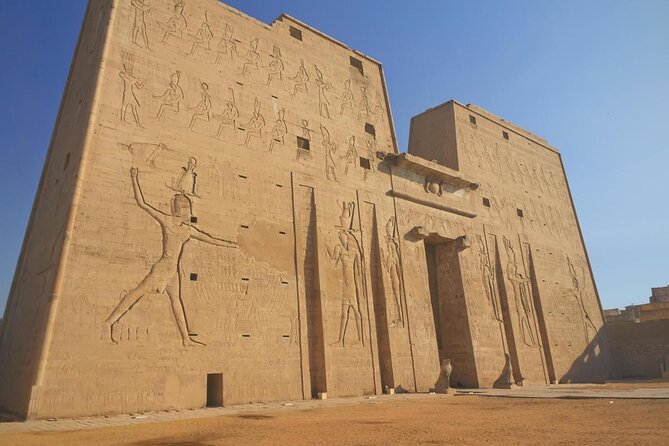
Day two begins early. You take a horse and carriage to Edfu Temple, a detail that makes the visit feel different from the other stops. The ride is part of the organized excursion and saves you from arranging local transport at the landing point.
Edfu is dedicated to Horus and contains scenes connected with the conflict between Horus and Seth. Its inscriptions and temple design give your guide plenty to explain. This is one of the places where a good Egyptologist can make a major difference. Without context, the walls can look like a large collection of carved figures. With a clear explanation, the stories and symbols begin to connect.
The early start is not optional in spirit. Edfu is a considerable distance from the boat’s landing area, and one poor experience described missing the temple because the departure time and horse ride were not clearly understood. Listen carefully to the guide and follow the group’s meeting time. The boat will not wait indefinitely for someone who wanders off.
After Edfu, the boat continues toward Luxor. Afternoon tea is served during sailing, and this is one of the calmer stretches of the trip. You can rest on the sun deck, use the swimming pool, or watch the banks of the Nile slide past.
The boat passes through the Esna Lock before reaching Luxor, usually around 7 p.m. Lock passages are a practical part of Nile cruising, but they also add variety to an otherwise leisurely sailing afternoon. You spend the second night aboard the boat in Luxor.
This day is less packed with major temples than the first and third days, but it gives you the best chance to enjoy the cruise itself. If you spend every minute chasing sights, you lose part of what you paid for. Keep a little time for the deck and the river.
Day three: the Valley of the Kings and Luxor’s major temples
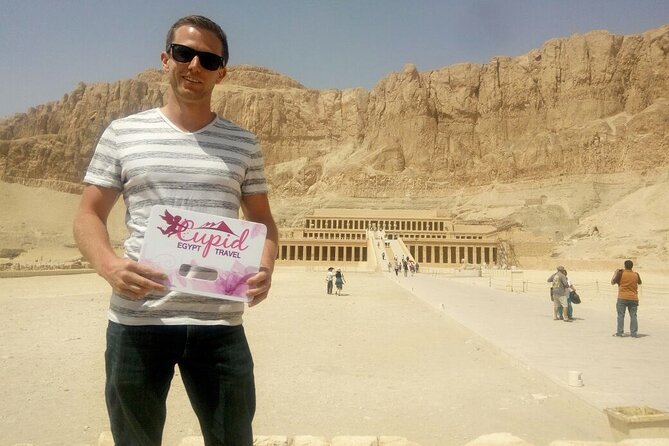
The final day is the busiest and most important for many people. You leave the boat for Luxor’s west bank, where the Valley of the Kings is the centerpiece.
The valley contains royal tombs cut into the dry hills. The visit typically includes tombs associated with figures such as Tutankhamun, Ramesses VI, Thutmose, and Amenhotep II, subject to local access and the tickets available that day. Tomb access can change, and some tombs may require separate payment.
The interiors are the real reward. Painted walls show gods, royal rituals, and scenes intended to guide the pharaoh into the next life. The valley is exposed and hot, so practical clothing, water, and sensible footwear will help. Your guide’s explanations are especially useful here because the symbolism is not always obvious at first glance.
Next comes the Temple of Hatshepsut at Deir el-Bahari. Hatshepsut ruled Egypt as a pharaoh and is one of the most fascinating figures in the country’s royal story. The temple’s terraces rise against the cliffs, creating a bold setting and a sharp contrast with the enclosed tombs of the valley.
The Colossi of Memnon follow. These twin statues once guarded the entrance to the mortuary temple of Amenhotep III. The statues have endured earthquakes, weather, and centuries of change, and they offer a quick but worthwhile stop on the west bank.
The route then crosses to Luxor’s east bank for Karnak Temple and Luxor Temple. Karnak is a huge religious complex rather than a single building. Its columns, courtyards, obelisks, and sacred spaces can be confusing if you visit without a plan, so stay close enough to hear the guide.
Luxor Temple is usually the final major sight. It is more compact than Karnak and has a strong connection with royal ceremonies and the ancient city of Thebes. Seeing both temples on the same day helps you understand how they related to one another.
The schedule is efficient, but not leisurely. One guide may give a detailed explanation at each place, while another may move the group quickly to cover the full route. Several people have found the Luxor visits rushed, especially at Karnak and Luxor Temple. If you want long photography sessions or quiet time at each monument, this format may frustrate you.
The tour ends in Luxor at around 4 p.m. Drop-off is included at east bank hotels. West bank drop-off costs an extra $10 per person. An evening train, flight, or hotel check-in is the safest plan.
More Nile Cruises in Aswan
- From Aswan: 4-Day Nile Cruise from Aswan to Luxor with Guide
★ 4.1 · 593 reviews - 4-Days Nile Cruise From Aswan To Luxor including Abu Simbel and Hot Air Balloon
★ 4.5 · 509 reviews - 4-Day 3-Night Nile Cruise from Aswan to Luxor – Private Tour
★ 5.0 · 369 reviews - 4 Days Nile Cruise from Aswan to Luxor including Abu Simbel and Hot Air Balloon
★ 4.5 · 356 reviews
The guide can make or break the experience
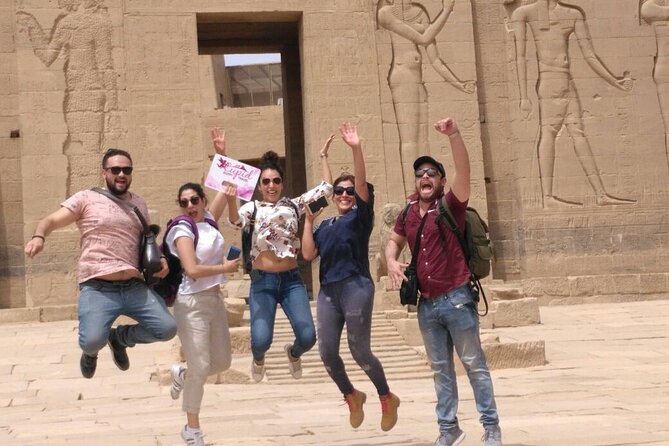
The strongest part of this cruise is often the Egyptologist guide. Ahmed has been praised for detailed explanations, good organization, and moving the group efficiently without skipping the major sights. Baher has also received warm praise for his clear knowledge and friendly manner.
Mohammed Shakour is another guide worth noting. His approach goes beyond a quick speech at the entrance. He has been praised for explaining individual hieroglyphics, pointing out details other guides may pass, and offering practical advice about shopping without pressuring people to buy.
You cannot necessarily choose your guide when booking, so treat these names as examples of the level of service you might receive, not a guarantee. The guide assignment can shape the entire trip. A strong guide helps with timing, transport, temple layout, and the steady stream of questions that comes with ancient Egypt.
Tips are not included and are recommended. Carry small Egyptian pound notes or suitable cash for porters, drivers, cruise staff, and the guide. One unhappy experience came from assuming tipping was covered, so make this cost part of your planning.
What the boat is really like
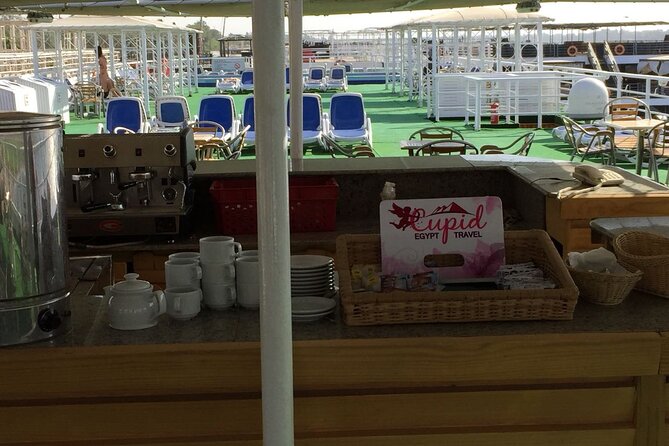
The cruise is described as a five-star Nile boat, but the phrase should be understood in a local tour context rather than compared with a luxury ocean liner. The vessel name may not be provided until closer to departure, and the assigned boat can vary.
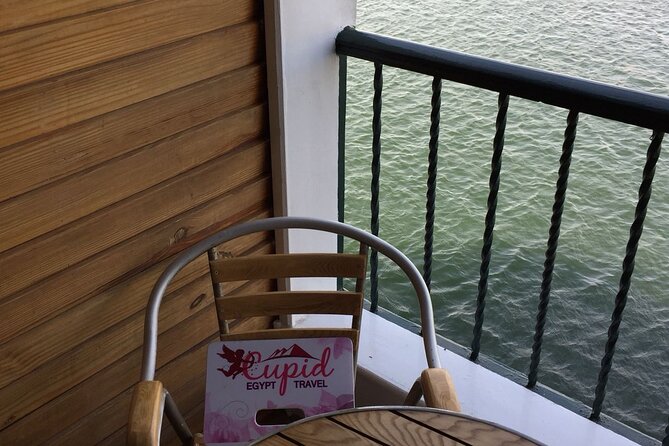
Cabins include a private bathroom, bed, refrigerator, and basic facilities. Some passengers have found their rooms clean, comfortable, and surprisingly modern, including excellent showers. Others have found older décor, worn towels, broken hairdryers, or room equipment that did not work.
That mixed picture is important. You are paying for a practical floating hotel, not guaranteed luxury. If a clean cabin, working bathroom, and friendly staff matter more to you than new furniture, the arrangement may be perfectly comfortable. If you expect polished five-star fittings, the ship could disappoint.
The upper deck and pool offer a place to relax between excursions. Entertainment is also included as part of the cruise facilities, though the exact program is not specified. Wi-Fi costs extra, and drinks are not included.
Food is generally considered abundant and hygienic. Some meals are described as tasty, while others are called bland. Expect simple group-cruise cooking rather than a carefully planned dining experience. If you have a sensitive stomach, pack familiar snacks and be careful with drinks and water.
A less pleasant possibility is docking overnight in a port with engine noise or smells. The boat can also feel busy when several ships gather at the same stop. That is part of Nile cruising, and it is one reason to keep expectations realistic.
Price, extra costs, and practical planning
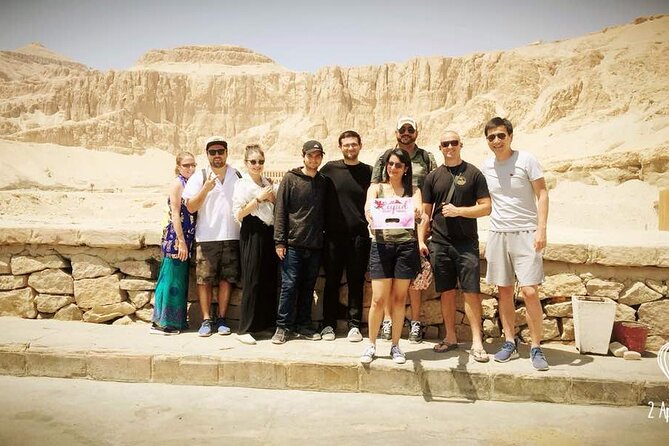
At $360 per person, the cruise offers strong value if you want transport, accommodation, food, and a guide bundled together. Organizing the same route independently would mean arranging transfers to several temples, finding transport at Edfu, choosing guides, and managing the timing around the boat.
The price is less attractive if you prefer independent sightseeing or dislike group schedules. Some sites may charge entrance fees separately, even though the excursions themselves are included. Confirm the current ticket arrangement before booking, and allow roughly $100 per person for entrance charges based on the cost reported for this trip.
Plan for these likely extras:
- Tips for the guide, driver, and cruise staff
- Bottled water and other drinks
- Wi-Fi on the boat
- The Philae motorboat, about $10 per person
- West bank pickup or drop-off, $10 per person
- Optional Abu Simbel or Luxor hot air balloon trips
The Abu Simbel day trip and Luxor hot air balloon ride are available at extra cost. They are not part of the three-day core route, so ask about them before finalizing your schedule.
The minimum booking age is not stated, but most people can participate. Children aged 6 to 11 who travel with one adult are charged as adults. Children aged 6 to 11 sharing with parents can be accommodated, with a maximum of two children in one room. Three-person groups use a triple room, while anyone wanting a private room must book as a single person.
You can cancel for a full refund up to 24 hours before the local start time. Changes made within that 24-hour window are not accepted.
Who should book this Aswan to Luxor cruise?
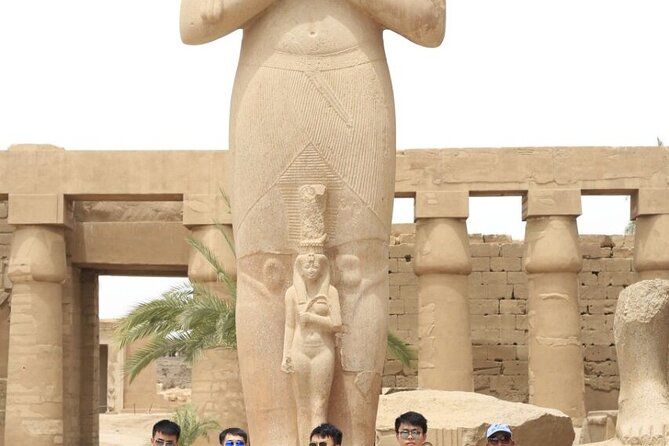
I would choose this trip if you have only three days and want the main temples without arranging every transfer yourself. It suits first-time visitors, couples, families with older children, and anyone who wants an Egyptologist to explain what they are seeing.
It is also a good fit if you enjoy a mix of sightseeing and downtime. The river views, deck, pool, and meals give you breaks between the monuments. You are not spending all three days in a vehicle.
I would hesitate if you need total independence, modern luxury, or long periods at each site. The schedule is full, the boat can be dated, and temple visits may feel rushed. You also need to be comfortable with early mornings, group transport, extra costs, and possible changes caused by river conditions.
Should you book it?
Book this Nile cruise if your priority is efficient access to southern Egypt’s major sights. The route covers an impressive amount in three days, and the private cabin makes the pace easier to handle. The best guides, especially Ahmed, Baher, and Mohammed Shakour, can turn a string of monuments into a connected story.
Do not book it expecting a flawless luxury hotel on water. Ask about the assigned ship, confirm entrance fees, bring water and cash, and leave your final evening flexible. With those expectations, this is a useful, good-value introduction to the Nile from Aswan to Luxor.
FAQ
How long does the Nile cruise last?
The experience lasts approximately three days and includes two nights aboard the cruise boat.
Where does the cruise begin and end?
Pickup is provided in Aswan, including from hotels, the airport, or railway station. The cruise ends in Luxor around 4 p.m. on the third day, with drop-off included at east bank hotels.
Is the cabin private?
Yes. You receive a private cabin with an ensuite bathroom and cruise facilities. The boat itself is shared with other passengers.
Which meals are included?
Meals begin with lunch on the first day and end with breakfast on the third day. Drinks and bottled water are not included.
Are Abu Simbel and the Luxor hot air balloon included?
No. Both are available at an additional cost upon request.
What is not included in the cruise price?
Tips, drinks, Wi-Fi, and the Philae motorboat are not included. The Philae motorboat costs around $10 per person. Site entrance fees may also be charged separately, so confirm the current arrangement before departure.
Just added around Aswan
- Private Day Tour to Abu Simble Temple from Aswan★ 4.5 · 23 reviews
- Nile Cruise 2 Nights from Aswan to Luxor with Hot air Balloon★ 4.5 · 23 reviews
- Private Aswan Airport Arrival/Departure One Way Transfer★ 4.5 · 23 reviews
- Best of Luxor in 2 Days Hotel,Tours,Felucca,Camel&Balloon by Plane from Cairo★ 5.0 · 23 reviews
- (3-Nights Cruise From Aswan To Luxor & Balloon, Abu Simbel)★ 4.5 · 23 reviews
- Full Day Sharing Trip To Abou simple Temple form Aswan★ 5.0 · 24 reviews
- Enjoy 2 nights Nile cruise from Aswan to Luxor,Hot deal★ 4.5 · 24 reviews
- 3-Day 2-Night Tour to Aswan, Abusimbel & Luxor★ 5.0 · 24 reviews
Nile Cruises, compared.

4-Days Nile Cruise From Aswan To Luxor including Abu Simbel and Hot Air Balloon
Read our review →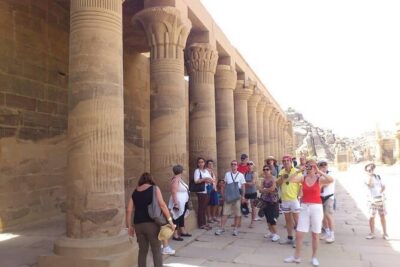
4-Day 3-Night Nile Cruise from Aswan to Luxor including Abu Simbel, Air Balloon
Read our review →
4-Day Nile Cruise from Aswan to Luxor with Guide
Read our review →4-Days Nile Cruise From Aswan To Luxor including Abu Simbel and Hot Air Balloon
Read our review →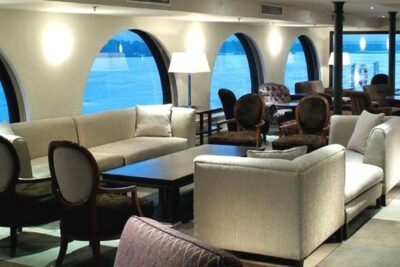
4-Day 3-Night Nile Cruise from Aswan to Luxor – Private Tour
Read our review →4 Days Nile Cruise from Aswan to Luxor including Abu Simbel and Hot Air Balloon
Read our review →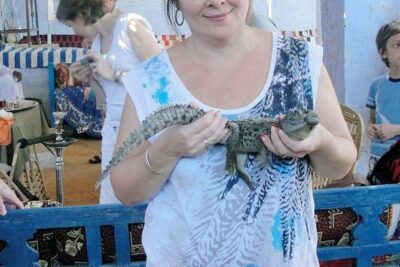
4-Day 3-Night Nile Cruise from Aswan to Luxor With Balloon and Abu Simbel
Read our review →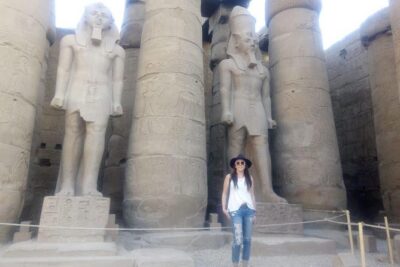
4-Days Nile Cruise Aswan&Luxor,Hot Air Balloon&Abu Simbel.Hot deal
Read our review →Browse the lists this tour appears in