Reviewed · ABU SIMBEL TOURS
4-Day 3-Night Nile Cruise from Aswan to Luxor including Abu Simbel, Air Balloon
Ancient Egypt rewards an early start. This four-day Nile cruise links Aswan and Luxor by boat, road, motorboat, horse carriage, and hot-air balloon, giving you a lot of Egypt in a short time. I like the route for two clear reasons: Abu Simbel is included, and the cruise connects the major temples without making you arrange a new hotel and taxi every night.
I also like the sunrise balloon ride over Luxor’s West Bank. It gives you a quiet view before the tombs and temples open for the day. The main drawback is the pace. Expect some 4:00 or 5:00 a.m. starts, long touring days, and little time to simply sit on deck and watch the Nile pass.
At $329 per person, the package offers strong value if you want transport, meals, a cabin for three nights, shore excursions, and a guide handled in one booking. But entrance tickets, drinks, and tips can add a sizeable extra cost, so you should budget beyond the advertised fare.
In This Review
- Key points to know before booking
- What $329 buys you on the Nile
- Day one: Aswan High Dam and Philae by motorboat
- Day two: Abu Simbel and the temples of Kom Ombo
- Day three: Edfu, the Esna Lock, and Luxor Temple
- Day four: Balloon views and Luxor’s West Bank
- Karnak’s 63 acres of stone
- Life on board: food, cabins, and downtime
- Guides, tipping, and the human side of the trip
- Who will enjoy this Nile cruise?
- Should you book it?
- FAQ
- How long is the Nile cruise?
- Is Abu Simbel included?
- Are entrance fees included?
- Is the hot-air balloon ride included?
- What meals are included?
- What happens if I need to cancel?
Key points to know before booking
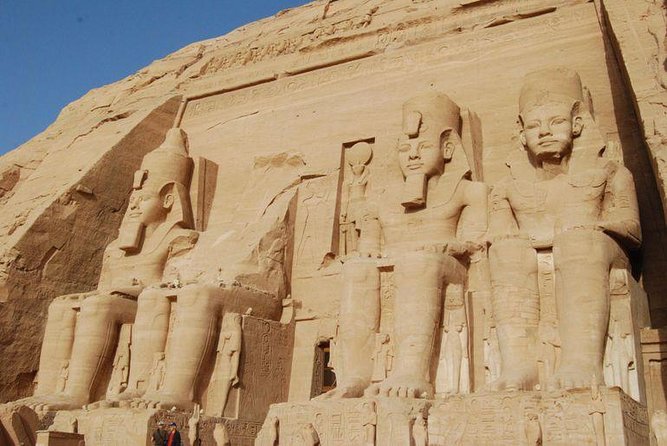
- Abu Simbel requires a 4:30 a.m. departure: The road trip takes about nine hours in total, with roughly one hour at the temples.
- The balloon flight lasts 30 to 45 minutes: It runs around 5:00 a.m. on the final day, and a bad-weather cancellation brings a $25 refund per person.
- The cruise covers the classic Aswan to Luxor route: You visit Philae, Kom Ombo, Edfu, Luxor Temple, Karnak, the Valley of the Kings, Hatshepsut, and the Colossi of Memnon.
- Entrance fees are separate: The supplied estimate is about $125 per person for all sites, payable in addition to the tour price.
- The boat is marketed as five-star, but expectations should be modest: Cabins are clean and maintained, though some bathrooms are tight and a few facilities may feel closer to three-star quality.
- Guides make a real difference: Guides named in the feedback include Mohamed Gobran, Mahmoud, Ahmed Shawky Ali, Ahmed, and Mustafa. Communication and care were praised often, but experiences with explanations and money requests were not always consistent.
What $329 buys you on the Nile
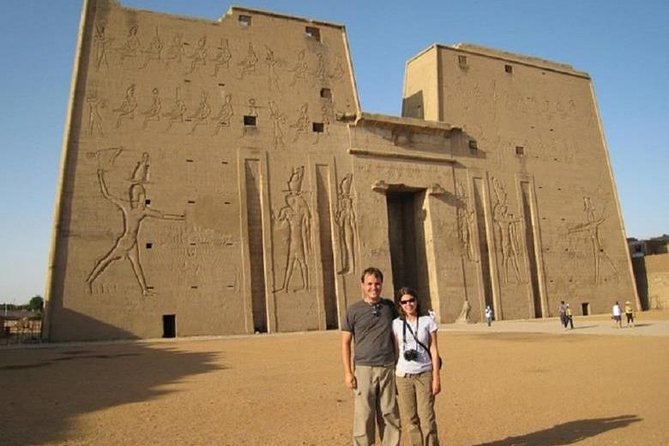
The price covers three nights aboard a Nile cruise, meals from lunch on day one through breakfast on day four, air-conditioned transfers, a qualified Egyptology guide, the Abu Simbel excursion, horse-and-carriage transport at Edfu, and the hot-air balloon ride.
That is a lot of moving parts for $329. You are not only paying for a bed on a boat. You are paying for the long transfer to Abu Simbel, the motorboat to Philae, the road transfers on both banks of Luxor, the cruise itself, and someone to keep the schedule together.
The value becomes less obvious once you add the extras. Entrance fees are estimated at around $125 per person. Tips for the guide, drivers, cruise staff, and other crew are not included. Water and soft drinks also cost extra on board, and one person reported paying about $3 for a 1.5-liter bottle and $3 for a can of cola.
I suggest treating the advertised fare as the starting price, not the complete cost. Bring enough cash for tickets and gratuities, and buy bottled water away from the boat when possible. One person paid about $0.50 for a 1.5-liter bottle at stops, compared with much higher prices on the ship.
The tour accepts groups of up to 30 people. That is small enough to move around ancient sites without a huge crowd, but it is still a group tour. Your experience will depend partly on the guide assigned to your departure.
More Boat Trips in Aswan
- 4-Days Nile Cruise From Aswan To Luxor including Abu Simbel and Hot Air Balloon
★ 5.0 · 3,142 reviews - 4-Day 3-Night Nile Cruise from Aswan to Luxor&Abu Simbel+Balloon
★ 5.0 · 2,023 reviews - From Aswan: 3-Day Cruise to Luxor with Hot Air Balloon
★ 4.3 · 598 reviews
Day one: Aswan High Dam and Philae by motorboat
Your first day begins with pickup from an Aswan hotel, train station, or airport. The transfer takes you to the Aswan High Dam, an important modern engineering project that changed farming, electricity, and settlement along the Nile.
The dam itself is a short stop, but it gives useful context. Egypt’s ancient monuments are not sitting in an untouched river valley. Modern water control has shaped the country just as strongly as the pharaohs did.
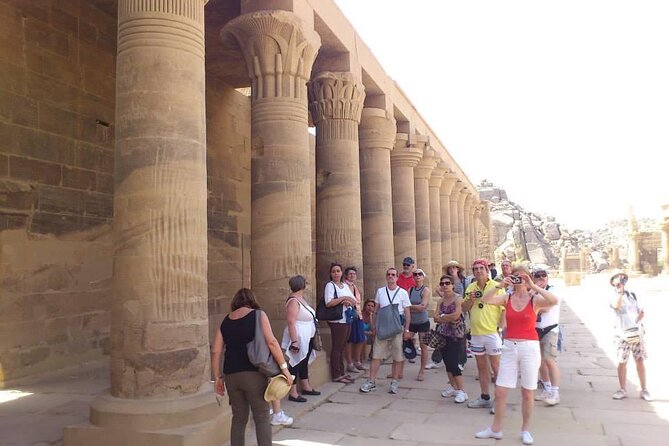
From there, you take a motorboat to Philae Temple. This is one of the most appealing visits on the route because the temple sits on an island. The boat ride adds a pleasant change of pace after the road transfer, and the approach across the water gives you a good first look at the sanctuary.
Philae was dedicated mainly to Isis and was moved to higher ground when the original island was threatened by rising water. Your guide should explain the temple’s Egyptian, Christian, and later layers, including the carved figures and changes made over a long period.
The whole stop is scheduled for about four hours, not counting every transfer detail. Admission is extra. After touring, you board the ship for lunch, afternoon tea, dinner, and an evening disco party.
This first night is also your chance to settle into the cabin. The ship is described as a five-star cruise, but you should pack with practical expectations. Several accounts describe clean rooms and daily cleaning, while also noting basic cabins, cramped bathrooms, and occasional problems such as no hot water on the first night.
Day two: Abu Simbel and the temples of Kom Ombo
The Abu Simbel day begins very early. Pickup is around 4:30 a.m., and the drive is made in a shared small group. You reach the site at about 8:00 a.m., giving you the cooler part of the morning for the visit.
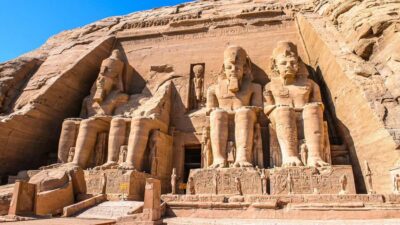
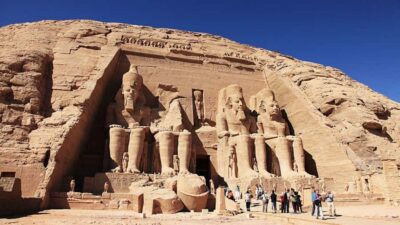
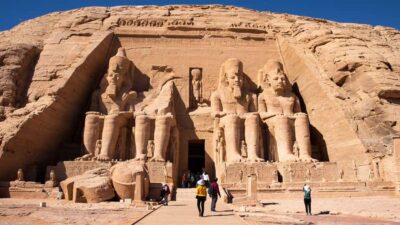
Abu Simbel is the big reason many people choose this cruise. Ramesses II carved the two temples into the rock, with the smaller temple dedicated to Queen Nefertari. The huge seated figures at the entrance are among Egypt’s most memorable sights, but the interior reliefs matter just as much. They show royal power, religious ceremony, and the way Ramesses wanted to be remembered.
The tradeoff is time. The entire Abu Simbel outing takes about nine hours, yet the visit itself may last only around an hour. That is enough to see the main chambers and take in the facades, but not enough for a slow, detailed examination. If Abu Simbel is your main priority, you may wish the schedule allowed longer there.
You return to the ship around noon for lunch, then cruise toward Kom Ombo. This shift from road to river is one of the pleasures of the route. After a tiring morning, you can rest on deck, watch villages and fields pass, and let the boat do the work.
At Kom Ombo, you visit the unusual double temple dedicated to Sobek, the crocodile god, and Horus, the falcon god. The paired design reflects the shared worship of two different deities. The site also has a strong connection with crocodiles, including a small display of mummified animals.
The Kom Ombo visit lasts about an hour. It can feel brief, especially after the long Abu Simbel run, but the temple is compact and easy to grasp with a good explanation. You then return to the ship for dinner and continue sailing to Edfu, where you spend the night.
Day three: Edfu, the Esna Lock, and Luxor Temple
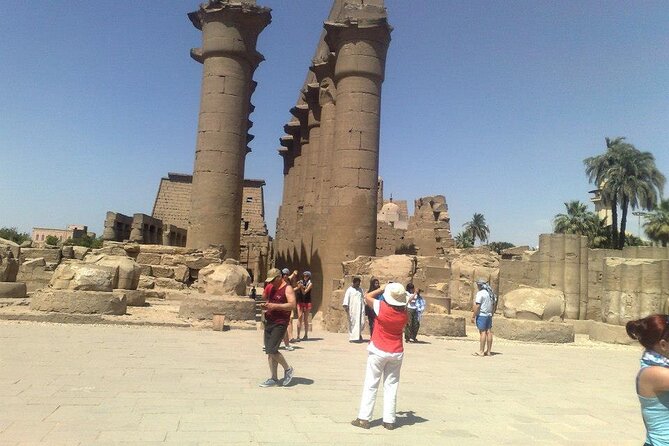
After breakfast, a horse-and-carriage ride takes you through Edfu to the Temple of Horus. This is one of the best-preserved major temples in Egypt, with tall walls, strong reliefs, and a clear sense of its original plan.
The carriage is practical because the temple is not right beside the ship. It is also part of the local character of the stop, though you should remember that the ride can involve bargaining and tipping around the transport. The guide travels with you and leads the temple visit.
Allow about two hours for Edfu. The entrance court and massive pylon make an immediate impression, but the interior walls reward careful attention. Look for scenes of Horus, ritual processions, and the temple’s detailed inscriptions.
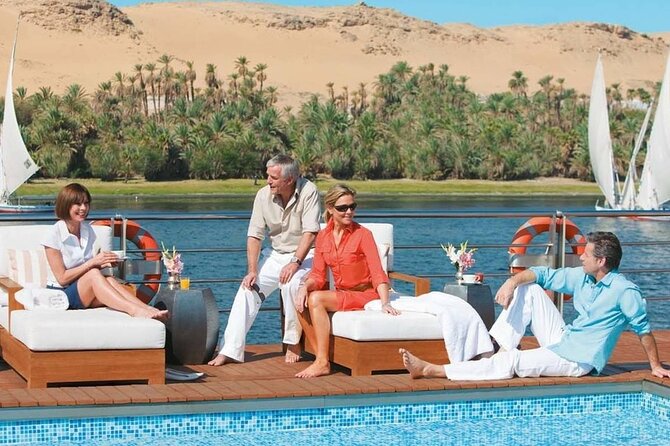
Back on board, the cruise continues north toward Luxor. This is your best stretch of relaxed river time, with lunch, afternoon tea on the sundeck, and views from the deck as the ship moves through the Esna Lock.
Arrival time matters. If the boat reaches the Luxor dock by roughly 3:00 or 3:30 p.m., the schedule may fit both Karnak and Luxor Temple. If the ship arrives later, Luxor Temple is the more certain visit and Karnak moves to the following day.
Luxor Temple is especially good near sunset or after dark. Its columns, statues, and processional avenue take on a different mood when lit in the evening. The site also shows layers from ancient Egyptian worship, Christianity, and Islam, making it more than a single-period monument.
Dinner and a belly-dancing show take place on board. These evening performances are included entertainment, not a substitute for local cultural contact, but they give the cruise a social finish after a long day. You spend the night in Luxor.
More Evening Trips in Aswan
- 4-Day 3-Night Nile Cruise from Aswan to Luxor – Private Tour
★ 5.0 · 369 reviews - 4-Day 3-Night Nile Cruise from Aswan to Luxor With Balloon and Abu Simbel
★ 5.0 · 327 reviews - 2 Night Nile Cruise from Aswan to Luxor
★ 5.0 · 311 reviews - 1 Night Nile Cruise from Aswan to Luxor
★ 5.0 · 229 reviews
Day four: Balloon views and Luxor’s West Bank
The final morning begins around 5:00 a.m. for the hot-air balloon ride. The flight lasts approximately 30 to 45 minutes and offers a view over Luxor’s West Bank, the Nile, fields, temples, and desert hills.
This is often the emotional high point of the trip. From the air, the relationship between the river, cultivated land, and dry desert becomes clear in a way that is difficult to grasp from the ground. Sunrise also gives the monuments soft light before the heat builds.
There are practical limits. A camera is not allowed in the balloon basket, though you can use your cellphone. Children under six cannot take part. If wind or other bad weather cancels the flight, the stated refund is $25 per person.
After the flight, you return for breakfast and check out. The rest of the morning is spent on the West Bank, beginning at the Valley of the Kings.
The valley contains royal tombs cut into the hills during Egypt’s New Kingdom. Your ticket covers site access according to the package arrangements, but individual tomb choices can involve additional fees. One person specifically suggested paying extra for the tomb of Ramesses, so ask your guide which tombs are open and what each ticket covers.
The tombs can be hot, narrow, and visually intense. You are not seeing grand temple courtyards here. You are moving through sloping corridors and underground chambers filled with painted scenes intended to guide a king into the next world.
Next comes the Temple of Hatshepsut at Deir el Bahari. Its terraces rise against the cliffs, and the story of Hatshepsut gives the stop a strong human angle. She ruled as pharaoh and used art and architecture to present her authority in a world usually described through male kings.
The West Bank circuit ends with a photo stop at the Colossi of Memnon. These enormous seated statues once guarded a temple complex that has largely disappeared. The stop is short, but the scale of the figures makes it worthwhile.
Lunch at a local restaurant is optional. The schedule then returns to the East Bank for Karnak Temple if you did not visit it on day three.
Karnak’s 63 acres of stone
Karnak is the largest and most demanding site on the itinerary. The temple complex grew over about 2,000 years and covers roughly 63 acres. Two hours is enough for the major parts, but not enough to inspect every chapel, column, and inscription.
The Great Hypostyle Hall is the star. Its huge columns make you feel very small, which is exactly the point of monumental Egyptian architecture. Obelisks, pylons, open courts, and sacred spaces show how each generation added to the complex.
Karnak can also be tiring after the balloon ride and West Bank visits. Drink water, wear practical shoes, and keep your expectations realistic. You are sampling a vast religious center, not studying every corner.
The day ends with transfer to your chosen Luxor hotel, airport, or railway station, generally around 3:00 to 4:00 p.m. The door-to-door transfer is useful if you have a fixed onward connection, but you should avoid scheduling a tight departure because sightseeing and traffic can shift.
Life on board: food, cabins, and downtime
Meals are included from lunch on the first day through breakfast on the last. Food is served buffet-style, and several people found it plentiful and good, with one rating it around six out of ten. The quality may not match a luxury hotel, but having meals ready after long excursions is a real advantage.
The cruise includes three breakfasts, three lunches, and three dinners. Early departures may come with packed breakfast bags. These are convenient, but the contents can be basic, so carrying a snack from the previous evening is sensible.
The ship offers afternoon tea, a sundeck, an evening disco party, and a belly-dancing show. The free time between stops is valuable, though the packed schedule reduces it more than the phrase three-night cruise might suggest.
Cabins are generally described as clean and maintained. Daily room cleaning is provided. Still, some rooms feel run down, and bathrooms can be claustrophobic. Think of the ship as a practical base with shared public areas rather than a polished luxury resort.
The staff receive especially warm praise for being friendly and attentive. Several accounts describe a welcoming crew, and one birthday group received a cake and decorated cabin. That kind of personal touch can make the boat feel more pleasant.
Guides, tipping, and the human side of the trip
Your guide can shape the entire experience. Mohamed Gobran received repeated praise for clear communication, history explanations, safety, and handling logistics. Mahmoud was praised for sending the next day’s schedule each evening, adjusting plans, and helping with the persistent sales pressure that can come with sightseeing in Egypt.
Ahmed Shawky Ali was described as an Egyptology academic with strong knowledge and careful attention to the group. Ahmed was also praised for history explanations and care. These names are useful because you can ask who will guide your departure, but the assigned guide may differ.
There is one important warning about money. Tips and entrance fees are not included, and at least one person was asked for cash soon after arrival without having received clear advance notice. Ask for a written breakdown before handing over money. Clarify which amount covers tickets, which covers tips, and which payments are optional.
The majority of feedback praises organization, guides, food, and the number of sights covered. A smaller but serious set of complaints concerns missed airport pickup, pressure around cash, poor breakfast bags, expensive drinks, and guide quality. I would not ignore those points simply because the overall score is high.
Who will enjoy this Nile cruise?
I would choose this trip if you want the main Aswan to Luxor sights in a short window and prefer one organized package over separate trains, cars, hotels, and tickets. It suits first-time visitors who want support at every transfer and who value Abu Simbel and the hot-air balloon more than a slow holiday.
It also works well for people who enjoy a full day of sightseeing. You will see a great deal, and the schedule is designed to make the most of limited time.
I would hesitate if you need long mornings, quiet meals, or a luxury cabin. The 4:30 and 5:00 a.m. starts are not occasional accidents. They are built into the route. The boat gives you some rest, but you are still touring hard for four days.
Families should note that children must be with an adult, child pricing applies only when sharing with two paying adults, and a child under six cannot join the balloon ride. Children aged six to eleven can share with parents, with a maximum of two children in one room.
Pickup is included from Aswan east-bank hotels, the airport, and train station. West-bank pickup in Aswan costs an extra $10 per person. In Luxor, east-bank hotel transfers are included, while west-bank hotel drop-off costs an extra $10 per person.
Should you book it?
Book this Nile cruise if your goal is maximum sightseeing with minimum planning. The combination of Abu Simbel, three nights on the river, the Valley of the Kings, and a balloon flight is hard to match at this price, even after adding entrance tickets and tips.
Choose another arrangement if you want slow travel, high-end accommodation, or more time at Abu Simbel. Before paying, confirm the current boat name, ask who your guide will be, request a full cost breakdown, and set aside money for water and gratuities.
My call: this is a strong-value, tightly packed introduction to the Nile. Go in rested, bring cash, accept that the boat is practical rather than luxurious, and you are likely to remember the temples far more than the early alarms.
FAQ
How long is the Nile cruise?
The experience lasts approximately four days and includes three nights aboard a Nile cruise traveling from Aswan to Luxor.
Is Abu Simbel included?
Yes. The tour includes transport to Abu Simbel and an English-speaking guide. Pickup is around 4:30 a.m., and the full excursion takes about nine hours.
Are entrance fees included?
No. Entrance fees are separate and are estimated at around $125 per person for all listed sites.
Is the hot-air balloon ride included?
Yes. The package includes a 30 to 45-minute balloon flight over Luxor’s West Bank. If bad weather cancels the flight, the stated refund is $25 per person.
What meals are included?
Meals begin with lunch on day one and end with breakfast on day four. The package includes three breakfasts, three lunches, and three dinners. Drinks are not included.
What happens if I need to cancel?
You can receive a full refund if you cancel at least 24 hours before the experience begins. Cancellations or changes made within 24 hours are not refunded or accepted.
More Nile Cruises in Aswan
- From Aswan: 4-Day Nile Cruise from Aswan to Luxor with Guide
★ 4.1 · 593 reviews - Private 04 Days Days Nile Cruise from Aswan to Luxor
★ 5.0 · 278 reviews - 4-Day Nile Cruise sails Aswan to Luxor&Abu Simbel.Hot air Balloon
★ 4.5 · 247 reviews - 4-Day Nile Cruise Aswan and Luxor Hot Air Balloon with Abu Simbel
★ 5.0 · 234 reviews
More Hot Air Balloon Rides in Aswan
- 4-Days Nile Cruise From Aswan To Luxor including Abu Simbel and Hot Air Balloon
★ 4.5 · 509 reviews - 4 Days Nile Cruise from Aswan to Luxor including Abu Simbel and Hot Air Balloon
★ 4.5 · 356 reviews - 4-Days Nile Cruise Aswan&Luxor,Hot Air Balloon&Abu Simbel.Hot deal
★ 5.0 · 322 reviews - From Aswan:4 Days Nile Cruise Luxor Abu Simbel & Air Balloon
★ 4.4 · 310 reviews
Just added around Aswan
- Private Aswan Airport Arrival/Departure One Way Transfer★ 4.5 · 23 reviews
- Best of Luxor in 2 Days Hotel,Tours,Felucca,Camel&Balloon by Plane from Cairo★ 5.0 · 23 reviews
- (3-Nights Cruise From Aswan To Luxor & Balloon, Abu Simbel)★ 4.5 · 23 reviews
- Full Day Sharing Trip To Abou simple Temple form Aswan★ 5.0 · 24 reviews
- Enjoy 2 nights Nile cruise from Aswan to Luxor,Hot deal★ 4.5 · 24 reviews
- 3-Day 2-Night Tour to Aswan, Abusimbel & Luxor★ 5.0 · 24 reviews
- 4 Day 3 Night Nile Cruise from Aswan with Abu simbel and Balloon★ 5.0 · 25 reviews
- Day Tour to Abu Simbel from Aswan by Bus★ 4.5 · 25 reviews
Abu Simbel Tours, compared.

4-Days Nile Cruise From Aswan To Luxor including Abu Simbel and Hot Air Balloon
Read our review →
Abu Simbel Temple Private Guided Day Trip with Lunch
Read our review →4-Days Nile Cruise From Aswan To Luxor including Abu Simbel and Hot Air Balloon
Read our review →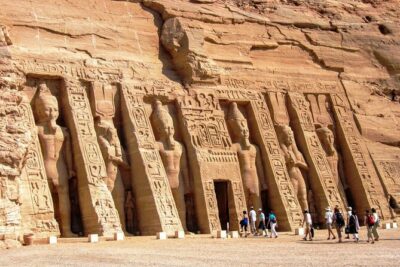
Private Day Tour to Abu Simbel Temples from Aswan
Read our review →4 Days Nile Cruise from Aswan to Luxor including Abu Simbel and Hot Air Balloon
Read our review →