
Reviewed · ABU SIMBEL TOURS
Day Tour to Abu Simbel from Aswan by Bus
Abu Simbel is worth the brutal alarm. I like the door-to-door pickup and the air-conditioned minibus, and I like having an Egyptologist guide point out details you could easily miss. The main catch is the very early start, plus possible delays that can shrink your time at the temples.
This is a practical, low-cost way to reach one of Egypt’s great ancient sites without arranging transport yourself. The price is $52 per person, but you still pay the entrance fee, and you should confirm your pickup time carefully, especially if you are staying on Aswan’s West Bank or in a hard-to-reach Nubian village.
In This Review
- Key points before you book
- Why Abu Simbel is worth the long ride from Aswan
- The 4:00 am pickup and the road south
- Arriving at the Abu Simbel Temple Complex
- The remarkable rescue of the temples
- What the guide adds to the visit
- Price, private groups, and what you actually receive
- Who will enjoy this Abu Simbel day trip
- Tips for getting more from the eight-hour day
- Should you book this Abu Simbel tour?
- FAQ
- What time does the tour start?
- How long does the tour last?
- Where is pickup available?
- Is temple admission included?
- What transport is used?
- Which temples will I visit?
- Can I cancel for a full refund?
Key points before you book
- The alarm rings at 4:00 am: The drive from Aswan takes about three hours each way, so this is a long and tiring day.
- You visit both Abu Simbel temples: The Great Temple of Ramses II and the smaller Temple of Hathor are included in the stop.
- Transport is simple and useful: Pickup and return are offered from Aswan hotels and Nile cruise boats in an air-conditioned minibus.
- The guide adds real value: An Egyptology guide explains the statues, gods, hieroglyphics, and the temple relocation project.
- Entry costs extra: Your booking includes transport, taxes, guide service, and the Abu Simbel vehicle license, but not admission tickets.
- Timing needs attention: Most of the day is spent on the road, and one delayed departure left a visitor with only 75 minutes at the temples.
Why Abu Simbel is worth the long ride from Aswan
Abu Simbel is not a quick side trip. It lies far south of Aswan, and the usual road journey takes around three hours in each direction. Add the early pickup, temple visit, and return drive, and you have an eight-hour outing that begins before sunrise.
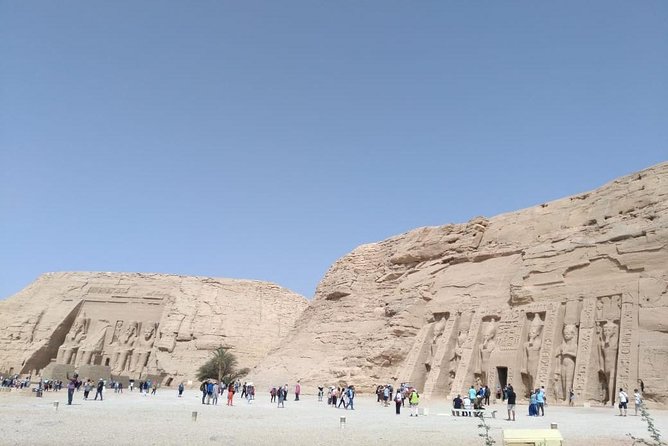
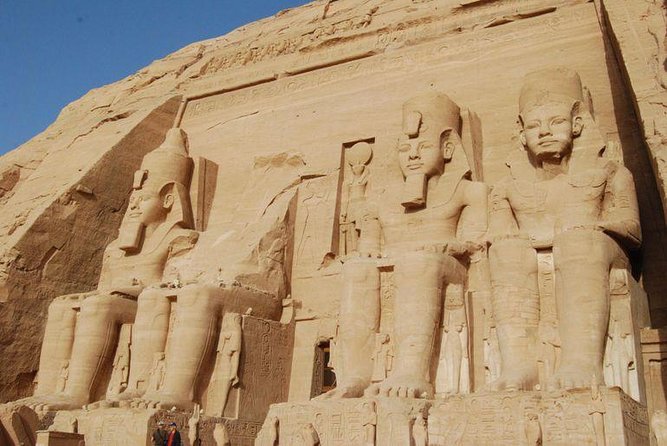
I still think the trip earns its place on an Egypt itinerary. The two temples were cut into the rock during the reign of Ramses II, and their scale is meant to impress before you even understand the details. Four huge seated figures guard the entrance to the Great Temple, while the smaller Temple of Hathor honors both Hathor and Queen Nefertari.
The setting gives the visit extra drama. You cross the desert from Aswan, often catching the first light of day along the road, then arrive at two monumental temples built beside Lake Nasser. The journey is tiring, but the destination is not ordinary sightseeing. This is one of the few Egyptian sites that can make you stop talking for a minute.
More ways to reach Abu Simbel:
- 4-Days Nile Cruise From Aswan To Luxor including Abu Simbel and Hot Air Balloon
★ 5.0 · 3,142 reviews - From Aswan: Abu Simbel Temple Day Trip with Hotel Pickup
★ 4.4 · 2,807 reviews - 4-Day 3-Night Nile Cruise from Aswan to Luxor&Abu Simbel+Balloon
★ 5.0 · 2,023 reviews
The 4:00 am pickup and the road south
The day begins with pickup from your Aswan hotel or Nile cruise boat. The service is designed to be door to door, which saves you from finding a taxi in the dark or arranging a separate driver.
The minibus is air-conditioned, a major comfort in southern Egypt. Previous departures have included vehicles with enough room for passengers and basic comfort, though this is still budget transport rather than a luxury coach. Bring a small cushion if you like to sleep in vehicles, and keep water, snacks, sunglasses, and a light layer within reach.
The road takes about three hours each way. Guides and drivers have made restroom and water stops on some departures, but you should not count on a long breakfast stop. A pickup at 4:00 am also means you may want to arrange breakfast with your hotel the night before.
Timing is the biggest practical issue. Several outings have run smoothly, with drivers arriving on time and returning people as planned. One departure left Aswan nearly an hour late, reducing temple time to about 75 minutes. That is enough to see both buildings, but not enough for a relaxed visit.
I would message the operator through the booking platform before the day of departure. Confirm the pickup hour, the exact hotel entrance, and the expected return time. This is especially important if you are staying in a Nubian village, where the minibus may not be able to reach the hotel road. In that case, your accommodation may need to arrange a nearby meeting point.
Arriving at the Abu Simbel Temple Complex
The stop at Abu Simbel centers on two temples built under Ramses II during Egypt’s New Kingdom. The Great Temple is the larger and more imposing of the pair. Its entrance is framed by four colossal figures of Ramses II, each seated and wearing royal regalia.
Inside, the walls carry scenes of battles, religious ceremonies, offerings, and royal power. The temple was dedicated to Ptah, Re-Horakhty, Amun-Re, and Ramses II himself. A guide can help you locate key hieroglyphics and wall scenes instead of leaving you to scan hundreds of carved surfaces without context.
The smaller Temple of Hathor is dedicated to Hathor and Queen Nefertari. Its facade includes large statues of the royal couple, with Nefertari shown at a scale unusual for Egyptian royal art. It is smaller than the Ramses temple, but do not treat it as a quick extra. Many people find its proportions and carved decoration just as appealing.
Your guide normally explains both temples and then allows time for photographs. Guides have also helped with family pictures and given visitors free time to look around independently. That balance works well. You get an explanation of what you are seeing, but you are not forced to remain beside the guide for every minute.
The visit itself may feel crowded, especially if several minibuses and coaches arrive together. Abu Simbel is a major stop on the southern Egypt route, and departures tend to converge around the same time. You cannot control the crowd, but an early pickup gives you a better chance of reaching the site before the day becomes hotter.
The remarkable rescue of the temples
The temples you see today are not in their original position. When the Aswan High Dam created Lake Nasser, rising water threatened Abu Simbel along with more than 28 ancient monuments.
Egypt worked with UNESCO on a huge rescue effort. The temples were dismantled and rebuilt on higher ground, preserving the carved rooms and facades for future generations. The work changed the setting, but it saved the monuments from being covered by the reservoir.
This modern chapter matters because Abu Simbel is not only a display of ancient royal power. It is also one of the best-known examples of international cooperation to protect an archaeological site. A good Egyptologist guide will connect the ancient construction with the modern relocation, giving you a fuller sense of why the site looks the way it does today.
The tour includes a license for Abu Simbel, along with taxes and service charges. That wording does not mean your entry ticket is included. Admission is an extra cost, and several visitors have found the tickets expensive. Ask your guide for the current price before handing over money, and check the ticket type carefully if you qualify for a student rate.
More things to do in Aswan:
- 4-Day 3-Night Nile Cruise from Aswan to Luxor including Abu Simbel, Air Balloon
★ 4.5 · 612 reviews - From Aswan: 3-Day Cruise to Luxor with Hot Air Balloon
★ 4.3 · 598 reviews - From Aswan: 4-Day Nile Cruise from Aswan to Luxor with Guide
★ 4.1 · 593 reviews - 4-Days Nile Cruise From Aswan To Luxor including Abu Simbel and Hot Air Balloon
★ 4.5 · 509 reviews
What the guide adds to the visit
Without a guide, you will still see enormous statues and impressive carvings. With a good guide, the visit becomes easier to follow. You can learn which gods appear on the facade, why Ramses II dominates the Great Temple, and where to look for notable scenes inside.
The guide service is listed as Egyptology commentary, and the strongest departures have included patient guides who answered questions, explained local culture, and allowed time for pictures. Spanish-language service has also been available on some trips, including guides named Khaled and Alcalde. Assignments can change, so do not assume a particular guide will be provided unless the operator confirms it.
The guide may meet you at Abu Simbel rather than ride from Aswan for the full journey. That arrangement can work well, but it means you should confirm who will be with you during the road trip and who will lead the temple visit.
A small concern is that guide quality and communication have not been identical on every departure. One passenger reported a problem with a ticket charge, while another praised the guide but criticized the late pickup. These are useful reminders to keep costs and timing clear at the start.
Price, private groups, and what you actually receive
At $52 per person, this is an attractive price for transport from Aswan, a guide at Abu Simbel, and return service. You avoid hiring a private car for the full desert drive, and you do not need to negotiate with a driver before dawn.
The booking is described as a private activity for your own group, even though the transport is a minibus and the price structure may offer group discounts. That distinction matters. You are not necessarily joining a large sightseeing bus, but the vehicle can still include the people in your booking party or associated arrangements. Ask how many people will share your minibus if group size affects your decision.
The price does not include temple admission or tipping. You should budget for both. Tipping is recommended, and the guide and driver are separate parts of the service, so carry small Egyptian pound notes if possible.
For the money, the tour offers good value if your priority is safe, simple transport and a short guided visit. It is less appealing if you want long photography sessions, a leisurely meal, or the freedom to set your own departure time. A private car arranged independently may give you more control, but it will usually cost more than this budget option.
Who will enjoy this Abu Simbel day trip
I would recommend it to first-time visitors who are staying in Aswan for a short period and want the simplest way to see Abu Simbel. It also suits families, couples, and small groups who prefer a booked pickup instead of arranging a driver themselves.
The tour can work well for cruise passengers, since pickup from a Nile cruise boat is included. Just confirm that your boat will be accessible at the stated 4:00 am pickup time.
You should think twice if you dislike early mornings or long road journeys. Three hours in a minibus each way is a lot of sitting, and a late departure can make the temple visit feel rushed. People with a fixed afternoon connection or another booked excursion should leave plenty of spare time after the scheduled return.
The East Bank pickup is included for Aswan hotels. West Bank pickup costs an additional $10 per person, and Nubian village accommodations may require a separate meeting point. These details are small, but they can make the difference between a calm start and a dawn scramble.
Tips for getting more from the eight-hour day
- Confirm pickup through the booking platform message system before bedtime.
- Ask for the exact entrance-ticket price and ticket category before payment.
- Bring water, snacks, sun protection, and a charged phone.
- Wear shoes suited to walking around temple grounds.
- Keep valuables with you during stops and do not leave important items in the vehicle.
- Tell the guide early if you need more time for photographs.
- If you have a Spanish-speaking guide preference, request it in advance, but understand that availability is not guaranteed.
- Do not schedule another important activity too soon after the expected return.
The cancellation terms are reasonable for a fixed early-morning trip. You can receive a full refund if you cancel at least 24 hours before the local start time. Changes or cancellations inside that window are not accepted.
Should you book this Abu Simbel tour?
Book it if you want a low-cost, organized route from Aswan to the temples and you accept the 4:00 am start. The air-conditioned minibus, hotel or cruise pickup, Egyptology guide, and return transfer cover the essentials without a large transport bill.
I would be cautious if your schedule is tight. Confirm the pickup, ask how much time is planned at the site, and leave room for delays. The strongest experiences have combined punctual drivers, helpful guides, and enough free time for photographs. The weaker ones suffered from a late start or unclear ticket handling.
For most people with one free day in Aswan, Abu Simbel is worth the effort. Just treat this as a long road trip with a magnificent stop, not as a relaxed half-day outing.
FAQ
What time does the tour start?
Pickup begins at 4:00 am.
How long does the tour last?
The experience lasts approximately eight hours.
Where is pickup available?
Pickup is available from hotels and Nile cruise boats in Aswan. Hotels on the East Bank are included, while West Bank pickup costs an extra $10 per person.
Is temple admission included?
No. Entrance fees are not included and must be paid separately.
What transport is used?
Transfers are provided by an air-conditioned minibus.
Which temples will I visit?
You will visit the Great Temple of Ramses II and the Temple of Hathor at the Abu Simbel Temple Complex.
Can I cancel for a full refund?
Yes. You can cancel at least 24 hours before the local start time for a full refund. Cancellations or changes made less than 24 hours before departure are not accepted.
Just added around Aswan
- Private Day Tour to Abu Simble Temple from Aswan★ 4.5 · 23 reviews
- Nile Cruise 2 Nights from Aswan to Luxor with Hot air Balloon★ 4.5 · 23 reviews
- Private Aswan Airport Arrival/Departure One Way Transfer★ 4.5 · 23 reviews
- Best of Luxor in 2 Days Hotel,Tours,Felucca,Camel&Balloon by Plane from Cairo★ 5.0 · 23 reviews
- (3-Nights Cruise From Aswan To Luxor & Balloon, Abu Simbel)★ 4.5 · 23 reviews
- Full Day Sharing Trip To Abou simple Temple form Aswan★ 5.0 · 24 reviews
- Enjoy 2 nights Nile cruise from Aswan to Luxor,Hot deal★ 4.5 · 24 reviews
- 3-Day 2-Night Tour to Aswan, Abusimbel & Luxor★ 5.0 · 24 reviews
Abu Simbel Tours, compared.

4-Days Nile Cruise From Aswan To Luxor including Abu Simbel and Hot Air Balloon
Read our review →
4-Day 3-Night Nile Cruise from Aswan to Luxor including Abu Simbel, Air Balloon
Read our review →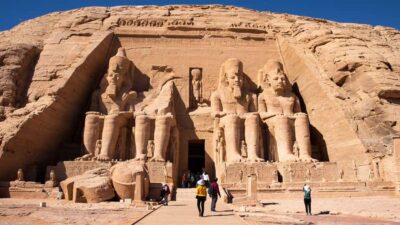
Abu Simbel Temple Private Guided Day Trip with Lunch
Read our review →4-Days Nile Cruise From Aswan To Luxor including Abu Simbel and Hot Air Balloon
Read our review →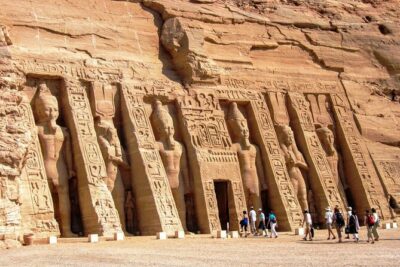
Private Day Tour to Abu Simbel Temples from Aswan
Read our review →4 Days Nile Cruise from Aswan to Luxor including Abu Simbel and Hot Air Balloon
Read our review →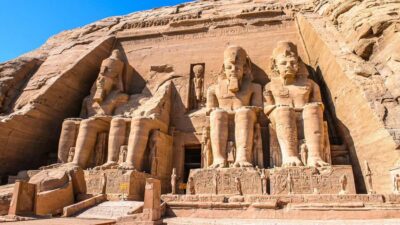
Browse the lists this tour appears in