
Reviewed · ABU SIMBEL TOURS
3 Nights Cruise Luxor to Aswan including Abu Simbel & Hot Air Balloon from Luxor
Egypt is best seen from the river. This four-day cruise links Luxor, Edfu, Kom Ombo, Aswan, and Abu Simbel in one tightly packed trip, with an Egyptologist guide, air-conditioned transfers, full-board meals, and a hot air balloon flight over Luxor. I especially like the excellent range of ancient sites and the mix of transport, from Nile boats to horse carriages and motorboats. The main caution is that entrance tickets, drinks, and tips are extra, so the advertised price is not the final cost.
I also like the way this trip includes experiences that are easy to arrange poorly on your own, particularly the early balloon flight and the long drive to Abu Simbel. Guides such as Ravi, Talaat, Mahmoud, Mohamed Gobran, and Michael have earned strong praise for explaining the monuments clearly and looking after small groups. Still, the cruise quality can vary, and some travelers have faced old cabins, diesel fumes, pressure to buy extras, or confusing changes to the schedule.
In This Review
- Quick facts about the Luxor to Aswan cruise
- What the $410 price really buys you
- Day one: Howard Carter, the Valley of the Kings, and Hatshepsut
- Day two: Balloon views, Karnak, and the start of the cruise
- Day three: Edfu by carriage and Kom Ombo at sunset
- Day four: Abu Simbel, Philae, and the High Dam
- Guides, group size, and how the sightseeing feels
- Practical costs, comfort, and small annoyances
- Who should book this Nile cruise?
- Final verdict: excellent sightseeing value with a careful budget
- FAQ
- How long is the cruise from Luxor to Aswan?
- Is the hot air balloon ride included?
- Are temple entrance fees included?
- Are meals included on the cruise?
- Is Abu Simbel part of the package?
- What happens if the balloon flight is canceled?
Quick facts about the Luxor to Aswan cruise
- A hot air balloon over Luxor gives you an early view of the Nile, fields, and ancient monuments from above.
- Howard Carter’s house adds a personal link to the discovery of Tutankhamun’s tomb.
- A maximum group size of 15 keeps the sightseeing more manageable than a large coach tour.
- Three nights aboard a five-star cruise boat include breakfast, lunch, and dinner, but not necessarily drinking water.
- Abu Simbel requires a 5 a.m. start and a long day, but it is one of Egypt’s great temple visits.
- The $410 price is a useful starting point, not a complete trip budget, because site tickets, drinks, and tips are excluded.
What the $410 price really buys you
At $410 per person, this is strong value if you want to see the major Nile sights in a short period. The package includes three nights in a cruise cabin, meals from lunch on the first day through breakfast on the fourth, transfers, local transport, an Egyptologist guide, a motorboat, horse and carriage transport, the balloon flight, and a shared Abu Simbel excursion with an English-speaking guide.
That is a lot of coordination for one price. You do not need to arrange separate transport between Luxor’s east and west banks, find a boat to Philae, or work out how to reach Abu Simbel from Aswan. The air-conditioned coach is especially useful in Egypt’s heat, and the small group limit should make it easier to hear your guide and keep moving.
The price does not cover entrance fees to the temples and other sights listed in the program. This point needs careful attention. Some schedule entries show admission as free, but the package details clearly say that entrance fees are not included. Budget extra cash for tickets, and confirm the current total before you go.
Drinks are another expense. Several people found that water was not supplied with meals and had to buy bottles aboard the ship, sometimes at higher prices than on land. In a hot country, that is not a minor detail. Carry Egyptian pounds or another accepted form of cash for water, small purchases, and tips.
Tipping is also part of the practical cost. You will likely tip guides, drivers, boat staff, and people who help with bags or transport. The amount varies, but you should carry plenty of small notes and decide your own daily budget before the trip begins.
More Boat Trips in Luxor
- Hurghada: 2-Day Luxor Tour with Hotel, Balloon, & Boat Ride
★ 4.5 · 1,113 reviews - From Luxor: 3-Night Nile Cruise to Aswan and Hot Air Balloon
★ 3.7 · 297 reviews - Amazing Sunset sailing by Felucca in Luxor -2 Hours (Private)
★ 5.0 · 255 reviews
Day one: Howard Carter, the Valley of the Kings, and Hatshepsut
The first day connects modern Egypt with the famous discovery of Tutankhamun’s tomb. The visit to Howard Carter’s house is a distinctive touch. Carter lived there while working in the Valley of the Kings, and the site helps explain the man behind the discovery rather than focusing only on the tomb itself.
The story begins with Carter and his Egyptian worker looking through a small opening. Carter was asked if he could see anything, and his answer about seeing great things became one of archaeology’s best-known moments. That connection gives the visit more personality than another stop at a polished monument.
You then cross to Luxor’s west bank by motorboat. This is a pleasant way to get across the Nile, with open air and a closer look at daily life along the river. It also avoids the fuss of arranging a taxi across town.
The Valley of the Kings is the major stop. You will see the desert burial area where pharaohs were placed in decorated underground tombs. Entrance to the specific tombs is handled separately, so ask your guide which tickets are covered by your purchase and which are not. Time can be limited here, especially if the group has several later stops.
Next comes Hatshepsut’s temple, one of the most striking monuments on the west bank. Its broad terraces rise against the cliffs, and the story of Hatshepsut gives your guide plenty to explain. She ruled as pharaoh at a time when that position was usually held by men, making her story one of the most interesting parts of the day.
The schedule is full, and some tours also include a stop at an alabaster workshop or other shopping venue. If you are not interested in buying anything, ask how much time this will take. A shop visit should not cut into your time at the Valley of the Kings or Hatshepsut’s temple.
Day two: Balloon views, Karnak, and the start of the cruise
Day two begins very early with a transfer to the river and a motorboat ride to the west bank for the hot air balloon flight. Exact departure times depend on the operation and weather, but the early start is essential for the balloon experience.
From the basket, you can see Luxor’s ancient monuments, the Nile, cultivated fields, and the dry desert beyond. This is not just a pleasant photo opportunity. It gives you a useful sense of how narrow the fertile river corridor is and how closely ancient settlements depended on the Nile.
The flight is weather dependent. If it is canceled because of bad weather, the stated refund is $25 per person. That is helpful, but it is not the same as receiving a replacement activity, so keep your expectations flexible.
After the balloon ride, the day turns to Luxor’s east bank and Karnak Temple. Karnak is a huge religious complex rather than a single building. Its columns, courtyards, gateways, and remaining statues can feel overwhelming without a good guide, which is why the quality of the explanation matters here.
Luxor Temple follows. It is more compact than Karnak and especially atmospheric when you understand its connection to royal ceremonies and the ancient city. The contrast between the two temples works well: Karnak shows scale, while Luxor Temple gives you a more concentrated visit.
The cruise begins after the sightseeing. From the deck, the Nile becomes the main attraction. Green farmland, small islands, village life, and changing light replace the traffic of Luxor. The ship passes through the Esna lock before continuing toward Edfu.
Evenings are part of the package’s appeal. A galabia party and belly-dancing show are listed among the activities, giving you a light cultural program after a day of temples. The boat also has a rooftop pool, sunbeds, and places to watch the river pass. This helps balance the early mornings and long visits.
Day three: Edfu by carriage and Kom Ombo at sunset
Edfu Temple is reached by traditional horse and carriage. The ride is a memorable part of the morning, but it also raises an ethical concern. Some horses have been seen in poor condition, and you may prefer to ask if a tuk-tuk or another transfer is available. The supplied details indicate that alternatives have been arranged for people who did not want to use the carriages.
The Temple of Horus at Edfu is one of the best-preserved major temples in Egypt. Its walls retain large reliefs and inscriptions, and the structure gives you a clearer idea of how an ancient temple looked than many sites reduced to fragments. Allow your guide time to explain the scenes instead of rushing only to take photographs.
Back aboard the ship, you continue toward Kom Ombo. This sailing section is one of the most relaxing parts of the program. After several active mornings, an hour on deck with the river moving past is welcome.
Kom Ombo is visited around sunset. The temple has an unusual double design, connected with two gods and two sets of religious functions. The fading light can make the columns and reliefs especially appealing, though the visit may feel short if the group arrives close to closing time.
The itinerary then continues toward Aswan for the overnight stay. This is another busy day, but the distances are manageable because the cruise does much of the work while you are eating, resting, or watching the river.
Food aboard the ship receives mixed but generally positive comments. Several people found it plentiful and good, while others wanted more Egyptian or Arabic choices. You should expect buffet-style meals rather than a restaurant menu, and you should not assume that water or soft drinks are included.
Cabins generally have the basic facilities needed for three nights, and some people received comfortable upgraded suites. At the same time, complaints include old fittings, broken shower tiles, unusual cleaning smells, occasional brown water, weak air conditioning, and engine noise. Rooms may not have private balconies, and diesel fumes can be noticeable when ships are docked side by side with their engines running.
More Hot Air Balloon Rides in Luxor
- Hot Air Balloon Ride in Luxor Egypt with Transfers Included
★ 5.0 · 4,319 reviews - Luxor: Hot Air Balloon Ride over Luxor Relics
★ 4.8 · 1,681 reviews - Luxury Sunrise Balloon Ride in Luxor with Hotel Pickup
★ 5.0 · 1,104 reviews - Luxor: Morning Hot Air Balloon Ride
★ 4.4 · 736 reviews
Day four: Abu Simbel, Philae, and the High Dam
The Abu Simbel excursion begins around 5 a.m. This is the hardest start of the trip, but the reward is one of southern Egypt’s most powerful ancient sites. The great temple facade, with its enormous seated figures of Ramses II, is instantly recognizable. The nearby temple dedicated to Nefertari gives the visit added depth.
The return to Aswan is scheduled for about 1:30 p.m., followed by a motorboat to Philae Island. Philae is reached by water, which makes the approach part of the experience. Its temple complex was moved to higher ground after the construction of the High Dam, a major modern engineering project that also reshaped the Nile and created Lake Nasser.
The High Dam is the final major sight before your transfer to an Aswan hotel, train station, or airport. Because Abu Simbel and Philae are both substantial stops, this final day is not a slow farewell. Arrange onward travel with care and allow room for delays, especially if you have a flight.
Guides, group size, and how the sightseeing feels
The strongest part of this experience is often the guide. Ravi is praised for being friendly, well informed, and attentive. Talaat is described as passionate and careful with questions. Mohamed Gobran, Mahmoud, Michael, and other guides are also praised for making the temples easier to understand and keeping the mood relaxed.
That said, guide quality is not perfectly consistent. One day may feel lively and detailed, while another guide may rush the explanations. Some participants also experienced guide changes without much notice, or received a different language from the one requested.
A group of up to 15 is a reasonable compromise. It keeps the price down but is still small enough for a guide to manage. You will not have complete control over the pace, so tell the guide early if you need extra photo time or have mobility concerns.
Shopping stops deserve a polite but firm approach. Workshops can be useful if you want to see how alabaster products are made, but they can also feel like sales stops. Keep track of the time and remember that buying is optional.
Practical costs, comfort, and small annoyances
The cruise offers a good base for the money, but you should prepare for a few irritations.
- Carry drinking water or buy it before boarding if possible.
- Bring small cash for tips, toilets, carriage rides, and minor help.
- Ask in writing which tickets are excluded.
- Confirm the language of your guide before departure.
- Keep your passport arrangements clear and ask when it will be returned if the boat collects it for registration.
- Pack earplugs if you are sensitive to engine noise or activity around the ship.
- Bring sun protection, a hat, and sturdy shoes for temple floors and early departures.
The cruise is not a luxury hotel at sea. It is a working Nile boat with a pool, deck seating, buffet meals, and comfortable enough cabins, but standards can vary. Some people found the boat excellent, while others found it dated. Your experience may depend on the particular vessel assigned and the cabin location.
The cancellation policy is generous: you can cancel up to 24 hours before the start for a full refund, subject to the stated conditions. The operator can also require a minimum number of participants and offer a new date or refund if that minimum is not met.
Who should book this Nile cruise?
I would recommend this trip to a first-time Egypt visitor who wants the main Luxor to Aswan sights in four days without arranging every transfer alone. It suits active people who can manage early starts, long sightseeing days, and a pre-dawn drive to Abu Simbel.
It is also a good fit if you value a guide and want cultural context at each temple. The trip gives you a useful mix of ancient monuments, river views, local transport, evening entertainment, and time aboard the ship.
I would be more cautious if you want a polished luxury cruise, quiet cabins, included drinks, or a slow schedule. You should also think twice if you dislike sales stops, tipping customs, or last-minute itinerary changes.
Final verdict: excellent sightseeing value with a careful budget
This Luxor to Aswan cruise packs an impressive amount into four days. The balloon flight, Howard Carter’s house, Edfu, Kom Ombo, Philae, and Abu Simbel give the trip more variety than a basic temple cruise. The best guides can turn the monuments from piles of stone into understandable stories, and the Nile itself provides welcome breathing space between visits.
The $410 starting price is appealing, but plan for entrance tickets, water, drinks, and tips. Ask direct questions about the assigned boat, guide language, cabin location, and exact ticket costs before paying.
Book it if your priority is seeing a lot of Egypt efficiently. Choose another option if comfort, fixed arrangements, and transparent all-inclusive pricing matter more than coverage. For a first Nile trip, this is a strong value, provided you arrive prepared for the extra expenses and occasional rough edges.
FAQ
How long is the cruise from Luxor to Aswan?
The experience lasts approximately four days and includes three nights aboard the cruise boat.
Is the hot air balloon ride included?
Yes. The hot air balloon ride over Luxor is included. Children younger than six years old are not allowed to take the balloon flight.
Are temple entrance fees included?
No. Entrance fees to the listed sightseeing locations are excluded and must be paid separately.
Are meals included on the cruise?
Yes. The package includes three breakfasts, three lunches, and three dinners. Meals begin with lunch on the first day and finish with breakfast on the last day.
Is Abu Simbel part of the package?
Yes. The trip includes a shared small-group excursion to Abu Simbel with an English-speaking guide. The visit starts at approximately 5 a.m. on the fourth day.
What happens if the balloon flight is canceled?
If bad weather causes the balloon trip to be canceled, the stated refund is $25 per person.
More Ways to Reach Abu Simbel
- Luxor: Abu Simbel Temple Private Guided Day Trip with Lunch
★ 4.6 · 546 reviews - 4 Days Aswan and Luxor Nile cruise&Abu Simbel by plane from Cairo
★ 5.0 · 155 reviews - 4 Nights Luxor to Aswan Nile cruise with Abu Simbel&Air Balloon
★ 5.0 · 155 reviews - Luxor: Edfu, Kom Ombo, Abu Simbel Private Tour & Entry Fees
★ 4.2 · 112 reviews
Just added around Luxor
- Private Tour foll day to East and West Banks of Luxor★ 5.0 · 23 reviews
- East and West Bank Luxor★ 5.0 · 23 reviews
- Full Day Tour to Luxor (East & West Bank)★ 5.0 · 23 reviews
- Big brother travel★ 5.0 · 23 reviews
- Luxor Day Tour :Valley of Kings & queen & Hatshepsut & Habu city★ 5.0 · 23 reviews
- Luxor: Scenic Camel or Horse Ride★ 3.9 · 24 reviews
- From Cairo: 4-Day Nile Cruise from Aswan to Luxor with Meals★ 4.4 · 24 reviews
- Traditional Egyptian Breakfast at the AlHabib Arabian Horse Farm★ 5.0 · 24 reviews
Abu Simbel Tours, compared.

4-Days Nile Cruise From Aswan To Luxor including Abu Simbel and Hot Air Balloon
Read our review →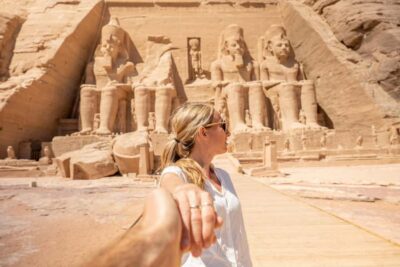
4-Day 3-Night Nile Cruise from Aswan to Luxor including Abu Simbel, Air Balloon
Read our review →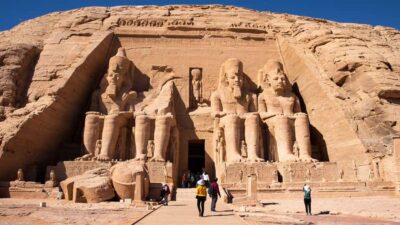
Abu Simbel Temple Private Guided Day Trip with Lunch
Read our review →4-Days Nile Cruise From Aswan To Luxor including Abu Simbel and Hot Air Balloon
Read our review →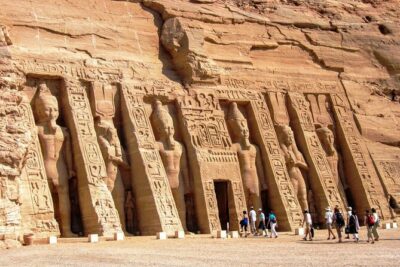
Private Day Tour to Abu Simbel Temples from Aswan
Read our review →4 Days Nile Cruise from Aswan to Luxor including Abu Simbel and Hot Air Balloon
Read our review →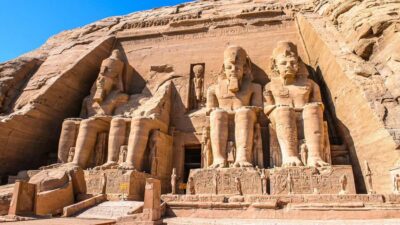
Browse the lists this tour appears in