
Reviewed · NILE CRUISES
4 Day Nile Cruise from Cairo to Aswan and Luxor
Egypt in four busy days. This package combines domestic flights, three nights aboard a Nile cruise, private transfers, and guided visits to some of Upper Egypt’s finest temples. I especially like the chance to see Philae, Kom Ombo, Edfu, Luxor, and Karnak without arranging each transfer yourself. The onboard meals, swimming pool, and afternoon tea also give you a welcome break from the heat.
The main consideration is pace. Abu Simbel begins around 5:00 AM, the Luxor sightseeing days start early, and several major sites are packed into short visits. I also recommend checking which extras are included before paying, since Abu Simbel admission is listed separately and the hot-air balloon appears in the schedule but may count as an optional tour.
In This Review
- Key Points Before You Book
- What the $1,555 Price Really Covers
- Day One: Philae, the High Dam, and Aswan’s Ancient Quarries
- Day Two: Abu Simbel Before Breakfast
- Day Three: Edfu by Horse Carriage and the Esna Lock
- Day Four: Hot-Air Balloon and the West Bank
- Guides, Comfort, and the Private-Tour Advantage
- Who Will Like This Nile Cruise Most?
- Should You Book This Four-Day Nile Cruise?
- FAQ
- How long is the Nile cruise experience?
- Are domestic flights included?
- What meals are included?
- Is Abu Simbel included in the itinerary?
- Which temples are visited?
- Is the tour private?
- Is the hot-air balloon ride included in the price?
Key Points Before You Book
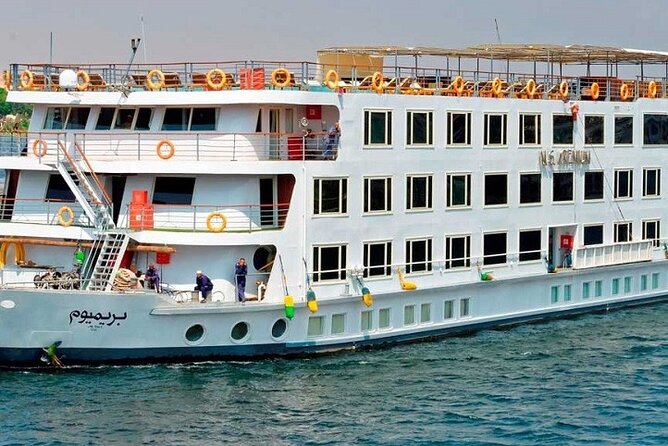
- Three nights on a full-board Nile cruise: Breakfast, lunch, dinner, and afternoon tea are included, with an onboard swimming pool for downtime.
- Cairo to Aswan and Luxor to Cairo flights: Domestic flights are included, along with private air-conditioned transfers.
- Five major temple areas in four days: Philae, Kom Ombo, Edfu, Luxor, and Karnak form the core of the sightseeing.
- A 5:00 AM Abu Simbel outing: This is one of Egypt’s great ancient sites, but it creates the toughest morning of the trip.
- Private English-speaking Egyptologist guide: The private format lets your group ask questions and adjust the pace more easily than a large coach tour.
- A very full Luxor finale: The Valley of the Kings, Hatshepsut’s temple, Colossi of Memnon, Karnak, and Luxor Temple may all be covered before departure.
What the $1,555 Price Really Covers
At $1,555.22 per person, this is not a budget cruise. The value comes from the amount bundled into the price rather than from the cruise alone.
You receive three nights aboard the ship on a full-board basis, domestic flights from Cairo to Aswan and from Luxor to Cairo, private air-conditioned vehicle transfers, an English-speaking Egyptologist, assistance during the excursions, and entrance fees to the sights between Aswan and Luxor. That removes several of the most awkward pieces of an Egypt trip: arranging flights, finding drivers, negotiating local transport, and deciding how to connect each temple.
I think the package makes the most sense if you have limited time in Egypt and want one company to handle the moving parts. It is less compelling for an independent visitor who already has flights and hotels arranged, or for someone who prefers a slow cruise with long afternoons and few organized visits.
There are two cost details to watch. Tipping is not included, and optional tours may require an additional payment. Abu Simbel is specifically listed with admission not included, so ask for the current cost. The hot-air balloon is presented as part of the fourth-day program, but its inclusion is not clear in the details provided. Confirm this before you book.
The private format adds value. Your group participates alone, and the vehicle and guide are arranged for your party rather than for a large shared bus. That should make it easier to pause for photos, ask questions, or request a little more time at a particular site, although the ship’s sailing schedule still limits how flexible the day can be.
More Boat Trips in Cairo
- Cairo: Dinner Cruise on the Nile River with Entertainment
★ 4.2 · 2,190 reviews - Cairo: Nile Sunset Dinner Cruise, Show & Optional Transfer
★ 4.1 · 2,184 reviews - Cairo: Nile Dinner Cruise with Belly Dancer Show with Pickup
★ 4.4 · 835 reviews
Day One: Philae, the High Dam, and Aswan’s Ancient Quarries
The first day begins in Aswan, reached by domestic flight from Cairo. Pickup is provided, and the sightseeing starts with a motorboat ride across the Nile to Philae Temple.
Philae sits on an island, which makes the boat ride part of the pleasure rather than just a transfer. The temple complex is dedicated mainly to Isis and is admired for its setting as well as its carved columns and gateways. Your guide can help explain how the temple was moved when the construction of the Aswan High Dam threatened to flood its original location.
The boat crossing also gives you an early look at the different character of the Nile around Aswan. Nubian culture is an important part of the city’s identity, and the evening Nubian party aboard the cruise is intended to add a local cultural note after the ancient sites.
Next comes the Aswan High Dam. Built between 1960 and 1970, it reshaped the flow of the Nile and created Lake Nasser. The stop is more modern engineering lesson than ancient monument, but it helps explain why several archaeological sites in southern Egypt had to be protected or relocated.
The Unfinished Obelisk follows. This enormous granite monument remains attached to the quarry floor, giving you a clear look at how ancient stoneworkers cut and shaped hard granite. The visit usually works best with a guide who can point out the cracks that ended the project and explain why Aswan granite mattered to royal building programs.
The schedule allows about two hours at Philae, one hour at the dam, and one hour at the obelisk. After the visits, you check in aboard the cruise, have lunch, and get time to rest. That pause matters because the next morning starts very early.
A small practical warning: the day combines a flight, three sightseeing stops, a boat ride, and cruise check-in. Keep your first day simple. Comfortable shoes, sun protection, and water will make the transition much easier.
Day Two: Abu Simbel Before Breakfast
The Abu Simbel excursion begins around 5:00 AM and lasts about seven hours. It is the most demanding part of the trip, but also one of the biggest rewards.
The two temples were built by Ramesses II and are famous for their enormous seated figures carved into the rock face. Inside, the scale changes from monumental statues to decorated halls and chambers. The site is far enough from Aswan that the early departure is unavoidable within this schedule.
Because Abu Simbel admission is not included, budget for that separately. The long outing also means you should carry water, a hat, sunscreen, and anything you need for an early start. The schedule says you return to Aswan around 1:00 PM, leaving the cruise to sail toward Kom Ombo.
That afternoon is when the river becomes the main attraction. You can watch the Nile scenery from the deck and see the contrast between cultivated riverbanks and dry desert beyond. The cruise offers meals and, according to the description, an onboard swimming pool and afternoon tea. These are not minor extras on a schedule like this. They give you a place to cool down and recover without adding another organized activity.
Kom Ombo is the day’s second major site. Its temple is unusual because it is a double temple, dedicated to two different gods, Sobek and Horus. The symmetrical plan makes more sense once your guide explains the separate religious areas and the role of the crocodile god Sobek.
You have about an hour at Kom Ombo before the ship continues toward Edfu. That is enough for a focused visit, but not for a slow look at every carved detail. I would listen closely during the explanation, then use the remaining time for photographs and a quick independent walk.
Day Three: Edfu by Horse Carriage and the Esna Lock
After breakfast, you travel by horse carriage with your guide to the Temple of Horus at Edfu. The carriage is a distinctive way to reach the site, though you may want to ask how the ride is organized and whether any extra payment applies.
Edfu is among Egypt’s best-preserved ancient temples. Its grand entrance, towering pylons, carved walls, and enclosed courtyards make it easier to imagine how a functioning temple once looked than at many partially ruined sites.
The allotted visit is about two hours, which gives your guide time to explain the temple’s symbols and stories without forcing you through it in a few minutes. This is one place where a private guide can be especially useful. The walls are crowded with religious scenes and inscriptions, and a good explanation turns a mass of stone into a readable story.
Back aboard ship, the day slows down. You sail toward Luxor, have lunch onboard, and cross the Esna Lock. The lock is a practical piece of river infrastructure, but it also provides a change of rhythm as the ship is raised or lowered to continue along the Nile.
Afternoon tea is served on the sundeck, where you can watch the river towns and fields pass by. I like this part of the itinerary because it gives you time to simply observe Egypt instead of moving from one ancient site to another.
Arrival timing affects the evening. If the cruise reaches the Luxor dock around 3:00 or 3:30 PM, the schedule says there may be time to see both Karnak and Luxor Temple. If arrival is later, Luxor Temple is the safer expectation.
Luxor Temple is particularly rewarding late in the day. Its columns, statues, and avenue connections take on a different mood as daylight fades. The site also reflects layers of use from ancient Egyptian, Christian, and Islamic periods, so it is not only an ancient monument.
Dinner is served aboard ship, followed by a belly dancing show and an overnight stay in Luxor. The entertainment is part of the cruise atmosphere, but the real pleasure is having a comfortable base after a demanding day.
More Nile Cruises in Cairo
- 6 Days Hypnotic Cairo & Nile Cruise Tour Package
★ 5.0 · 248 reviews - Egypt: Private 5-Day Tour, Nile Cruise, Flights & Balloon
★ 4.1 · 248 reviews - Cairo: 6-Day Egypt Tour with Flights and Nile Cruise
★ 3.8 · 177 reviews - Private Tour: 7 Nights Pyramids & Nile Cruise +Flights from Cairo
★ 4.5 · 157 reviews
Day Four: Hot-Air Balloon and the West Bank
The fourth day begins around 5:30 AM with a hot-air balloon ride over Luxor. The itinerary calls this a major highlight, and the view from above can give you a useful sense of how tightly the fertile Nile corridor is packed against the desert.
Since the price details do not clearly state whether the balloon is included, confirm the arrangement and cost before departure. Also ask how the balloon timing affects the rest of the morning, since the West Bank visits begin directly afterward.
The Valley of the Kings is the day’s central stop. Pharaohs of the New Kingdom chose hidden rock-cut tombs here instead of building exposed pyramids. Your entrance usually covers a stated number of tombs, but the exact selection is not provided, so ask your guide which ones are open and included that day.
Tomb visits require walking and can feel hot, even during an early start. A hat, sunscreen, and plenty of water are sensible. One useful point from the feedback about this operator is that the guides are often praised for watching the group’s comfort, explaining clearly, and handling practical problems. Ahmed Sliem is repeatedly singled out for being considerate and thorough, while Abdul is praised for flexibility and strong communication.
Next comes the Temple of Hatshepsut at Deir el Bahari. Its broad terraces are set against the cliffs, and the design is very different from the enclosed temples at Edfu and Kom Ombo. Hatshepsut’s position as a female pharaoh makes the site especially interesting, but the architecture deserves equal attention.
The Colossi of Memnon take less time, about 30 minutes. These two huge statues once guarded the entrance to the mortuary temple of Amenhotep III. The temple itself was badly damaged, so the statues are the main attraction, and the stop works well as a brief photo break.
The route then crosses to Luxor’s East Bank for Karnak Temple, one of the largest religious complexes in Egypt. Its immense columns, courts, obelisks, and sacred precincts can feel overwhelming in the best way. You will get more from Karnak if you allow your guide to set a clear route rather than trying to cover every corner.
The final stop is Luxor Temple, if it was not completed the previous evening or if the schedule allows a return visit. After sightseeing, you are transferred to your hotel, Luxor train station, or Luxor Airport.
This is a very full final day. I would not schedule a tight onward connection without checking the planned departure time carefully. The package promises a transfer to the airport or station, but the exact timing depends on the cruise arrival, the balloon, and the morning visits.
Guides, Comfort, and the Private-Tour Advantage
The strongest theme in the available feedback is guide quality. Ahmed Sliem receives repeated praise for clear English, careful explanations, humor, and attention to comfort. Abdul is described as punctual, adaptable, passionate, and willing to answer long strings of questions. Shimaa is praised for adjusting the pace to suit the group, while Ash is remembered as warm and helpful.
These comments come from experiences with Love Egypt Tours in Luxor and other Egyptian excursions, so they should not be treated as a guarantee of who will lead your particular cruise. Still, they suggest that the company’s guide network is one of its best assets.
The private format is important here. You are not simply being moved from monument to monument with a large crowd. You have a private English-speaking Egyptologist and private transfers in an air-conditioned vehicle. That can make a major difference during hot sightseeing days.
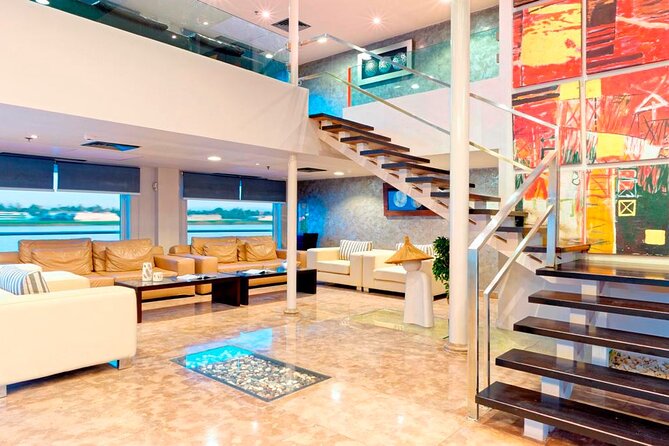
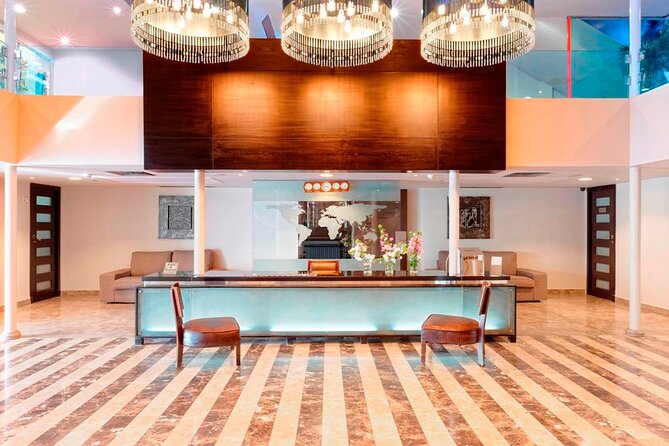
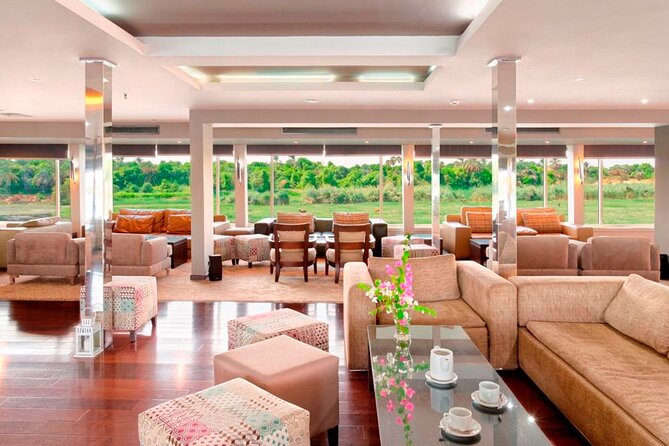
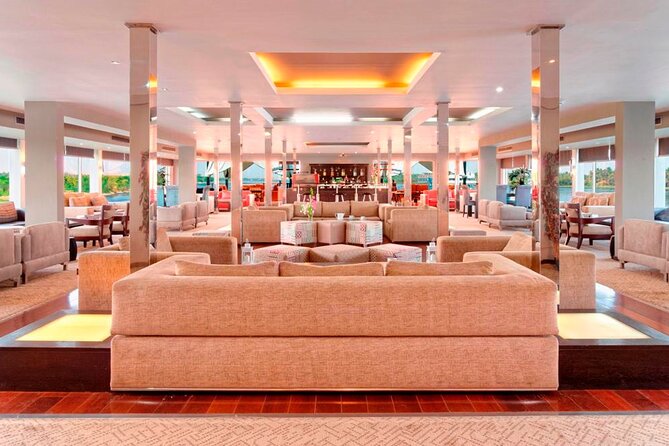
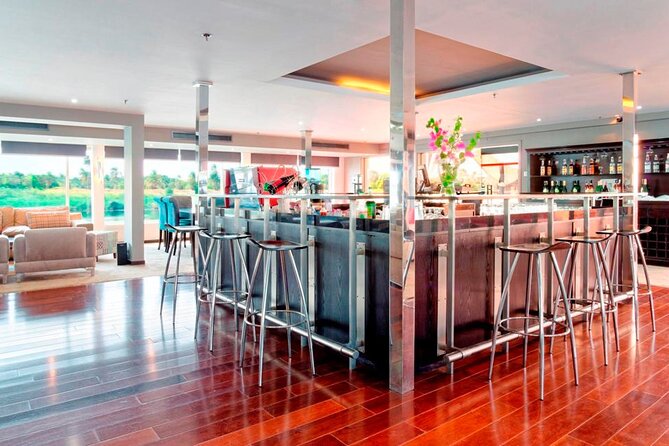
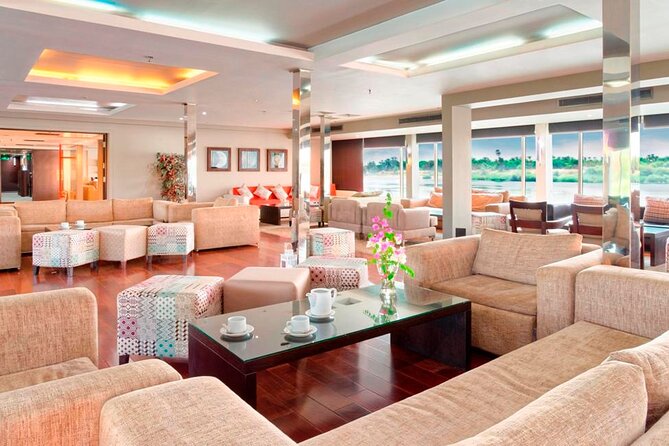
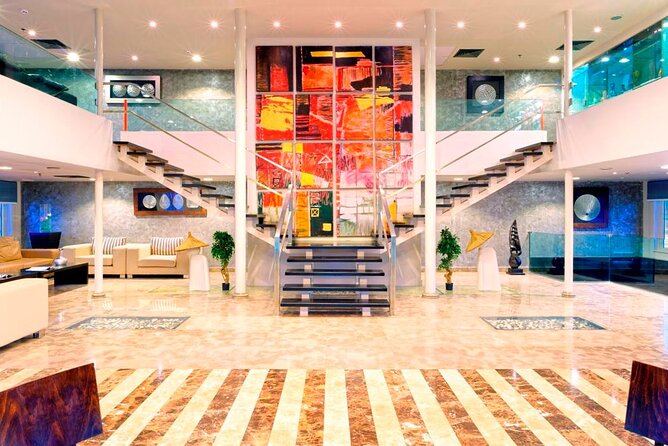
The ship itself includes a swimming pool, meals, and afternoon tea. The exact ship name, cabin size, deck facilities, and sailing schedule are not provided, so I would ask for those details before booking if onboard comfort matters greatly to you.
Who Will Like This Nile Cruise Most?
I would recommend this package to someone visiting Egypt for the first time who wants the essential Aswan-to-Luxor route arranged in one booking. It suits couples, families, and small groups that value a private guide and direct transfers.
It is also a good fit if you want Abu Simbel but do not want to organize the early transport yourself. The cruise adds a pleasant sense of progress as the ship moves from Aswan through Kom Ombo and Edfu toward Luxor.
I would hesitate to recommend it to anyone who dislikes early mornings, fixed schedules, or hot outdoor sightseeing. The trip covers a lot, but it does not leave much room for lingering. You will see more sites than you could easily manage alone in four days, but you will need to accept a brisk pace.
Children can participate, but they must be accompanied by an adult. The details state that most people can take part, and pickup is offered. Free cancellation is available if you cancel at least 24 hours before the local start time. Cancellations or changes inside that window are not accepted for a refund.
Should You Book This Four-Day Nile Cruise?
Book it if your priority is maximum sightseeing with minimum planning. The combination of flights, private transfers, meals, a cruise cabin, and an Egyptologist gives you a practical route through Upper Egypt at a price that can be reasonable for a short, all-in-one trip.
Before paying, get written confirmation of the cruise ship, cabin arrangements, flight times, Abu Simbel admission, hot-air balloon cost, tipping expectations, and any horse-carriage charges. If those details are clear, this is a strong choice for a first Nile visit, especially if you value guides such as Ahmed or Abdul and want a private rather than shared touring format.
Skip it if you want a slow river holiday. For that style of trip, four days and several early starts will feel rushed. For everyone else, the itinerary offers an impressive concentration of temples, river views, and practical support in a short window.
FAQ
How long is the Nile cruise experience?
The experience lasts approximately four days and includes three nights of accommodation aboard a Nile cruise.
Are domestic flights included?
Yes. The package includes a domestic flight from Cairo to Aswan and a domestic flight from Luxor to Cairo.
What meals are included?
Breakfast, lunch, and dinner are included for the three cruise nights. Afternoon tea is also provided during the cruise.
Is Abu Simbel included in the itinerary?
Yes, Abu Simbel is scheduled for the second day, with pickup around 5:00 AM and a return to Aswan around 1:00 PM. Admission to Abu Simbel is listed as not included.
Which temples are visited?
The itinerary includes Philae, Kom Ombo, the Temple of Horus at Edfu, Luxor Temple, Karnak Temple, and the Temple of Hatshepsut. The Valley of the Kings and Colossi of Memnon are also included.
Is the tour private?
Yes. This is a private activity, so only your group participates. Private transfers and a private English-speaking Egyptologist guide are included.
Is the hot-air balloon ride included in the price?
The hot-air balloon ride appears in the fourth-day schedule, but the provided inclusions do not clearly confirm that it is included. Ask the operator whether it is included or requires an additional payment.
More 4-Day Experiences in Cairo
- From Cairo: 4-Day Nile Cruise to Luxor with Balloon Flight
★ 4.2 · 112 reviews - Luxury Cruise from Aswan to Luxor 4 Days with Abu Simble Temple
★ 5.0 · 60 reviews - From Cairo 4-Day Nile Cruise to Aswan by Flights& Hot Air Balloon
★ 4.5 · 44 reviews - 4 Day Luxor&Aswan Nile cruise&Abu Simbel by plane from Cairo.Hot deal
★ 5.0 · 31 reviews
Just added around Cairo
- GEM Grand Egyptian Museum Private Tour from Cairo Giza hotels★ 5.0 · 23 reviews
- Day Tour To Giza Pyramids, Great Sphinx, Saqqara Pyramids & Memphis Capital★ 5.0 · 23 reviews
- Cairo vip two or one day pyramids ,Museum,memfis ,saqra and7 places★ 5.0 · 23 reviews
- Giza Pyramids, Sphinx, Saqqara, and Dahshur Tour with Camel Ride★ 5.0 · 23 reviews
- 8 Day Cairo Pyramids and Nile cruise and Alexandria All inclusive Private Tour★ 5.0 · 23 reviews
- Full-Day Tour to Giza Pyramids Saqqara Memphis Sphinx Private★ 5.0 · 23 reviews
- Half Day Guided Trip To Egyptian Museum★ 4.5 · 23 reviews
- Full-Day Tour to Giza Pyramids, memphis and Sakkara Step Pyramid★ 5.0 · 23 reviews
Nile Cruises, compared.

4-Days Nile Cruise From Aswan To Luxor including Abu Simbel and Hot Air Balloon
Read our review →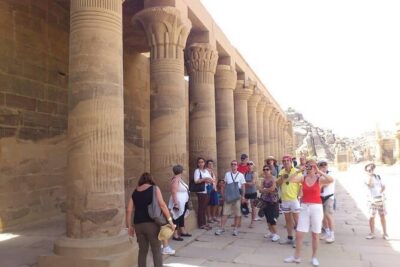
4-Day 3-Night Nile Cruise from Aswan to Luxor including Abu Simbel, Air Balloon
Read our review →
4-Day Nile Cruise from Aswan to Luxor with Guide
Read our review →4-Days Nile Cruise From Aswan To Luxor including Abu Simbel and Hot Air Balloon
Read our review →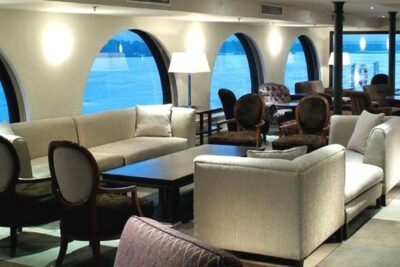
4-Day 3-Night Nile Cruise from Aswan to Luxor – Private Tour
Read our review →4 Days Nile Cruise from Aswan to Luxor including Abu Simbel and Hot Air Balloon
Read our review →
4-Day 3-Night Nile Cruise from Aswan to Luxor With Balloon and Abu Simbel
Read our review →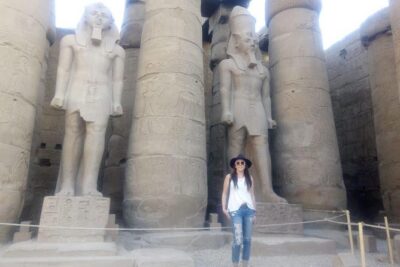
4-Days Nile Cruise Aswan&Luxor,Hot Air Balloon&Abu Simbel.Hot deal
Read our review →Browse the lists this tour appears in