
Reviewed · NILE CRUISES
Abusimbel Aswan to Luxor 4 days Nile cruise
Ancient temples, slow river days, and one big road trip make this Nile cruise memorable. I like the way it links Abu Simbel to Luxor without forcing you to arrange separate transport, and I also like the strong guide reports, especially for Hani, Gamal, Hassan, Hossam, and Magdy. The main catch is that entrance tickets and tips cost extra, and solo travelers pay a $245 single-occupancy supplement.
For $350 per person, you get three nights on the ship, meals listed in the program, bottled water during tours, transfers, and guided visits along Egypt’s most famous southern route. You should still budget carefully: entrance tickets are listed at 4,900 EGP per person, drinks onboard are extra, and the long Abu Simbel day can be tiring.
In This Review
- Key points to know before booking
- Why this Aswan to Luxor cruise works well
- Day 1: Philae and the High Dam from Aswan
- Day 2: The long Abu Simbel outing and Kom Ombo
- Day 3: Edfu’s Temple of Horus and night-time Luxor
- Day 4: Royal tombs and the great temples of Luxor
- The ship, meals, and daily comfort
- What $350 really buys you
- Who should book this Nile cruise?
- Should you book it?
- FAQ
- How long is the Nile cruise?
- Where does the cruise begin and end?
- Is pickup included?
- Is Abu Simbel included?
- Are entrance tickets included?
- Are meals included?
- Are drinks included onboard?
- Is the single supplement included?
- How many people can join the tour?
- Can I cancel for a full refund?
Key points to know before booking
- Abu Simbel requires an early start: The temples are the trip’s biggest extra outing, reached by road from Aswan before you return to the ship for lunch.
- The route covers Egypt’s essential sights: You visit Philae, Kom Ombo, Edfu, Luxor Temple, Karnak, the Valley of the Kings, Hatshepsut’s Temple, and the Colossi of Memnon.
- Guides are a major strength: Hani, Gamal, Hassan, Hossam, Magdy, and other named guides receive repeated praise for clear explanations, patience, organization, and practical help.
- The ship is part of the experience: Reports describe clean, comfortable boats, friendly staff, plentiful food, and good Nile views from cabins and the top deck.
- The real price is higher than $350: Add 4,900 EGP for entry tickets, crew and guide tips, drinks, and $245 for solo occupancy.
- This is a busy four days: The cruise offers excellent coverage, but you will spend long stretches on guided visits and early departures rather than lounging beside the river.
Why this Aswan to Luxor cruise works well
A Nile cruise is useful because it turns a string of ancient sites into one connected journey. Instead of changing hotels between Aswan, Kom Ombo, Edfu, and Luxor, you unpack once and let the ship carry you along the river.
The route also gives you two kinds of Egypt in one trip. From the deck, you see green farmland pressed against dry desert. At the temples, you get monumental stone, carved gods, royal tombs, and centuries of religious change explained by a local guide.
I especially like the balance between organized sightseeing and quiet time onboard. You have planned visits each day, but the hours spent sailing give you a chance to rest, watch village life, or sit on deck with a drink. Drinks other than breakfast are not included, so bring that cost into your daily budget.
The published price is attractive for a four-day program with meals, transport, a cabin, and several guided tours. It is not an all-in price, though. The added entry fees are substantial, and tipping is expected for the cruise crew, guides, and drivers. Ask for the current Egyptian pound conversion before departure because the ticket total is stated in EGP.
More Boat Trips in Aswan
- 4-Days Nile Cruise From Aswan To Luxor including Abu Simbel and Hot Air Balloon
★ 5.0 · 3,142 reviews - 4-Day 3-Night Nile Cruise from Aswan to Luxor&Abu Simbel+Balloon
★ 5.0 · 2,023 reviews - 4-Day 3-Night Nile Cruise from Aswan to Luxor including Abu Simbel, Air Balloon
★ 4.5 · 612 reviews
Day 1: Philae and the High Dam from Aswan
Your first day begins with a representative meeting you and escorting you to the cruise ship. After check-in and lunch, you take a light Aswan tour to the High Dam and Philae Temple, then return for dinner and a Nubian show.
The High Dam is a practical first stop. It helps you understand the modern Nile before you spend the next few days looking at ancient Egypt. The dam changed the river’s flow, helped control flooding, and reshaped settlement patterns along the valley. The visit is short, but it gives useful context for the cruise itself.
Philae is the more memorable stop. Dedicated chiefly to Isis, the temple complex was moved to higher ground after the construction of the High Dam threatened to submerge it. That makes this more than a beautiful temple visit. It also shows the scale of the international effort to save Egypt’s monuments.
The first day is listed at about four hours, not counting every transfer and meal. That makes it a sensible arrival day, especially if you have come into Aswan by train or plane. Still, check the exact meeting arrangement in advance because the supplied details identify the city and opening times but do not name a precise public meeting point.
Dinner is followed by a Nubian show party onboard. This adds a social, lighter note after the temple visit. You spend the night on the ship in Aswan, so you are ready for the early start the next morning.
Day 2: The long Abu Simbel outing and Kom Ombo
Day 2 is the most demanding part of the schedule. You leave early with a breakfast box for the trip to Abu Simbel, tour the temples with a guide, and return to the ship for lunch before continuing toward Kom Ombo.
The early pickup is important. Abu Simbel is not a quick stop near the river. The program describes a long day, listed as roughly three days and eight hours, clearly reflecting the extended road outing and cruise schedule. You should expect this to be the day when an alarm clock matters most.
Abu Simbel rewards the effort. The two temples were commissioned by Ramesses II and are famous for their huge seated figures cut into the rock face. The scale is overwhelming, but a good guide helps you notice the smaller details, including the temple’s royal message and the different dedication of the smaller temple to Queen Nefertari.
Your breakfast box is a small but useful touch. You will not have your normal ship breakfast before the early departure, so confirm what is provided and carry water. Bottled water is included during tours, but other drinks and onboard purchases are not.
After Abu Simbel, you return for lunch and continue sailing. That transition matters. You get a chance to recover from the road journey while the river takes you north.
Later, Kom Ombo offers a very different temple experience. It is dedicated to both Sobek, the crocodile god, and Horus, the falcon-headed god. The symmetrical layout reflects the dual dedication, and the site includes unusual details connected with medicine, calendars, and sacred crocodiles.
The timing can make Kom Ombo particularly appealing. The temple sits beside the Nile, and the visit is often tied closely to the ship’s sailing schedule. You tour the site, return onboard, and continue toward Edfu for dinner and the night.
This is also the day when the cruise’s organization matters most. Several moving parts must line up: the early car transfer, the Abu Simbel guide, your return to the ship, lunch, sailing, and the Kom Ombo visit. The strongest reports about Egypt Knight focus on this coordination, with names such as Nada and Magdy mentioned for keeping arrangements clear and handling transfers.
Day 3: Edfu’s Temple of Horus and night-time Luxor
Breakfast onboard begins Day 3, followed by a visit to the Temple of Horus at Edfu. This is one of Egypt’s best-preserved temples, and that condition helps you read its carved walls and massive entrance without having to imagine quite so much of the original design.
Edfu was built during the Ptolemaic period, long after the earliest pharaohs, but it preserves old Egyptian religious forms. The temple’s reliefs show Horus battling Seth, and its inscriptions provide a valuable record of rituals, titles, and temple life.
The visit is listed at about four hours. Afterward, you return to the ship for lunch and sail toward Luxor. This is one of the cruise’s most pleasant stretches because the program gives you time to sit back between major sites. The Nile views from the cabin and upper deck are repeatedly praised, and the slow pace is a welcome change after Abu Simbel.
You arrive in Luxor for an evening visit to Luxor Temple. Seeing the temple after dark changes its character. Columns, statues, and the processional avenue take on a more dramatic look under artificial lighting, and the cooler evening air is easier on you than a hot midday visit.
Dinner and onboard entertainment follow the temple visit. The schedule is full, but the night program gives the day a pleasant finish. You remain onboard in Luxor, ready for the final morning’s large group of sights.
More Nile Cruises in Aswan
- From Aswan: 4-Day Nile Cruise from Aswan to Luxor with Guide
★ 4.1 · 593 reviews - 4-Days Nile Cruise From Aswan To Luxor including Abu Simbel and Hot Air Balloon
★ 4.5 · 509 reviews - 4-Day 3-Night Nile Cruise from Aswan to Luxor – Private Tour
★ 5.0 · 369 reviews - 4 Days Nile Cruise from Aswan to Luxor including Abu Simbel and Hot Air Balloon
★ 4.5 · 356 reviews
Day 4: Royal tombs and the great temples of Luxor
The final day begins with breakfast, cabin checkout, and a full tour of Luxor’s west and east banks. The program allows about eight hours, making this the longest major sightseeing day after the Abu Simbel outing.
The Valley of the Kings is the headline stop. Here, the royal tombs were cut into the desert hills rather than built as visible pyramids. Your admission ticket is not included, and the ticket total should be confirmed before you go. The number of tombs open can vary, so do not assume every famous tomb is part of the basic entry.
The tomb interiors are the real prize. Their painted scenes show the pharaoh’s passage through the afterlife, and the colors can be remarkably strong. Conditions inside can be narrow, warm, and uneven, so comfortable shoes and modest clothing are sensible choices.
Next comes the Temple of Queen Hatshepsut, set against the cliffs of Deir el-Bahari. Its terraces and long lines contrast with the tombs in the valley. Hatshepsut’s unusual rise to power gives the guide plenty to explain, including the temple’s royal imagery and her role as one of Egypt’s most important female rulers.
The Colossi of Memnon usually make a shorter stop. These giant seated figures once guarded the entrance to a much larger memorial temple. Even with limited time, they are an easy place for photographs and a useful reminder of how much of ancient Luxor has disappeared.
After the west bank, you visit Luxor Temple and Karnak on the east bank. Luxor Temple connects well with the previous night’s visit because you see it in a different light and with more historical explanation. Karnak is far larger and needs patience. Its hypostyle hall, huge columns, obelisks, courts, and sacred spaces can feel confusing without a guide.
This is where the guide’s skill has real value. Hani is praised for combining detailed history with practical advice and humor. Gamal is described as caring and helpful, while Hassan receives strong marks for Spanish-language explanations and taking photographs. Hossam, also called Sam in one account, is praised for teaching as well as guiding. Magdy is singled out for being attentive and responsible.
Guide assignments can vary, so you should not book solely to secure one particular person. Still, the repeated pattern is clear: the human side of this trip is one of its strongest features. A good Egyptologist turns a wall of hieroglyphs into a story you can follow.
At the end of the tour, you are transferred to your hotel or the airport. Confirm your departure details before Day 4, since the sightseeing schedule is long and airport timing matters.
The ship, meals, and daily comfort
The exact ship can vary, and several boats are named in the available feedback, including Kleos, MS Royal Viking, and another recently refreshed vessel. That means you should ask Egypt Knight for the confirmed ship name and current cabin details before paying.
The general picture is encouraging. Boats are described as clean and comfortable, with friendly staff, pleasant cabins, and good views from both the room and the top deck. Food is described as plentiful, with opinions ranging from acceptable to excellent. I would set expectations at solid cruise dining rather than restaurant dining in Luxor.
Three breakfasts, three lunches, and three dinners are included. Bottled water is provided during tours. Drinks onboard are extra except for what is included with breakfast, so keep small cash purchases in mind.
The ship also supplies the social rhythm of the trip. There is a Nubian show on the first night and entertainment after the Luxor Temple visit. These activities may not be the reason you book, but they help the cruise feel like more than a hotel that happens to move.
Tipping is not included. The crew, guide, and drivers all form part of the service chain, and the program specifically tells you to budget for tips. Ask your guide or the tour company for current guidance rather than guessing.
What $350 really buys you
At $350 per person, this is good value if you want a ready-made route from Aswan to Luxor. You receive the cruise, meals, tour transport, guided sightseeing, bottled water during tours, and a final transfer to a hotel or airport.
The price becomes less simple once the extras are added. Entrance tickets total 4,900 EGP per person, drinks are separate, and tips are not covered. Solo travelers must also pay a $245 single-occupancy supplement onboard.
For two people sharing a cabin, the base price is easier to justify. You are paying for a moving hotel, three nights of accommodation, and access to sites that would otherwise require repeated car transfers and separate planning. Solo visitors should compare the final cost with a private land itinerary before booking.
A maximum group size of 30 is listed. That is not a tiny private tour, but it is still manageable if the group is organized. Some departures may be smaller, and one account describes a group of four, but you should not count on that size.
Who should book this Nile cruise?
I would choose this trip if you want to see the major southern Egyptian sites in a short, organized package. It suits first-time visitors who prefer a guide, included transfers, and one cabin instead of repeated hotel changes.
It also suits couples and families who value a relaxed river journey between busy temple visits. The ship gives you a break from road travel, while the guide supplies the background that makes the monuments easier to understand.
You should think twice if you dislike early starts, long road transfers, fixed meal schedules, or busy sightseeing days. Abu Simbel in particular adds a serious amount of travel to the schedule. People who want unhurried photography time at every temple may prefer a longer cruise or private itinerary.
The trip is generally suitable for most participants, and it is near public transportation. No special accessibility details are provided, so contact the operator if you need specific help with stairs, uneven temple ground, cabin access, or vehicle transfers.
Booking confirmation is provided at the time of booking. The stated operating information shows Monday hours of 8:00 AM to 2:00 PM for the listed date ranges, from April 23 to August 31, 2025, and September 13 to December 19, 2025. Confirm your exact departure date and meeting instructions because the supplied schedule does not give a detailed meeting address.
Should you book it?
Book this cruise if you want maximum coverage in four days and appreciate having the practical work handled for you. The strongest reasons are the Abu Simbel addition, the excellent sequence of temples, the Nile views, and the repeated praise for guides such as Hani, Gamal, Hassan, and Hossam.
I would book it with three checks first: confirm the ship, calculate the ticket and solo supplement costs, and ask how early the Abu Simbel pickup will be. If those details fit your budget and energy level, this is a well-rounded way to connect Aswan and Luxor without losing time to constant rearranging.
FAQ
How long is the Nile cruise?
The experience lasts approximately four days and includes three nights onboard the cruise ship.
Where does the cruise begin and end?
It begins in Aswan and travels north to Luxor. At the end, you are transferred to your hotel or the airport.
Is pickup included?
Pickup is offered, and the program says a representative meets you and escorts you to the cruise ship. Confirm the exact pickup point and time before departure.
Is Abu Simbel included?
Yes. The second day includes an early morning trip to Abu Simbel, a guided temple visit, and a return to the cruise ship for lunch.
Are entrance tickets included?
No. Entrance tickets are listed as an additional 4,900 EGP per person.
Are meals included?
Three breakfasts, three lunches, and three dinners are included.
Are drinks included onboard?
Drinks onboard are not included, except for the drinks provided with the breakfast meal. Bottled water is included during tours.
Is the single supplement included?
No. Solo travelers must pay a $245 single-occupancy supplement onboard.
How many people can join the tour?
The maximum group size is 30 people. The actual group may be smaller.
Can I cancel for a full refund?
Yes, if you cancel at least 24 hours before the experience start time. Cancellations made less than 24 hours in advance are not refunded, and changes within that period are not accepted.
More 4-Day Experiences in Aswan
- 4-Day 3-Night Nile Cruise from Aswan to Luxor With Balloon and Abu Simbel
★ 5.0 · 327 reviews - From Aswan:4 Days Nile Cruise Luxor Abu Simbel & Air Balloon
★ 4.4 · 310 reviews - 4-Day Nile Cruise sails Aswan to Luxor&Abu Simbel.Hot air Balloon
★ 4.5 · 247 reviews - 4-Day Nile Cruise Aswan and Luxor Hot Air Balloon with Abu Simbel
★ 5.0 · 234 reviews
Just added around Aswan
- Private Day Tour to Abu Simble Temple from Aswan★ 4.5 · 23 reviews
- Nile Cruise 2 Nights from Aswan to Luxor with Hot air Balloon★ 4.5 · 23 reviews
- Private Aswan Airport Arrival/Departure One Way Transfer★ 4.5 · 23 reviews
- Best of Luxor in 2 Days Hotel,Tours,Felucca,Camel&Balloon by Plane from Cairo★ 5.0 · 23 reviews
- (3-Nights Cruise From Aswan To Luxor & Balloon, Abu Simbel)★ 4.5 · 23 reviews
- Full Day Sharing Trip To Abou simple Temple form Aswan★ 5.0 · 24 reviews
- Enjoy 2 nights Nile cruise from Aswan to Luxor,Hot deal★ 4.5 · 24 reviews
- 3-Day 2-Night Tour to Aswan, Abusimbel & Luxor★ 5.0 · 24 reviews
Nile Cruises, compared.

4-Days Nile Cruise From Aswan To Luxor including Abu Simbel and Hot Air Balloon
Read our review →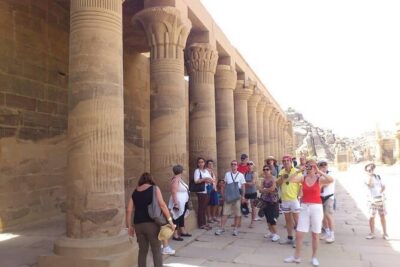
4-Day 3-Night Nile Cruise from Aswan to Luxor including Abu Simbel, Air Balloon
Read our review →
4-Day Nile Cruise from Aswan to Luxor with Guide
Read our review →4-Days Nile Cruise From Aswan To Luxor including Abu Simbel and Hot Air Balloon
Read our review →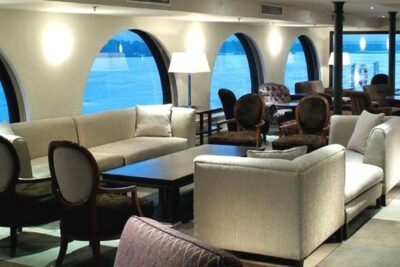
4-Day 3-Night Nile Cruise from Aswan to Luxor – Private Tour
Read our review →4 Days Nile Cruise from Aswan to Luxor including Abu Simbel and Hot Air Balloon
Read our review →
4-Day 3-Night Nile Cruise from Aswan to Luxor With Balloon and Abu Simbel
Read our review →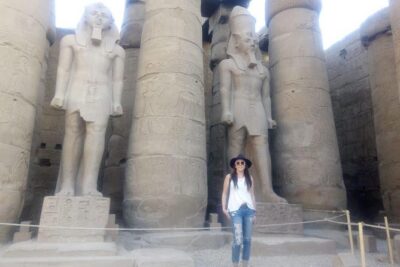
4-Days Nile Cruise Aswan&Luxor,Hot Air Balloon&Abu Simbel.Hot deal
Read our review →Browse the lists this tour appears in