
Reviewed · NILE CRUISES
Dahabiya Nile Cruise: Aswan to Luxor – 4 Days/3 Nights
The quiet Nile is the real attraction. This four-day Dahabiya cruise links Aswan and Luxor with ancient temples, small islands, village scenery, and a slower pace than the big river ships. I like the chance to see Philae, Kom Ombo, Edfu, El Kab, and Karnak in one carefully arranged trip, and I like the small-boat setting, where sunsets, birdlife, and river views are part of the day. The main drawback is the price, $1,123 per person, plus a long final day packed with Luxor sights.
I also like that the fare covers three nights, all meals, transport, entrance fees, and an Egyptologist guide. The private arrangement can feel personal, but you should confirm the exact Dahabiya, cabin, and group setup before paying. One past booking problem involved a boat substitution, so the vessel promised to you matters as much as the route.
In This Review
- Key points to know before booking
- Why a Dahabiya changes the Nile experience
- Day 1: Philae, a countryside walk, and Kom Ombo
- Day 2: Gebel el Silsila and the great temple at Edfu
- Day 3: El Kab and a quieter side of ancient Egypt
- Day 4: Valley of the Kings and Hatshepsut’s temple
- What the $1,123 price really covers
- Food, cabins, and the onboard mood
- Who should book this Nile cruise
- Should you book it?
- FAQ
- How long is the Dahabiya Nile cruise?
- Where does the experience begin?
- Where does the experience end?
- What meals are included?
- Are entrance fees included?
- Is King Tutankhamun’s tomb included?
- Is this a private tour?
- What is the cancellation policy?
Key points to know before booking
- Four days from Aswan to Luxor: You begin with a hotel, station, or airport pickup in Aswan and finish with a transfer to a Luxor hotel, station, airport, or another chosen location.
- Small-boat Nile sailing: A Dahabiya offers a quieter, more intimate setting than a large cruise ship, though the boat may sometimes be towed rather than moved only by sail.
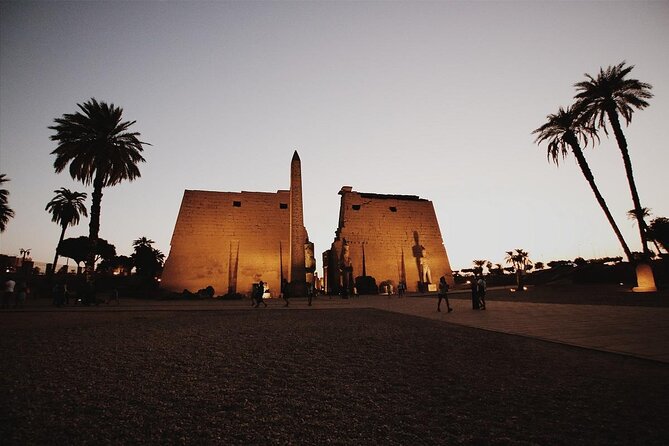
- Ancient sites included: Philae, Kom Ombo, Edfu, El Kab, the Valley of the Kings, Hatshepsut’s temple, the Colossi of Memnon, and Karnak are all part of the plan.
- Full-board pricing: Three breakfasts, three lunches, three dinners, tea, coffee, natural water, transport, guides, taxes, and entrance fees are included.
- Private activity: Only your group participates in the arranged tour, although the number of people sharing the boat should be confirmed.
- Strong overall satisfaction: The experience has a 4.7 rating from 32 reviews, with 94 percent recommending it, but the boat assignment deserves careful checking.
Why a Dahabiya changes the Nile experience

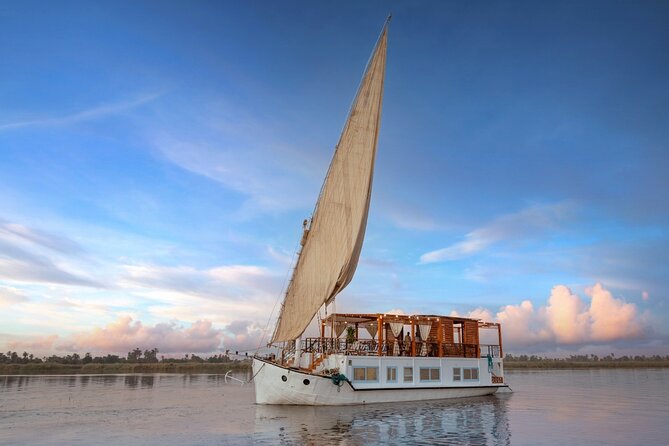
A Dahabiya is a smaller traditional-style Nile boat, usually valued for its calm atmosphere and ability to moor away from the main cruise traffic. That difference matters on the stretch between Aswan and Luxor. You are not simply moving from one temple to the next. You spend time watching the riverbank slide past at close range.
The route includes moorings at a small island and Besaw island, along with a stop near El Kab. These pauses give the journey a more local feel than a standard large-ship itinerary. You might see farm plots, village life, birds, and stretches of river with little development.
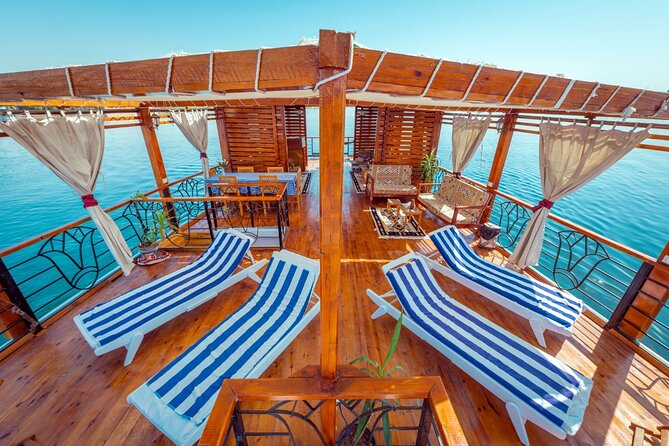
The boat is also a place to rest between guided visits. Meals are served on board, and the sundeck is the natural spot for sunrise, afternoon views, and sunsets. Several people praised the polished wood, comfortable seating areas, quiet cabins, traditional food, and attentive crew.
There is one practical catch. A Dahabiya does not always travel under sail. One account notes that the boat was towed by a small motorboat, keeping the cabins quiet but making the experience less purely wind-powered than some passengers expect. If sailing under canvas is central to your dream, ask how often the boat sails under its own power.
More Boat Trips in Aswan
- 4-Days Nile Cruise From Aswan To Luxor including Abu Simbel and Hot Air Balloon
★ 5.0 · 3,142 reviews - 4-Day 3-Night Nile Cruise from Aswan to Luxor&Abu Simbel+Balloon
★ 5.0 · 2,023 reviews - 4-Day 3-Night Nile Cruise from Aswan to Luxor including Abu Simbel, Air Balloon
★ 4.5 · 612 reviews
Day 1: Philae, a countryside walk, and Kom Ombo
Your first morning begins with pickup in Aswan by air-conditioned vehicle and an Egyptologist guide. The first visit is Philae Temple, dedicated to Isis, one of ancient Egypt’s most important goddesses.
Philae sits on an island, so reaching it involves a boat transfer. The setting is part of the appeal. The temple complex was moved to higher ground after the construction of the Aswan High Dam threatened the original island site. The result is a striking approach by water, followed by courtyards, columns, reliefs, and sanctuaries with the Nile close by.
After the visit, you board the Dahabiya and eat lunch on board. The boat then sails toward Kom Ombo, with time to watch the river and settle into the rhythm of the cruise.
Kom Ombo is one of Egypt’s most memorable temple settings. It occupies a raised point beside a bend in the Nile, and its unusual design reflects its dedication to two gods: Sobek, the crocodile god, and Horus the Elder. The paired layout gives the temple a distinctive logic, with duplicate sanctuaries, courts, and decorative themes.
The ancient connection with crocodiles is easy to picture here. Sacred crocodiles once lived near the river, and some were mummified. The temple visit takes about two hours, enough time for a proper guided walk without turning the afternoon into a race.
After Kom Ombo, you return to the boat and continue toward Gebel el Silsila. Your first night is therefore spent on the river rather than in a city hotel, which is one of the strongest reasons to choose this route.
Day 2: Gebel el Silsila and the great temple at Edfu
Day two begins with sunrise from the sundeck and breakfast on board. This is one of the simplest pleasures of the trip. You can enjoy the early light without rushing straight into a vehicle or crowded attraction.
As the Dahabiya passes Gebel el Silsila, you see the sandstone quarries and rock-cut chapels associated with Horemheb, Seti I, Ramses II, and Merenptah. The itinerary describes this part as a viewing stop from the boat rather than a full shore excursion.
That distinction is important. You get a fine river-level view of the cliffs and ancient quarry zone, but you are not promised an extended walk through every monument. If Gebel el Silsila is a major priority, ask the operator exactly how close the boat will come and if landing conditions allow a visit.
The boat then continues to Edfu. On arrival, your guide takes you to the Temple of Horus, generally regarded as one of Egypt’s best-preserved cult temples. Its survival gives you a clear idea of how a major temple functioned, from the huge entrance pylon to the inner halls and sanctuary.
The temple’s story centers on Horus, the falcon-headed god. Ancient myth says Horus avenged the murder of his father Osiris by defeating Seth. The carvings and architecture make more sense once your guide explains the roles of the gods, the rituals, and the symbolism.
Edfu is a substantial visit, listed at about two hours. It is also one of the easiest places on this cruise to appreciate the scale of ancient Egyptian temple building. You do not have to rely only on scattered walls or partial columns. Much of the complex remains intact enough to show how imposing it once was.
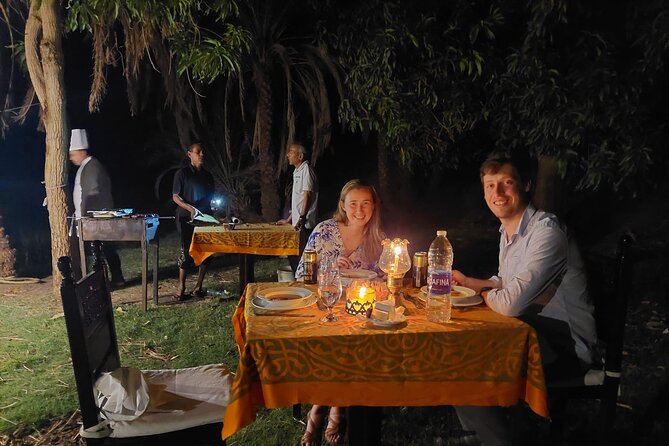
That evening, the boat moors at Besaw island. The stop gives you another night away from the main urban centers. Meals remain on board, and tea, coffee, and natural water are included throughout the cruise.
Day 3: El Kab and a quieter side of ancient Egypt
After breakfast, the Dahabiya sails toward El Kab, the ancient town of Nekheb. This is a different sort of archaeological stop from Edfu or Karnak. Instead of one enormous, polished temple complex, El Kab offers the remains of an old town, temple traces, and tombs cut into the nearby cliffs.
The site is among the oldest and most significant archaeological locations along this stretch of the Nile. Your guide leads the visit, which is scheduled for about two hours.
I like this stop because it broadens the picture of ancient Egypt. The famous monuments can make the civilization seem like a chain of royal temples and tombs. El Kab points toward ordinary settlement, religious life, burial customs, and the long span of time in which the town mattered.
It is also the sort of place where a good guide makes a real difference. Guides named in passenger accounts include Salem, Ahmed, Aref, Mohammed Salem, and Iman. The strongest praise went to guides who answered questions carefully, explained archaeology clearly, and adjusted help to individual needs. The assigned guide can vary, so you should not book this expecting one particular person unless the company confirms it.
After El Kab, you return to the Dahabiya and sail toward Esna. The next morning brings the end of the boat portion and the transfer to Luxor.
More Nile Cruises in Aswan
- From Aswan: 4-Day Nile Cruise from Aswan to Luxor with Guide
★ 4.1 · 593 reviews - 4-Days Nile Cruise From Aswan To Luxor including Abu Simbel and Hot Air Balloon
★ 4.5 · 509 reviews - 4-Day 3-Night Nile Cruise from Aswan to Luxor – Private Tour
★ 5.0 · 369 reviews - 4 Days Nile Cruise from Aswan to Luxor including Abu Simbel and Hot Air Balloon
★ 4.5 · 356 reviews
Day 4: Valley of the Kings and Hatshepsut’s temple
The fourth day is full. After breakfast, you check out of the Dahabiya and meet your guide for the Luxor visits by air-conditioned car.
The Valley of the Kings is the day’s major stop. You visit three tombs, with the tomb of King Tutankhamun excluded. That is a useful detail to know before booking. If Tutankhamun’s tomb is essential to your plans, you will need to arrange it separately and confirm how tickets work.
The valley gives you a close look at royal burial architecture. The tombs were cut into the cliffs and decorated with scenes intended to guide the dead king through the afterlife. Three tombs can provide a good introduction, but the experience depends on which tombs are open that day. Egypt regularly rotates access for conservation, so do not assume every famous tomb will be available.
Next comes the Temple of Queen Hatshepsut at Deir el Bahari. Its broad terraces and cliff setting make it one of the most recognizable monuments on the west bank. Hatshepsut ruled for about 20 years during the 18th Dynasty and is remembered as the only woman to reign as pharaoh in ancient Egypt.
The temple is not only a royal memorial. Its reliefs and design present Hatshepsut’s authority in visual form. Your guide’s explanations are especially useful here because the political story is more complicated than the clean labels often suggest.
The Colossi of Memnon follow. These two enormous statues of Amenhotep III rise about 18 meters from the plain. Each was carved from a single block of stone and weighs roughly 1,000 tonnes.
The stop is brief, about 30 minutes, but it works well as a roadside visit between the larger west-bank sites. Behind the statues, excavations continue at the remains of Amenhotep III’s funerary temple. You will not spend a full morning here, but the sheer scale of the statues is easy to grasp from ground level.
The final major visit is Karnak Temple on Luxor’s east bank. Karnak is huge, covering more than two square kilometers, and it grew over nearly 1,500 years. The complex includes sanctuaries, pylons, obelisks, kiosks, and the main Temple of Amun.
One hour is allocated to Karnak. That is enough for a guided overview of the great avenues, courts, and columns, but it is not enough for every corner. Go in with realistic expectations. The site can feel confusing without a guide, and the allotted time makes a focused route more useful than trying to see everything.
The tour then transfers you to your chosen destination in Luxor. Options listed include an airport, station, hotel, or another place in Luxor.
What the $1,123 price really covers
At $1,123 per person, this is not a budget Nile trip. The value comes from bundling several costs that can add up quickly: three nights on board, full-board meals, all listed entrance tickets, air-conditioned transport, an Egyptologist guide, pickup in Aswan, the Esna to Luxor transfer, taxes, tea, coffee, and water.
You also avoid arranging separate transport between scattered sites. That matters in Egypt, where a private car, local guide, and ticket planning can take time and negotiation. The boat provides your accommodation while you move along the river, so you are not packing and unpacking each night.
The price is easier to justify for couples, families, or small private groups that value personal service. Accounts describe boats carrying small numbers, including one group of about nine people and another cruise with only two passengers, a guide, and crew. Still, the exact arrangement may vary.
The biggest value is not the number of monuments. It is the pace and setting. You get quiet river hours that a land-only tour cannot provide. You also get meals and accommodation in one package.
Before paying, request current photographs and written confirmation of the boat name, cabin type, number of passengers, and what happens if the original vessel is unavailable. One serious complaint involved a late boat substitution after limited photographs had been provided. That does not erase the positive experiences, but it is a sensible warning at this price.
Tipping and personal expenses are not included. Wine and beer were available on at least one Dahabiya experience connected with this operator, but alcohol is not listed among the inclusions, so ask about current onboard policy.
Food, cabins, and the onboard mood
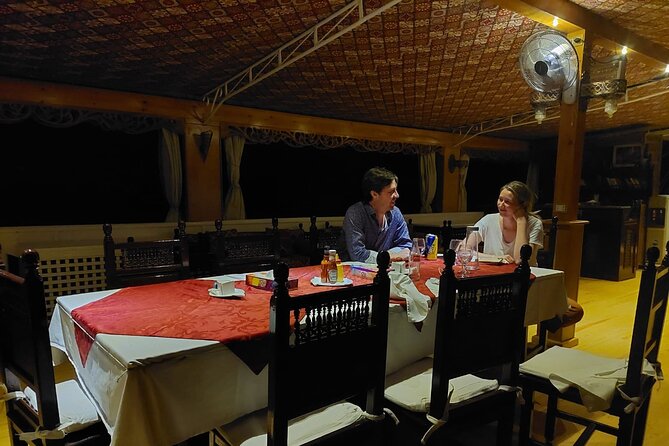
The food receives some of the warmest praise. Meals are described as traditional and consistently tasty, with a chef able to handle special diets. A vegan passenger specifically received help from chef Osama, while other accounts praise the quality and variety of the cooking.
You should still communicate dietary needs before departure. The information confirms that vegan meals were handled, but it does not promise a fixed menu for every dietary restriction.
The boats are described as cozy, well maintained, and furnished with polished wood and comfortable seating areas. One Dahabiya called Karnak received praise for its condition and atmosphere. Another was described as newly remodeled.
Do not assume every vessel has the same design. Dahabiyas can differ in cabin size, deck layout, bathroom fittings, and age. Ask for the exact boat rather than relying on general Dahabiya photographs.
The mood is a major selling point. People praised the kind crew, discreet service, quiet river, birdwatching, sunrises, sunsets, and relief from the noise and sales pressure found in parts of Egypt. For several days, the deck becomes a calm base between busy temple visits.
Who should book this Nile cruise
I would choose this trip if you want the major Aswan and Luxor sights without spending four nights on a large ship. It suits couples seeking a romantic setting, families wanting a private arrangement, and first-time Egypt visitors who want transport, food, tickets, and guiding handled together.
It also suits anyone who values time on the Nile itself. The small islands, countryside walk, river moorings, and quiet deck hours are not filler. They are the reason to pick a Dahabiya.
I would be more cautious if you need a luxury-hotel standard, dislike early starts, or want long visits at every site. Day four is especially demanding, and Karnak receives only about one hour. The route also excludes King Tutankhamun’s tomb and does not list Luxor Temple.
The tour requires good weather. If weather forces cancellation, you are offered another date or a full refund. For other cancellations, a full refund requires at least six full days’ notice. Two to six full days before departure brings a 50 percent refund, while cancellation less than two days before departure brings no refund.
Should you book it?
Yes, if the boat is confirmed and the slower Nile setting appeals to you. The route covers an impressive number of sites, the meals and transport simplify planning, and the small-boat atmosphere brings you closer to the river than a large cruise usually can.
Before booking, confirm the exact Dahabiya, cabin, passenger count, guide arrangements, sailing method, and final-day schedule. If those details check out, this is a strong choice for an intimate Aswan to Luxor journey with a good balance of archaeology and rest. If you want a lower price or more time at each Luxor monument, a land-based itinerary may serve you better.
FAQ
How long is the Dahabiya Nile cruise?
The cruise lasts four days and three nights, traveling from Aswan to Luxor.
Where does the experience begin?
Pickup is offered from an Aswan airport, train station, or hotel. The listed starting point is Aswan, Aswan Governorate, Egypt.
Where does the experience end?
The service ends in Luxor. Drop-off can be arranged at a Luxor airport, station, hotel, or another chosen location in Luxor.
What meals are included?
The fare includes three breakfasts, three lunches, and three dinners. Tea, coffee, and natural water are also included.
Are entrance fees included?
Yes. Entrance fees for the listed sites are included, including Philae, Kom Ombo, Edfu, El Kab, the Valley of the Kings, Hatshepsut’s temple, the Colossi of Memnon, and Karnak Temple.
Is King Tutankhamun’s tomb included?
No. The Valley of the Kings visit includes three tombs but excludes the tomb of King Tutankhamun.
Is this a private tour?
Yes. The activity is described as private, meaning only your group takes part in the arranged tour. Confirm the number of people sharing the Dahabiya before booking.
What is the cancellation policy?
Cancel at least six full days before the start time for a full refund. Cancellation two to six full days before the start time receives a 50 percent refund. Cancellations less than two full days before departure are not refunded. Weather cancellations offer another date or a full refund.
More 4-Day Experiences in Aswan
- 4-Day 3-Night Nile Cruise from Aswan to Luxor With Balloon and Abu Simbel
★ 5.0 · 327 reviews - From Aswan:4 Days Nile Cruise Luxor Abu Simbel & Air Balloon
★ 4.4 · 310 reviews - 4-Day Nile Cruise sails Aswan to Luxor&Abu Simbel.Hot air Balloon
★ 4.5 · 247 reviews - 4-Day Nile Cruise Aswan and Luxor Hot Air Balloon with Abu Simbel
★ 5.0 · 234 reviews
Just added around Aswan
- Private Day Tour to Abu Simble Temple from Aswan★ 4.5 · 23 reviews
- Nile Cruise 2 Nights from Aswan to Luxor with Hot air Balloon★ 4.5 · 23 reviews
- Private Aswan Airport Arrival/Departure One Way Transfer★ 4.5 · 23 reviews
- Best of Luxor in 2 Days Hotel,Tours,Felucca,Camel&Balloon by Plane from Cairo★ 5.0 · 23 reviews
- (3-Nights Cruise From Aswan To Luxor & Balloon, Abu Simbel)★ 4.5 · 23 reviews
- Full Day Sharing Trip To Abou simple Temple form Aswan★ 5.0 · 24 reviews
- Enjoy 2 nights Nile cruise from Aswan to Luxor,Hot deal★ 4.5 · 24 reviews
- 3-Day 2-Night Tour to Aswan, Abusimbel & Luxor★ 5.0 · 24 reviews
Nile Cruises, compared.

4-Days Nile Cruise From Aswan To Luxor including Abu Simbel and Hot Air Balloon
Read our review →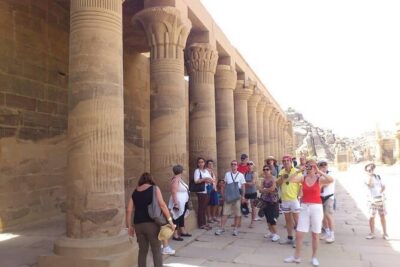
4-Day 3-Night Nile Cruise from Aswan to Luxor including Abu Simbel, Air Balloon
Read our review →
4-Day Nile Cruise from Aswan to Luxor with Guide
Read our review →4-Days Nile Cruise From Aswan To Luxor including Abu Simbel and Hot Air Balloon
Read our review →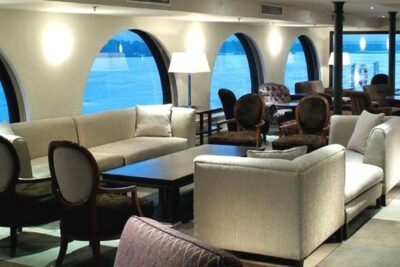
4-Day 3-Night Nile Cruise from Aswan to Luxor – Private Tour
Read our review →4 Days Nile Cruise from Aswan to Luxor including Abu Simbel and Hot Air Balloon
Read our review →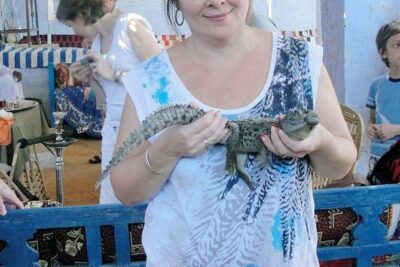
4-Day 3-Night Nile Cruise from Aswan to Luxor With Balloon and Abu Simbel
Read our review →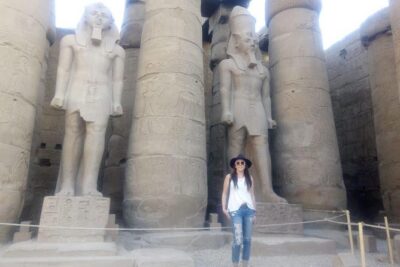
4-Days Nile Cruise Aswan&Luxor,Hot Air Balloon&Abu Simbel.Hot deal
Read our review →Browse the lists this tour appears in