
Reviewed · LUXOR TOURS
Day Tour: East and West Banks of Luxor
Ancient Egypt rewards a full day. This private Luxor tour links the Valley of the Kings, Hatshepsut’s temple, Karnak, and Luxor Temple with hotel pickup, a private vehicle, lunch, and an Egyptologist guide. I like the chance to see both sides of the Nile in one outing, and I like that the guide can adjust the pace or add an interest such as a papyrus visit.
The price is a strong draw at $29 per person, especially with transport and lunch advertised as included. The main caution is the confusing duration: the tour is described as lasting about three hours, yet the schedule is clearly a full-day program, and entrance fees and guide arrangements need careful checking before you go.
In This Review
- Key points to know before booking
- Why this Luxor tour makes sense for a short stay
- Starting at 8am on the West Bank
- Hatshepsut’s terraces and the Colossi of Memnon
- Medinat Habu and the included lunch
- Karnak’s columns, avenue, and sacred lake
- Ending at Luxor Temple
- The guide can make or break the day
- What the $29 price really covers
- Who should book this experience?
- Should you book the East and West Banks of Luxor tour?
- FAQ
- How long does the tour last?
- Does the tour include hotel pickup and drop-off?
- Is a private Egyptologist guide included?
- Is lunch included?
- What entrance fees must I pay?
- How many people can join the tour?
- Can I cancel for a full refund?
Key points to know before booking
- Five major ancient sites in one day: You visit the Valley of the Kings, Hatshepsut’s temple, Medinat Habu, Karnak, and Luxor Temple.
- The tour crosses both banks of the Nile: The West Bank brings royal tombs and mortuary temples, while the East Bank focuses on huge temple complexes.
- Entrance fees are extra: The listed admissions total 740 Egyptian pounds, before any optional tomb charges or other additions.
- Private transport keeps the day flexible: Pickup and drop-off are offered from selected central Luxor hotels, with a maximum group size of 15.
- Guide quality can shape the whole experience: Guides including Amr, Mohammed, Hady, Ashraf, Mido, and Wael have received especially warm praise for clear explanations and friendly help.
- Plan for a tiring day: The sights are spread out, the ruins are large, and the program covers a lot of ground from morning into the afternoon.
Why this Luxor tour makes sense for a short stay
Luxor is not one compact archaeological park. Its great sights are split between the Nile’s East and West Banks, with roads, river crossings, and considerable walking between them. If you have only one day in town, combining the two sides saves you from arranging separate transport and negotiating with drivers at each stop.
I like the structure of this outing because it gives you the broad picture. The West Bank explains how pharaohs prepared for the afterlife, with hidden tombs and grand memorial temples. The East Bank then shifts to public religious monuments, where processional avenues, massive columns, and sacred spaces show how the city functioned when ancient Thebes was a major capital.
The private format should also help. Instead of following a large crowd from one monument to the next, you have a guide and driver assigned to your party, with a maximum advertised group size of 15. The experience can be adjusted to your interests, and one guest specifically asked to see papyrus making and had that request accommodated.
Still, this is an ambitious day. The schedule gives two hours to the Valley of the Kings, two hours around Hatshepsut’s temple and the Colossi of Memnon, then adds Medinat Habu, lunch, Karnak, and Luxor Temple. You will see a great deal, but you will not study every tomb or temple at length.
More things to do in Luxor:
- Hurghada: Luxor Valley of the Kings & Tutankhamun Tomb Trip
★ 4.7 · 13,208 reviews - Luxor Day Trip from Hurghada Small Group & Tutankhamun Tomb
★ 4.8 · 5,366 reviews - Hot Air Balloon Ride in Luxor Egypt with Transfers Included
★ 5.0 · 4,319 reviews
Starting at 8am on the West Bank
Pickup is scheduled from your central Luxor hotel around 8am. The tour uses a private vehicle, which matters in Luxor’s heat and makes the West Bank route much easier than trying to piece together taxis or local transport.
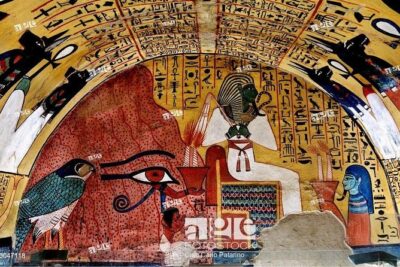
Your first major stop is the Valley of the Kings, also called the Necropolis of Thebes. The valley contains more than 63 royal tombs, cut into the dry mountain area and used for pharaohs of the New Kingdom. This is the place where the burial chambers matter more than the outside architecture.
You normally enter three tombs with the standard visit, though the precise selection can vary. The named tombs include those connected with Thutmose I, Thutmose III, Tutankhamun, Ramses VI, Merenptah, and Amenhotep II. Each has a different balance of decoration, scale, and preservation, so your guide’s advice is useful when time is limited.
The tomb interiors are the reward, but the visit is physically demanding. You walk over uneven ground and may climb or descend into chambers. The sun can be strong, and the painted corridors are enclosed. Two hours sounds generous, yet it can pass quickly if you want to see several tombs and hear a proper explanation of the burial customs.
The standard Valley of the Kings admission is listed at 240 Egyptian pounds and is not included in the $29 tour price. Extra charges may apply for special tombs, so ask your guide or operator what the basic ticket covers before entering.
Hatshepsut’s terraces and the Colossi of Memnon
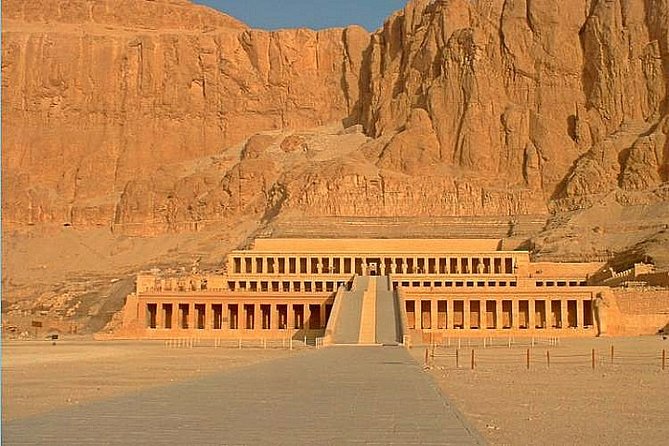
From the royal tombs, the route continues to the Temple of Hatshepsut at Deir el Bahari. The temple rises against the cliffs in a series of broad terraces, giving it a very different feel from the underground tombs.
Hatshepsut was one of Egypt’s most important female rulers. Her temple presents royal power through formal terraces, reliefs, and a dramatic setting beneath the Theban hills. Your guide can help you read the monument as more than a photogenic ruin, explaining its connection to the queen’s reign and the religious purpose of the site.
The listed admission is 140 Egyptian pounds. Expect more exposed walking here than in the tombs, with limited shade in many areas. That makes an early start valuable, especially during warmer months.
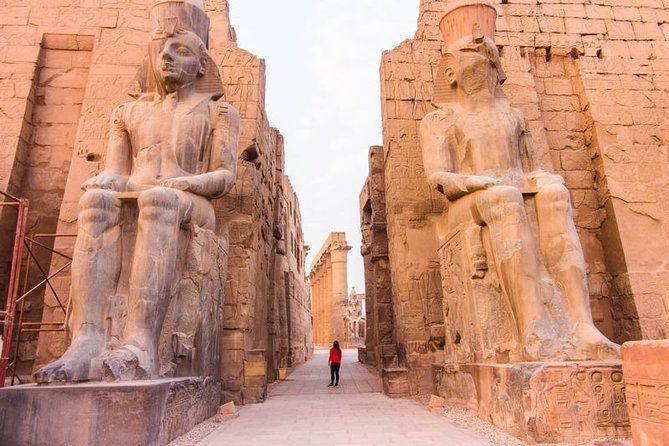
The Colossi of Memnon are usually a short roadside stop, but they deserve more than a quick photograph. The two enormous seated figures once guarded the entrance to a much larger temple complex. Their scale helps you understand how grand the lost monument must have been, even though much of the original temple has disappeared.
The schedule lists two hours for the Hatshepsut and Colossi portion together. That can work for a general introduction, but you should tell your guide if Hatshepsut is a priority. The private format may allow a little more time there, depending on the day and the rest of the schedule.
Medinat Habu and the included lunch
The next West Bank stop is Medinat Habu, the Temple of Ramses III. This monument is often less crowded than the most famous sites, and its reliefs provide a strong look at royal ceremony, warfare, and religious scenes.
The supplied schedule gives this stop only two minutes, which is plainly not enough for a meaningful visit. That timing may be a clerical error, but you should confirm how much time is actually planned. If you care about Medinat Habu, ask for it to be treated as a proper stop rather than a quick drive-by.
Lunch follows at a local restaurant. The tour description says a typical Egyptian lunch is included, while the formal inclusions list bottled water and hotel transport but does not separately repeat lunch. That inconsistency is worth clearing up in writing before departure.
Drinks are specifically excluded. Bring extra money for beverages, and do not assume that every item on the table is covered by the tour price. The meal is one of the more appealing touches because it breaks up a long day and gives you a taste of ordinary Egyptian food rather than keeping you inside a hotel or bus routine.
A completely different sort of day out in Luxor:
- Luxor: Shared Full-Day Tour to Luxor West and East Banks
★ 4.5 · 1,812 reviews - Luxor: Hot Air Balloon Ride over Luxor Relics
★ 4.8 · 1,681 reviews - Luxor Day Tour: Valley of Kings & Queens & Hatchepsut Temples
★ 5.0 · 1,496 reviews - Full Day Tour to East and West Banks of Luxor
★ 5.0 · 1,449 reviews
Karnak’s columns, avenue, and sacred lake
After lunch, you cross to Luxor’s East Bank for the Karnak Temples. This is not a single temple in the simple sense. It is a huge religious complex developed over centuries, with construction dates given here as roughly 2055 BC to 100 BC.
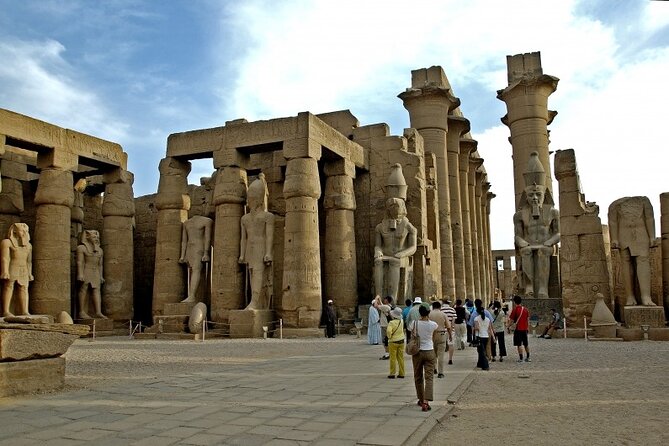
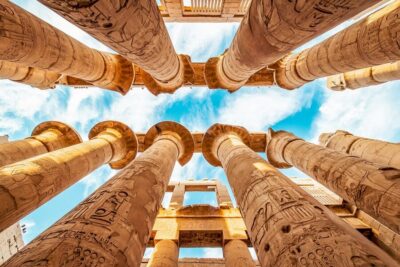
Karnak rewards patience and a good guide. The Avenue of the Sphinxes gives the approach a ceremonial feel, while the Great Hypostyle Hall is the visual knockout: a forest of enormous columns that makes human scale seem almost comic. The Sacred Lake adds another layer, showing how water and ritual shaped the temple precinct.
The listed Karnak admission is 200 Egyptian pounds. Since the complex is broad, comfortable shoes and water matter more here than at a small monument. Bottled water is included, but you should still prepare for heat, dust, and extended standing.
I would give Karnak your full attention rather than treating it as a box to tick. One guest called it a favorite stop and appreciated having enough time there. That is a useful clue: the program may feel rushed overall, but Karnak can still be a satisfying part of the day if your guide keeps the visit focused.
Ending at Luxor Temple
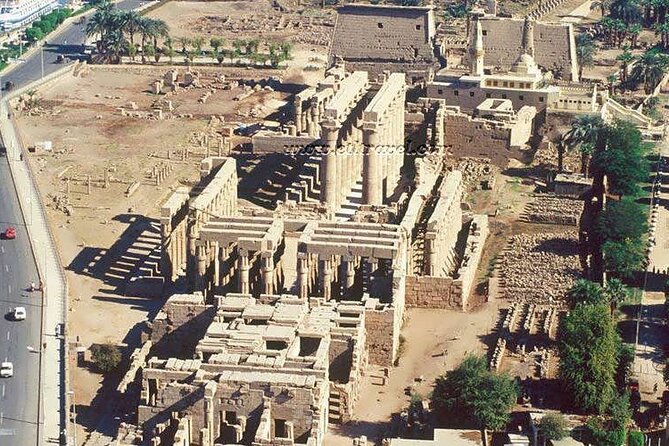
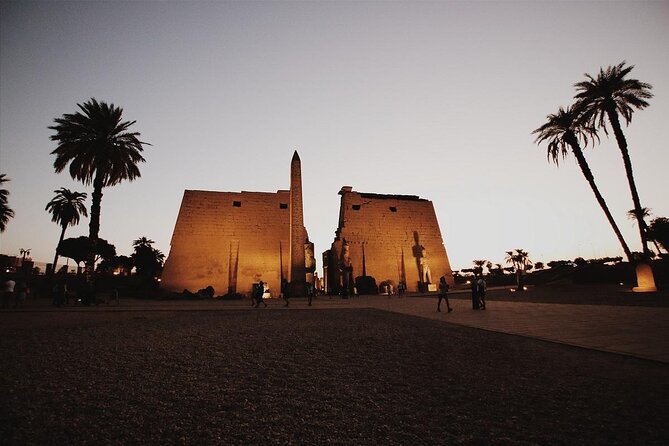
The final major sight is Luxor Temple, built under Amenhotep III in the 18th Dynasty and completed by Ramses II in the 19th Dynasty. Unlike the hidden tombs on the West Bank, Luxor Temple sits within the modern city, so the transition from ancient stones to present-day Luxor is immediate.
The monument is especially atmospheric because of its avenue, courtyards, columns, and position near the river. The temple’s later additions and changes also help you see that ancient Egypt was not a single frozen period. Different rulers added to and reshaped important sacred sites.
The listed admission is 160 Egyptian pounds. The schedule assigns one hour here, which should give you a useful introduction and time for photographs, though a history enthusiast may want much longer.
After Luxor Temple, you return to your hotel. The route makes a sensible arc through both sides of the city, but the day’s length depends on traffic, time at the tombs, lunch, and how much flexibility your guide allows.
The guide can make or break the day
The strongest praise goes to the guides. Amr is described as friendly and exceptionally well informed, while Mohammed is praised for patience, detailed explanations, and taking photographs. Hady is noted for recent archaeological information and for answering questions beyond what some television programs cover.
Ashraf is also singled out for being kind and well informed. Mido is described as fun and helpful with local recommendations, and Wael receives especially high praise for bringing the monuments to life. If the booking process allows you to request a guide, ask for one of these names, though availability cannot be guaranteed.
There is one important point to settle before you go. One booking experience indicated that a guide was not automatically included and had to be requested, even though the tour description presents a private Egyptologist guide as part of the experience. Do not leave this unclear. Confirm that your price includes the guide, the guide’s language, and the full day of guiding.
Tips also need a little care. One unpleasant experience involved pressure over gratuity at the end of the day. Tipping is common in Egypt, but you should decide what feels fair and ask in advance if the operator has a suggested amount for the guide and driver. A clear plan avoids an awkward finish.
What the $29 price really covers
At $29 per person, this is a low-cost way to arrange a private vehicle, hotel pickup and drop-off, a full route across Luxor, and a local lunch if the meal is confirmed. The value is strongest for a first visit when you want the main monuments without spending time arranging transport.
The headline price does not cover the listed entrance tickets:
- Valley of the Kings: 240 Egyptian pounds
- Hatshepsut Temple: 140 Egyptian pounds
- Karnak Temple: 200 Egyptian pounds
- Luxor Temple: 160 Egyptian pounds
That comes to 740 Egyptian pounds in listed admissions. Drinks are also extra, and Medinat Habu’s admission is not clearly priced in the supplied information. Budget for those additions rather than treating $29 as the complete cost.
The price also looks different depending on group size. A solo visitor pays for convenience without much cost sharing. A couple or small family may get particularly good value from the private vehicle and personal guide. The maximum group size is 15, so confirm whether your booking is truly private for your party or simply capped at 15 people.
Who should book this experience?
I would choose this tour if you have one day in Luxor and want a strong first look at both banks. It suits first-time visitors, families with limited planning time, and anyone who prefers having transport and a guide arranged in advance.
It is also a good fit if you want explanations as you walk. The best guides appear to encourage questions, provide context, allow some independent exploring, and help with photos. That personal attention is more useful at Karnak and in the Valley of the Kings than a bare transport service would be.
I would not choose it for a slow archaeological study. The program tries to cover five major sites, and the schedule may feel hurried, especially if you want to enter more than three tombs or spend serious time at Medinat Habu. Consider splitting the East and West Banks over two days if ancient Egypt is your main reason for visiting Luxor.
Wear practical shoes, carry water, and bring cash for admissions and drinks. You should also confirm the real start and finish time, because the advertised three-hour duration does not match the full-day route.
Should you book the East and West Banks of Luxor tour?
Book it if you want maximum sightseeing in one day at a very low starting price. The route covers the essential monuments, the private vehicle adds comfort, and a strong Egyptologist guide can turn a fast-moving schedule into a rewarding lesson.
Before paying, confirm four points: the tour’s actual duration, whether a guide is included, whether lunch is included, and the final entrance costs. If those details are clear and you accept a tiring pace, this is a practical introduction to Luxor. If you want time for every tomb, relief, and temple court, split the program across two days instead.
The experience carries a 4.7 rating from 42 ratings, with 90 percent recommending it. That fits the overall picture: excellent potential, strong guides, impressive sites, and unusually good value, balanced by a crowded itinerary and unclear inclusions.
FAQ
How long does the tour last?
The experience is advertised as approximately three hours, but the described program begins around 8am and includes five major sites, lunch, and hotel drop-off. Confirm the actual duration before booking.
Does the tour include hotel pickup and drop-off?
Yes, hotel pickup and drop-off are offered from selected central Luxor hotels.
Is a private Egyptologist guide included?
The tour description presents a private Egyptologist guide, but one booking experience indicates that a guide had to be requested separately. Confirm this point before payment.
Is lunch included?
The tour description says that lunch at a local restaurant is included. The formal inclusions do not list it separately, so confirm that lunch is covered. Drinks are not included.
What entrance fees must I pay?
The listed fees are 240 Egyptian pounds for the Valley of the Kings, 140 for Hatshepsut Temple, 200 for Karnak Temple, and 160 for Luxor Temple. The listed total is 740 Egyptian pounds.
How many people can join the tour?
The activity has a maximum group size of 15 people. It is described as a private tour, so confirm whether the vehicle and guide are reserved only for your party.
Can I cancel for a full refund?
You can cancel at least 24 hours before the local start time for a full refund. Cancellations or changes made less than 24 hours in advance are not accepted for a refund.
Just added around Luxor
- Private Tour foll day to East and West Banks of Luxor★ 5.0 · 23 reviews
- East and West Bank Luxor★ 5.0 · 23 reviews
- Full Day Tour to Luxor (East & West Bank)★ 5.0 · 23 reviews
- Big brother travel★ 5.0 · 23 reviews
- Luxor Day Tour :Valley of Kings & queen & Hatshepsut & Habu city★ 5.0 · 23 reviews
- Luxor: Scenic Camel or Horse Ride★ 3.9 · 24 reviews
- From Cairo: 4-Day Nile Cruise from Aswan to Luxor with Meals★ 4.4 · 24 reviews
- Traditional Egyptian Breakfast at the AlHabib Arabian Horse Farm★ 5.0 · 24 reviews
Luxor Tours, compared.
Luxor Valley of the Kings & Tutankhamun Tomb Trip
Read our review →
Luxor Day Trip from Hurghada Small Group & Tutankhamun Tomb
Read our review →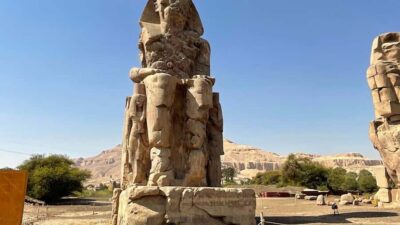
Shared Full-Day Tour to Luxor West and East Banks
Read our review →
Luxor Day Tour: Valley of Kings & Queens & Hatchepsut Temples
Read our review →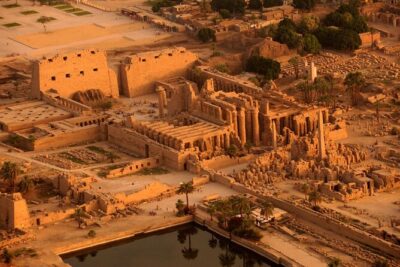
Full Day Tour to East and West Banks of Luxor
Read our review →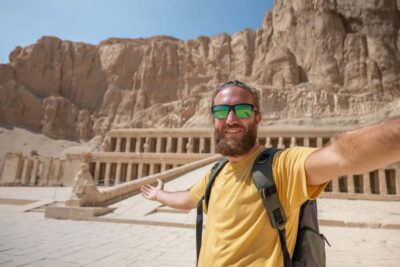
Valley of the Kings and Hatshepsut Temple Day Tour
Read our review →
2-Day Luxor Tour with Hotel, Balloon, & Boat Ride
Read our review →Browse the lists this tour appears in