
Reviewed · NILE CRUISES
Egypt on Budget – 8 Days ( Cairo , Aswan , Nile Cruise – Luxor ) Sleeper Train
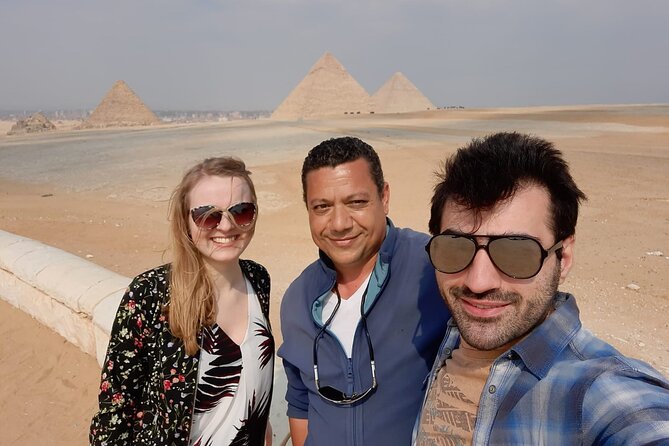
Egypt packs a lot into eight days. This trip links Cairo’s pyramids, an overnight sleeper train, a three-night Nile cruise, and Luxor’s great temples, with transfers and guides arranged for you. I especially like the private train cabins and the way the route combines major sights with time on the river. The main catch is that entrance fees, cruise drinks, and staff tips cost extra.
The price is $844 per person, which is strong value for two hotel nights, three cruise nights, meals aboard the ship, round-trip sleeper trains, and extensive transportation. You should still expect long sightseeing days, early starts, and a fast pace, particularly in Cairo and Luxor.
In This Review
- Key points at a glance
- Why this eight-day route works
- Day 1: An easy Cairo arrival
- Day 2: Giza, Saqqara, and Memphis
- Day 3: Cairo’s museum, churches, and citadel
- Day 4: Aswan and the southern Nile
- Day 5: Kom Ombo during the cruise
- Day 6: Edfu, Esna, Karnak, and Luxor Temple
- Day 7: Luxor’s west bank and the ride north
- What the $844 price really covers
- The sleeper trains and cruise cabins
- Who will get the most from this tour
- Should you book Egypt on Budget?
- FAQ
- How long does the Egypt on Budget tour last?
- Are the sleeper train cabins private?
- How many nights are spent on the Nile cruise?
- Are sightseeing entrance fees included?
- Are drinks and boat staff tips included?
- Can I add Abu Simbel or a hot air balloon trip?
Key points at a glance
- The pyramids and Sphinx come first: Your second day covers Giza, Saqqara, and Memphis, giving you more than a quick photo stop at the famous pyramids.
- Two overnight sleeper trains save hotel nights: Private cabins include dinner and breakfast on both journeys between Cairo and Aswan or Luxor.
- The Nile cruise includes three nights: Breakfast, lunch, and dinner are included, along with a private upper-deck cabin.
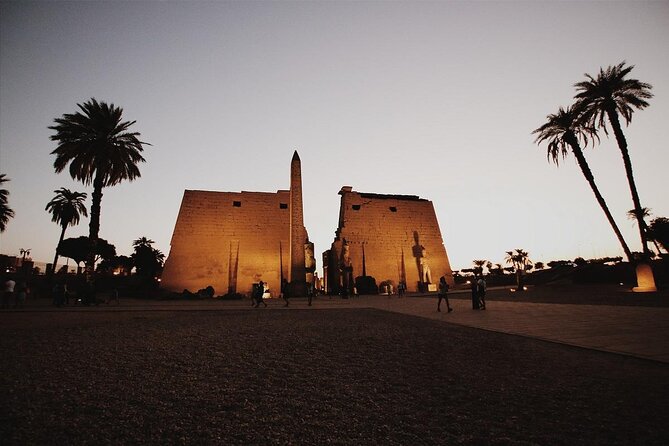
- The ancient sites are unusually well connected: Philae, Kom Ombo, Edfu, Karnak, Luxor Temple, Hatshepsut’s Temple, and the Valley of the Kings all fit into one route.
- The tour stays fairly small: A maximum of 15 people gives the guide-led visits a more manageable feel than a large coach tour.
- Extra costs need planning: Sightseeing entrance fees, drinks on the ship, and boat staff tips are not included.
Why this eight-day route works
Egypt can be awkward to organize on your own. Cairo, Aswan, and Luxor are far apart, and train stations, cruise docks, airport transfers, and ancient sites all require careful timing. This trip takes care of the connections, so you can focus on what is in front of you rather than negotiating every ride.
You begin and end in Cairo, which makes the tour practical for a flight-based holiday. Airport pickup is available around the clock, and the transfer to your Cairo or Giza hotel takes about an hour. At the end, you can be taken to Cairo airport, a hotel, or another drop-off point in Cairo or Giza.
The route also has a sensible geographic shape. You see Cairo’s monuments first, take the train south to Aswan, cruise north toward Luxor, then return to Cairo by sleeper train. That order gives you a gradual introduction to ancient Egypt before the cruise slows the pace beside the Nile.
The tour has a maximum of 15 people, but the accommodation itself is private. You receive your own hotel room, a private sleeper-train cabin, and a private upper-deck cabin on the cruise. That mix is useful if you want help with the complicated parts of Egypt without giving up personal space.
More Boat Trips in Cairo
- Cairo: Dinner Cruise on the Nile River with Entertainment
★ 4.2 · 2,190 reviews - Cairo: Nile Sunset Dinner Cruise, Show & Optional Transfer
★ 4.1 · 2,184 reviews - Cairo: Nile Dinner Cruise with Belly Dancer Show with Pickup
★ 4.4 · 835 reviews
Day 1: An easy Cairo arrival
The first day is deliberately simple. A tour guide collects you at the airport and takes you by air-conditioned vehicle to your hotel in Cairo or Giza.
The transfer takes about one hour, depending on your arrival point and traffic. You need to provide your flight details in advance so the pickup can be arranged correctly. Since transfers operate throughout the year and at all hours, this is helpful for late-night arrivals.
Your hotel stay includes breakfast for two nights. A pyramid-view room may be available, but it is not guaranteed, so treat that as a pleasant possibility rather than part of the core value.
Day 2: Giza, Saqqara, and Memphis
Day two gives you the classic Egyptian introduction, but it does not stop at Giza. You spend about three hours at the Giza Pyramids and Sphinx, followed by Saqqara and the open-air museum at Mit Rahina, ancient Memphis.
Giza is the headline attraction. The pyramids are not merely a quick roadside stop here, and three hours allows time to take in the scale of the site with your guide. The Sphinx adds another essential part of the visit, though you should remember that admission fees are separate from the tour price.
Saqqara changes the story. Its Step Pyramid is an earlier form of pyramid architecture, and it helps you see how Egyptian builders developed the design that later reached its most famous form at Giza. The one-and-a-half-hour visit gives this site meaningful attention rather than treating it as an afterthought.
At Mit Rahina, the open-air museum adds another layer to the day. You can expect a shorter, one-hour stop among remains connected with Memphis. Together, these three locations show you a progression from early pyramid construction to the monumental complex most people picture when they think of Egypt.
This is a full sightseeing day. If you prefer slow mornings and long café breaks, the schedule may feel demanding. If you want to use limited time well, it is one of the strongest parts of the trip.
Day 3: Cairo’s museum, churches, and citadel
The third day moves from ancient royal monuments to Cairo’s museums, religious sites, and Islamic architecture. You begin with two hours at the Museum of Egyptian Antiquities, where the displays provide a useful setting for the monuments you have already seen at Giza and Saqqara.
Admission to the museum is not included, so keep extra Egyptian pounds or another accepted payment method available. The guided format matters here because a large collection can become tiring without help deciding what deserves your attention.
Next comes Coptic Cairo, including old churches and the Ben Ezra Synagogue. This one-hour visit gives the day a welcome change of subject. Rather than spending every hour among pharaohs and tombs, you get a look at Cairo’s Christian and Jewish heritage as well.
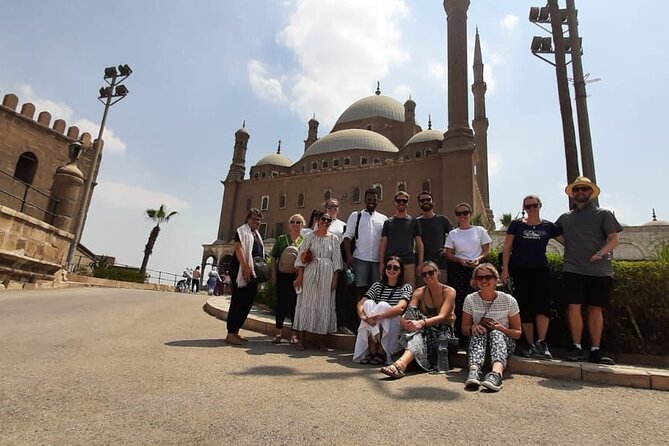
The final major stop is the Cairo Citadel and the Alabaster Mosque of Mohamed Ali. Plan on about 70 minutes here. The site adds broad city views and a strong example of Islamic Cairo’s architectural tradition.
That evening, you transfer to Giza train station for the overnight sleeper train to Aswan. The journey lasts about 12 hours, and your private room includes dinner and breakfast. This is both transportation and accommodation, so the tour avoids another hotel night. It is also the point when comfort becomes more important than sightseeing. You should expect a long rail journey, but having a private cabin gives you a place to rest away from a larger shared carriage.
More Nile Cruises in Cairo
- 6 Days Hypnotic Cairo & Nile Cruise Tour Package
★ 5.0 · 248 reviews - Egypt: Private 5-Day Tour, Nile Cruise, Flights & Balloon
★ 4.1 · 248 reviews - Cairo: 6-Day Egypt Tour with Flights and Nile Cruise
★ 3.8 · 177 reviews - Private Tour: 7 Nights Pyramids & Nile Cruise +Flights from Cairo
★ 4.5 · 157 reviews
Day 4: Aswan and the southern Nile
You arrive in Aswan and meet a tour representative at the train station. From there, you transfer to the Nile cruise, then visit three of Aswan’s major sights.
The Aswan High Dam takes about 40 minutes. It is a modern engineering project rather than an ancient temple, and it helps explain the way the Nile is managed today. The short visit fits well after the overnight train.
The Unfinished Obelisk gets about an hour. The partially carved monument offers a direct look at how stoneworkers shaped enormous blocks before a monument was moved or completed. It is a practical stop that makes ancient construction feel more physical and less abstract.
Philae Temple is the longer and more memorable visit, lasting about two hours. You reach the temple by boat, which makes the approach part of the experience. The water crossing also gives this stop a different rhythm from the road-based monuments in Cairo.
Your three-night Nile cruise includes breakfast, lunch, and dinner. The cabin is private and located on the upper deck. Drinks are not included, so budget for them separately if you plan to spend time relaxing aboard ship.
Day 5: Kom Ombo during the cruise
The ship sails toward Kom Ombo, where you leave the boat with your guide for a temple visit lasting about three hours. The timing gives you enough room to see the site properly before returning to the ship and continuing toward Edfu.
This stop is valuable because it shows how the Nile cruise works at its best. You unpack once, let the ship handle much of the travel, and step ashore for important monuments along the way. Compared with changing hotels every night, the arrangement is much easier on your energy.
The overnight stay is aboard the cruise. Meals remain included, but drinks and boat staff tips do not. Those exclusions are easy to overlook when comparing prices, so add them to your planning from the start.
Day 6: Edfu, Esna, Karnak, and Luxor Temple
The morning begins at the Temple of Horus in Edfu, with about two hours for the visit. You then cross the Esna Lock and continue sailing toward Luxor.
The lock crossing is one of the small practical pleasures of the cruise. It gives you a glimpse of the working side of Nile travel, not just the famous monuments. Exact sailing times can depend on the ship’s schedule, so you should be ready for the day to shift slightly.
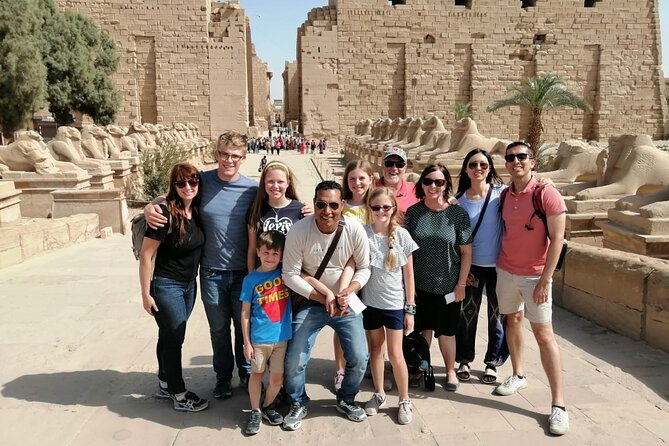
After arriving in Luxor, you visit Karnak Temple for about 90 minutes. Karnak is huge, and a guided visit helps you use your time well. The scale can be hard to grasp in photographs, so allow yourself a moment to look beyond individual columns and understand the size of the complex.
Luxor Temple follows, also with about 90 minutes. Seeing Karnak and Luxor Temple on the same afternoon creates a powerful contrast, but it also makes for a long day after the morning temple visit and sailing. Comfortable shoes, water, and a willingness to keep moving will help.
Day 7: Luxor’s west bank and the ride north
The final sightseeing day focuses on Luxor’s west bank. At Hatshepsut’s Temple, you spend about 90 minutes among the dramatic terraces and cliffs of Deir el Bahari.
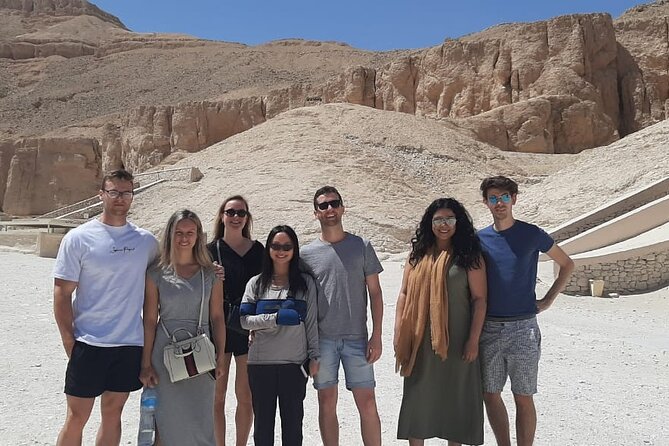
The Valley of the Kings receives two hours, which is useful because the admission arrangement can vary by tomb. Entrance fees are not included, and access to certain tombs may involve additional charges. Ask your guide what your ticket covers before committing to any extras.
You also stop at the Colossi of Memnon for about an hour. This is a shorter, simpler visit, but it works as a final monument stop before your return journey.
From Luxor, you transfer to the train station and board the sleeper train back to Cairo. The trip lasts about nine hours, and you receive a private cabin with dinner and breakfast. Like the southbound journey, it saves a hotel night and removes the need to arrange a separate long-distance transfer.
The return train is a practical ending, but it can leave you tired on day eight. If your flight leaves early, check the timing carefully before booking. The included transfer to the airport is useful, but the schedule still needs to match your departure.
What the $844 price really covers
At $844 per person, this is not a bare-bones budget trip. It includes two nights in a Giza hotel with breakfast, three nights aboard a five-star Nile cruise, round-trip sleeper trains with meals, air-conditioned transfers, guides, and station pickups in Cairo, Aswan, and Luxor.
The price has particular value because the transport is the difficult part of this route. Private airport and station transfers, train reservations, cruise arrangements, and local sightseeing connections can be a headache when booked separately. Here, they are combined into one eight-day plan.
Still, the headline price is not your final spending total. You need to pay separately for:
- Entrance fees at most major sights
- Drinks aboard the Nile cruise
- Tips for boat staff
- Optional Abu Simbel tours
- Optional hot air balloon flights
The exclusions do not make the tour poor value, but they do make the comparison less simple. I would set aside a separate sightseeing and tipping budget before you go.
The sleeper trains and cruise cabins
The sleeper trains are central to the experience. Each direction includes a private cabin, dinner, and breakfast, and the southbound journey lasts about 12 hours while the northbound return takes about nine.
You need to send a passport copy in advance so the operator can book the train. That is an important practical step. The train is not simply a daytime rail ticket with a sleeping option added later.
The cruise provides three nights in a private upper-deck cabin. Breakfast, lunch, and dinner are included, which helps control daily costs. You also get the pleasure of seeing parts of the Nile between visits rather than spending the entire trip in road traffic.
Cruise standards can vary, so you should view the five-star description as the level promised by the package, not a guarantee of identical service to an international hotel chain. The upper-deck cabin is a useful feature, especially if you value views and want to spend time watching the river.
Who will get the most from this tour
I would recommend this trip to a first-time Egypt visitor who wants the major ancient sites without managing every transfer alone. It suits people who value structure, private rooms, included meals, and a guide who can keep the sightseeing moving.
It also works well for couples or friends who want a private cabin but do not need a fully private vehicle and guide for every hour. The group limit of 15 keeps the organized visits from becoming unwieldy.
You may want another style of trip if you need a slow pace, dislike overnight trains, or want extensive free time at each site. The schedule is efficient, but it is not leisurely. Optional Abu Simbel and a hot air balloon ride also require extra money and may add to an already full trip.
The experience has a 4.7 rating from 121 reviews, with 97 percent recommending it. The strongest praise centers on the pyramids, the temples and tombs, informative guides, dependable drivers, and well-timed connections. That matches the tour’s main strength: it turns a complicated Egypt route into a manageable sequence of major sights.
Should you book Egypt on Budget?
Book it if you want Egypt’s essential monuments, a Nile cruise, and sleeper-train travel in one organized package. The strongest value comes from the combination of private cabins, included cruise meals, airport and station transfers, and a route that reaches Cairo, Aswan, and Luxor in only eight days.
Before paying, make sure you are comfortable with long touring days and extra admission costs. Send your passport copy and flight details promptly, ask about current entrance fees, and budget for drinks and tips.
I would choose this tour for a first Egyptian visit when time is limited and convenience matters. I would skip it only if you want a slower, more independent holiday with several free days.
FAQ
How long does the Egypt on Budget tour last?
The tour lasts approximately eight days, beginning with airport pickup in Cairo and ending with a transfer to Cairo airport, a hotel, or another drop-off point in Cairo or Giza.
Are the sleeper train cabins private?
Yes. The round-trip sleeper train includes a private room or cabin in both directions, with dinner and breakfast included.
How many nights are spent on the Nile cruise?
You spend three nights aboard a five-star Nile cruise in a private upper-deck cabin. Breakfast, lunch, and dinner are included.
Are sightseeing entrance fees included?
No. Entrance fees for most sightseeing stops are not included in the tour price. The Colossi of Memnon transfer stop is listed with admission included.
Are drinks and boat staff tips included?
No. Drinks aboard the Nile cruise and tips for boat staff are separate expenses.
Can I add Abu Simbel or a hot air balloon trip?
Yes. Abu Simbel and a hot air balloon trip are available as optional tours for an additional cost.
More Train Experiences in Cairo
- Overnight Luxor Tours by train from Cairo with Hot Air Balloon and much more
★ 5.0 · 29 reviews - 4 Days Nile Cruise luxor.Aswan.abu simbel with Train Tickets from Cairo
★ 4.5 · 26 reviews - 6- Days Aswan , Abu Simbel , Cruise , Luxor & Round Sleeper Train
★ 5.0 · 25 reviews - 6 Days Nile Cruise:Luxor,Aswan,Abu Simbel with Train Tickets from Cairo
★ 4.5 · 188 reviews
Just added around Cairo
- Day Tour To Giza Pyramids, Great Sphinx, Saqqara Pyramids & Memphis Capital★ 5.0 · 23 reviews
- GEM Grand Egyptian Museum Private Tour from Cairo Giza hotels★ 5.0 · 23 reviews
- Cairo vip two or one day pyramids ,Museum,memfis ,saqra and7 places★ 5.0 · 23 reviews
- Giza Pyramids, Sphinx, Saqqara, and Dahshur Tour with Camel Ride★ 5.0 · 23 reviews
- 8 Day Cairo Pyramids and Nile cruise and Alexandria All inclusive Private Tour★ 5.0 · 23 reviews
- Full-Day Tour to Giza Pyramids Saqqara Memphis Sphinx Private★ 5.0 · 23 reviews
- Half Day Guided Trip To Egyptian Museum★ 4.5 · 23 reviews
- Full-Day Tour to Giza Pyramids, memphis and Sakkara Step Pyramid★ 5.0 · 23 reviews
Nile Cruises, compared.

4-Days Nile Cruise From Aswan To Luxor including Abu Simbel and Hot Air Balloon
Read our review →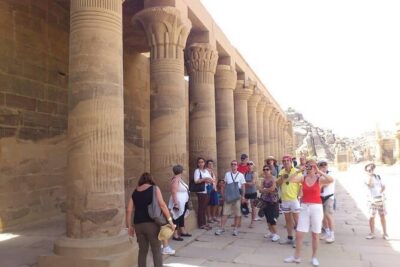
4-Day 3-Night Nile Cruise from Aswan to Luxor including Abu Simbel, Air Balloon
Read our review →
4-Day Nile Cruise from Aswan to Luxor with Guide
Read our review →4-Days Nile Cruise From Aswan To Luxor including Abu Simbel and Hot Air Balloon
Read our review →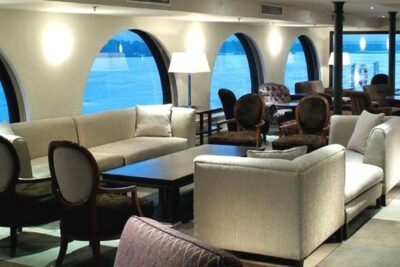
4-Day 3-Night Nile Cruise from Aswan to Luxor – Private Tour
Read our review →4 Days Nile Cruise from Aswan to Luxor including Abu Simbel and Hot Air Balloon
Read our review →
4-Day 3-Night Nile Cruise from Aswan to Luxor With Balloon and Abu Simbel
Read our review →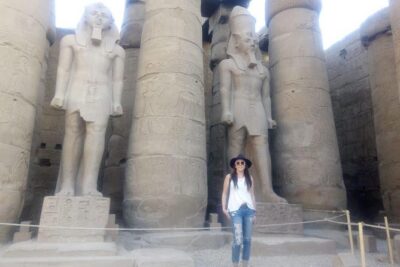
4-Days Nile Cruise Aswan&Luxor,Hot Air Balloon&Abu Simbel.Hot deal
Read our review →Browse the lists this tour appears in