
Reviewed · FULL-DAY
Full Day East Bank, West Bank, and Valley of the Queens in Luxor
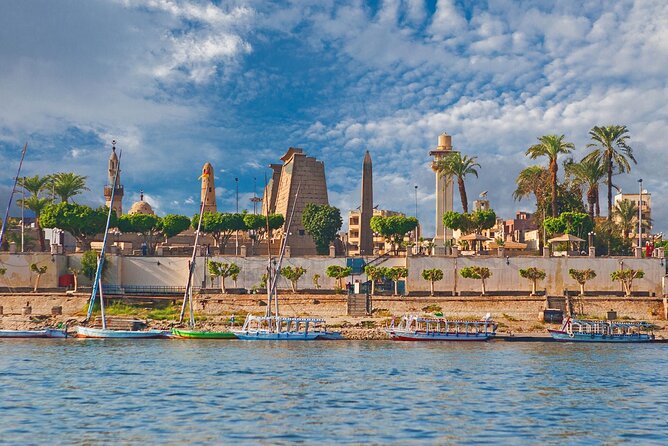
Luxor packs centuries into one long day. This private tour brings together the city’s major ancient sites, from royal tombs on the West Bank to the enormous temples of Karnak and Luxor. I especially like the private air-conditioned vehicle and the presence of a professional guide, since both matter when you are moving between six major stops in Egypt’s heat.
I also like the balance between famous monuments and quieter places such as the Valley of the Queens. The main consideration is simple: nine hours is a lot of sightseeing, and the schedule leaves little room for lingering at every tomb or temple. Still, for $13 per person before optional additions, it offers an unusually broad introduction to Luxor.
In This Review
- Four details worth knowing before you book
- Why this Luxor day works
- The Valley of the Kings: start with the tombs
- Hatshepsut’s Temple beneath the cliffs
- The Colossi of Memnon: a brief roadside pause
- The Valley of the Queens and Nefertari
- Karnak Temple: the day’s great scale
- Luxor Temple: a strong final stop
- The guide is the real value
- Transport, lunch, and the $13 price
- Who should book this day?
- Should you book the Luxor full-day tour?
- FAQ
- How long does the Luxor tour last?
- Which sites are included?
- Is hotel transportation included?
- Is lunch included?
- Is this a private tour?
- Can I cancel for a full refund?
Four details worth knowing before you book
- Six major sites in about nine hours: You visit the Valley of the Kings, Hatshepsut’s Temple, the Colossi of Memnon, the Valley of the Queens, Karnak Temple, and Luxor Temple.
- Private touring matters here: Only your group takes part, so you can ask questions and request a little more time at a place that catches your interest.
- Transportation is built in: Hotel pickup and return use a private, air-conditioned vehicle, with one bottle of mineral water included.
- The guide shapes the day: Accounts praise guides including Sami, Nabil, Ahmed, Farid, Mustafa, Salma, and Hani for clear explanations, patience, and warm storytelling.
- Lunch depends on the option you select: It is included with the Car + Guide + Entry + Lunch package, not automatically with every price choice.
- Free cancellation has a firm deadline: Cancel at least 24 hours before the start time for a full refund.
Why this Luxor day works
Luxor is split by the Nile, with the East Bank focused on temples and the West Bank filled with royal tombs and funerary monuments. Seeing both sides in one day saves you from arranging separate trips, finding transport, and negotiating each transfer on your own.
I like the way this outing moves from tombs to temples rather than giving you six similar stops in a row. The Valley of the Kings is intimate and underground. Karnak is vast and open to the sky. Luxor Temple feels more compact and atmospheric, especially as the final major site.
The private format is another real advantage. You are not locked into the pace of a large bus group. If you want to ask about burial customs, painted reliefs, or the religious meaning of a statue, you can do so without holding up dozens of people. One account describes a guide, Ahmed, spending ten minutes answering a question about burial rituals. That is exactly the sort of small exchange that can turn a parade of ruins into a meaningful day.
The tour has earned a five-star rating from 75 supplied ratings and a 99 percent recommendation rate. Those numbers suggest strong satisfaction, especially with the guides, timing, vehicle, and organization. I would still treat the schedule honestly: it is efficient, not leisurely.
More things to do in Luxor:
- Hurghada: Luxor Valley of the Kings & Tutankhamun Tomb Trip
★ 4.7 · 13,208 reviews - Luxor Day Trip from Hurghada Small Group & Tutankhamun Tomb
★ 4.8 · 5,366 reviews - Hot Air Balloon Ride in Luxor Egypt with Transfers Included
★ 5.0 · 4,319 reviews
The Valley of the Kings: start with the tombs
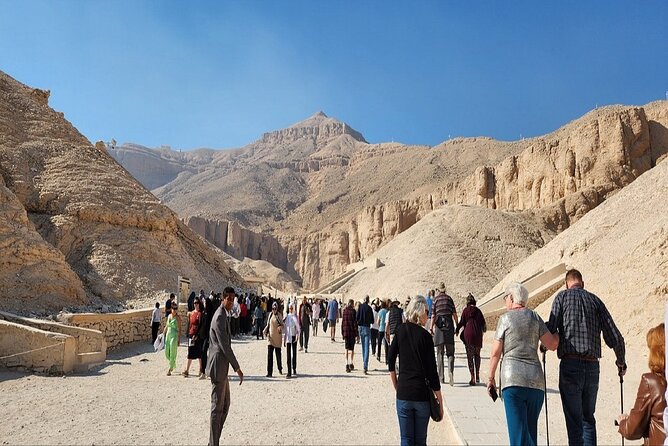
The first stop lasts about two hours, giving you time to explore the Valley of the Kings with your guide. This desert valley served as the burial ground for pharaohs, and the experience is very different from visiting a temple. Instead of broad courtyards and towering columns, you enter narrow corridors cut into the rock.
Admission to the site is included, as is access to a selection of tombs. The exact tombs available can vary, so you should think of this as a chance to see several examples rather than a guaranteed visit to every famous tomb. Each one has its own decoration and historical importance.
Your guide is most useful here. Without context, it is easy to focus only on color and scale. With a good explanation, you begin to understand how the scenes relate to the afterlife and royal burial customs. The supplied accounts repeatedly praise guides for answering questions in depth rather than reciting a short speech.
The heat and walking deserve attention. You will move across an exposed desert site, then into enclosed tombs. Wear comfortable shoes, bring sun protection, and use the included water wisely. The private car gives you a welcome cool break between locations, but it does not remove the physical demands of the site.
I would make this your priority stop if you have never been to Luxor. Two hours is useful, but it can pass quickly if you want to study wall paintings carefully.
Hatshepsut’s Temple beneath the cliffs
The Temple of Hatshepsut receives about an hour. It sits at the foot of high cliffs and uses broad terraces, long lines, and colonnades to create a powerful sense of order. The setting gives it a different mood from the underground tombs you have just visited.
Hatshepsut ruled Egypt in the 15th century BC, and the temple presents her rule through scenes of divine birth and sacred authority. The reliefs and statues help explain how she presented herself as a legitimate ruler in a political world usually associated with male pharaohs.
This is a place where your guide can make a major difference. A person named Nabil was praised for turning an unexpected gust of wind and blowing sand into a useful moment of explanation about the site. That detail captures the value of a local guide: the best commentary responds to what is happening around you rather than sticking rigidly to a script.
One hour is enough to see the main terraces and hear the central story. It is not enough for a slow examination of every relief. If you enjoy architecture and ancient royal politics, you may wish the schedule allowed more time. For a first visit, the allotted stop gives you a clear sense of why the temple is so important.
The Colossi of Memnon: a brief roadside pause
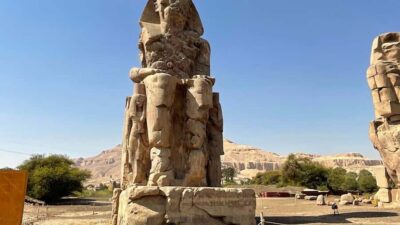
The Colossi of Memnon take about 30 minutes, and there is no admission charge. These two massive quartzite sandstone statues represent Pharaoh Amenhotep III and once guarded the entrance to his mortuary temple.
This is the shortest stop, so do not expect a full site visit. You will have time to see the statues, take photographs, and hear how they formed part of a much larger complex. The scale is the point. Even damaged, the figures make a strong impression.
I appreciate this pause in the schedule because it breaks up the longer visits. You get a quick look at a major monument without using another ticket or spending another hour indoors. If you prefer slow archaeology to quick photo stops, though, this will feel brief.
A few more Luxor trips worth weighing up
- Luxor: Shared Full-Day Tour to Luxor West and East Banks
★ 4.5 · 1,812 reviews - Full Day Tour to East and West Banks of Luxor
★ 5.0 · 1,449 reviews - Luxor : Full Day Tour to Luxor West and East Banks & Lunch
★ 5.0 · 870 reviews - Full Day Tour of Luxor West Bank Temples and Tombs (Private)
★ 5.0 · 722 reviews
The Valley of the Queens and Nefertari
The tour then continues to the Valley of the Queens for about an hour. This site is associated with queens and royal family members, and it offers a quieter counterpoint to the better-known Valley of the Kings.
The tomb of Queen Nefertari is the major draw. Her burial place is celebrated for its painted decoration, though the supplied details do not specify which tombs or access arrangements are available on the day. Admission to the Valley of the Queens is included, but you should ask your guide which tombs are open and if any special ticket is needed for a particular interior.
This stop may become your favorite if you prefer a calmer setting. One account describes the valley as almost spiritual because of its silence. That sense of quiet can make the painted walls feel more personal than the grand public spaces at Karnak.
An hour gives you a focused visit, not an exhaustive one. You will want to listen closely to the guide and avoid spending too much time on one detail if you hope to see more than a single tomb. The value here is contrast: the tour does not treat Luxor as only a collection of pharaohs and giant columns. It also gives attention to queens and family members.
Karnak Temple: the day’s great scale
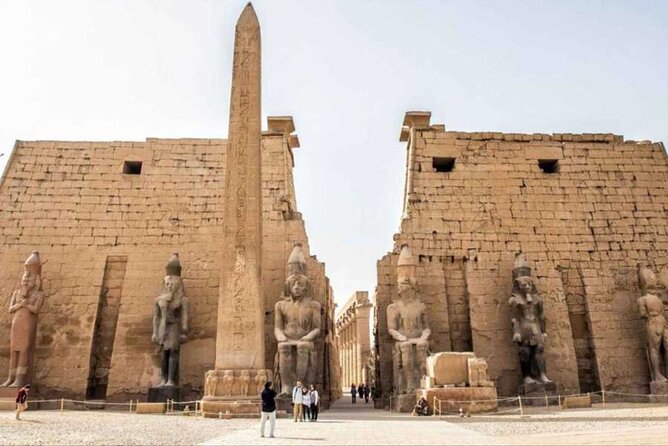
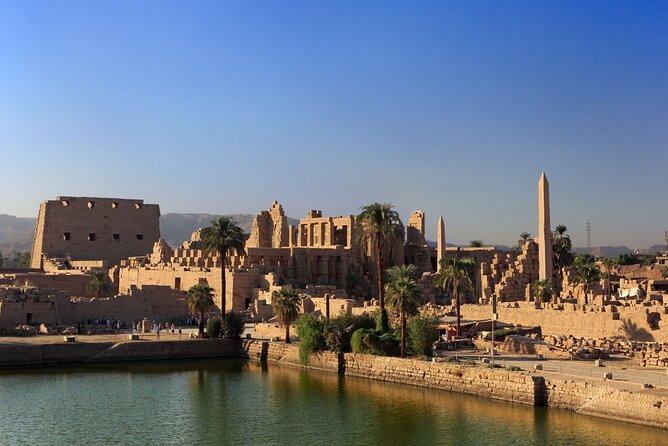
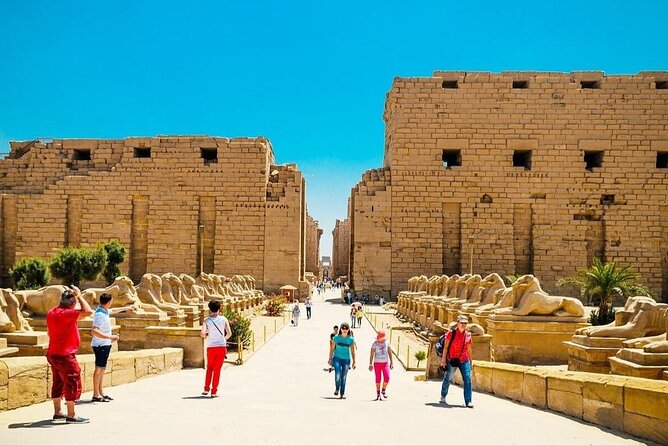
After the West Bank sites, you cross to the East Bank for Karnak Temple. The visit lasts about two hours, and that time is justified. Karnak is not one simple temple but a huge complex of sanctuaries, columns, chapels, and processional spaces built and expanded over many centuries.
The approach includes an imposing double row of sphinxes. Inside, the scale keeps growing. The famous columned hall can make you feel very small, with its forest of massive stone supports and traces of decoration. Your guide helps connect the separate parts so the complex does not become a blur of walls and statues.
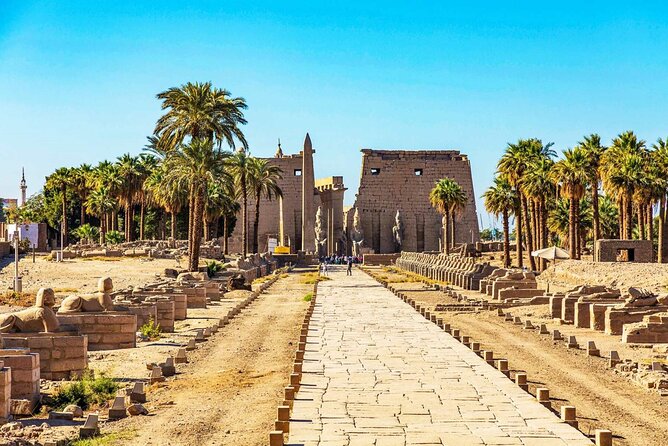
Karnak once connected with Luxor Temple by a 1.5-mile avenue of sphinxes. That fact gives useful context to the relationship between the two East Bank sites. You are not simply visiting unrelated ruins. You are seeing parts of a ceremonial center that once shaped religious life in ancient Thebes.
Two hours is a reasonable amount of time, but Karnak can easily consume an entire morning by itself. I would resist trying to photograph everything. Instead, choose a few spaces to examine properly, then let the guide explain how the complex developed.
The supplied accounts place particular emphasis on guides who made Karnak feel like a living story. Mustafa, for example, was praised for handling unexpected questions with enthusiasm. Farid was noted for adapting explanations for children, using simple language without making the subject dull. Families should value that flexibility.
Luxor Temple: a strong final stop
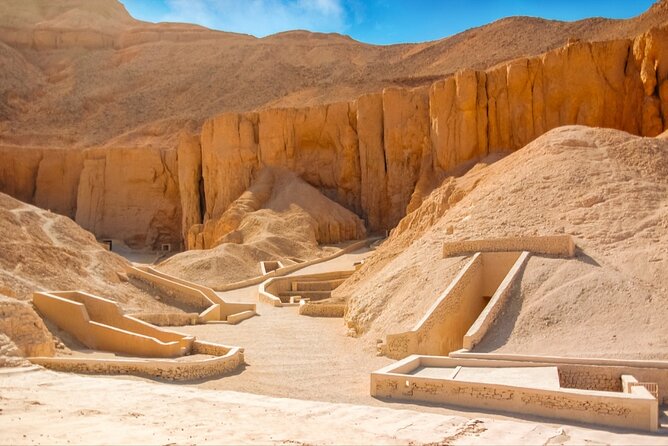
Luxor Temple closes the day with about 90 minutes. Compared with Karnak, it is easier to grasp as a single composition, with monumental entrances, columns, statues, and courtyards arranged along a clear route.
Restoration has revealed brightly colored paintings in parts of the temple. Those colors help you imagine the site as an active religious center rather than the weathered stone complex you see today. The effect is especially useful at the end of a long day, when a fresh visual detail can bring your attention back into focus.
Luxor Temple also connects well with the earlier visit to Karnak. The two sites belonged to the same ceremonial world, and the avenue of sphinxes helps you picture that connection. Your guide can fill in the gaps between the surviving structures and the modern city around them.
Ninety minutes gives you time to walk through the main areas, hear the key stories, and take photographs without turning the stop into a rushed sprint. It is also a good final site because you finish in an urban setting rather than another remote desert valley.
One supplied account recalls a guide named Salma explaining the cultural meaning of a street cat that wandered near the group. It is a small detail, but it shows the kind of human, present-day observation that can keep an ancient site from feeling sealed off from modern Egypt.
The guide is the real value
At this price, the guide is arguably the most important part of the experience. Ancient sites can be visually overwhelming, but a clear explanation gives you a way to sort what you are seeing.
The strongest guide descriptions focus on patience, clear English, historical detail, humor, and a willingness to answer questions. Sami was praised for never rushing a quiet moment at a tomb. Ahmed gave detailed answers about burial practices. Farid handled children well, while Hani was described as warm and deeply passionate about the subject.
Those are useful qualities for this particular day. You are not simply being driven to monuments for photographs. You are moving through royal burial grounds, religious centers, and political monuments with different purposes. Ask questions as they occur. The private setup gives you room to do that.
Guide quality can vary from person to person, so I would not assume you will receive a specific individual. The names above are examples of guides associated with positive accounts, not a promise of assignment.
Transport, lunch, and the $13 price
Pickup and return from your Luxor hotel are included, along with transfers in a private, air-conditioned vehicle. That is important in Luxor, where the combination of heat, dust, and long site visits can wear you down. The vehicle also gives you a quiet place to rest between the West Bank and East Bank.
One bottle of mineral water is included. Bring more water if you need it, especially during the hotter part of the year. The supplied accounts praise the clean, cool car and punctual pickup, which are practical benefits rather than flashy extras.
The advertised price is $13 per person, which is remarkably low for a private tour with transport, guide service, admission tickets, taxes, and hotel pickup. Check the exact package before paying, because lunch is included only when you choose the Car + Guide + Entry + Lunch option. The base price may therefore not represent the final cost if you want lunch added.
Tipping is not included. Keep that separate from your tour budget. Group discounts are available, and the private arrangement makes the price especially attractive for two or more people sharing the experience.
Who should book this day?
I would recommend this tour to a first-time Luxor visitor who wants the major sites handled in one organized outing. It is also a good choice for families, solo visitors, and anyone who prefers asking questions without joining a large group.
Families should appreciate the private format and the guide’s ability to adjust explanations for different ages. Solo visitors may value the calm pace and the chance to explore without having to coordinate transport alone. People with a strong interest in one particular tomb or temple should think carefully, since the schedule covers a lot of ground and does not allow unlimited time at any stop.
You should be comfortable with a full day of walking, sun, stairs, and repeated transitions between outdoor monuments and enclosed tombs. The air-conditioned vehicle helps, but this is still an active sightseeing day.
Free cancellation is available if you cancel at least 24 hours before the local start time. Changes or cancellations inside that window are not accepted for a refund.
Should you book the Luxor full-day tour?
Book it if you want breadth, private transport, and a guide-led introduction to Luxor at a very low starting price. The strongest features are the thoughtful route, the air-conditioned car, and the chance to see both banks of the Nile in one day.
Skip it if you want a slow archaeological study, long unstructured breaks, or hours inside one favorite tomb. For most first visits, though, this is a smart way to get your bearings and see the places that make Luxor essential. Choose the lunch option if you want the day’s meal included, confirm the package details, and prepare for a long but rewarding stretch of ancient Egypt.
FAQ
How long does the Luxor tour last?
The experience lasts approximately nine hours.
Which sites are included?
The route includes the Valley of the Kings, Temple of Hatshepsut at Deir el-Bahari, Colossi of Memnon, Valley of the Queens, Karnak Temple, and Luxor Temple.
Is hotel transportation included?
Yes. Pickup from your Luxor hotel and return transportation are included in a private, air-conditioned vehicle.
Is lunch included?
Lunch is included when you select the Car + Guide + Entry + Lunch option. It is not listed as included with every package.
Is this a private tour?
Yes. Only your group participates in the activity.
Can I cancel for a full refund?
Yes, if you cancel at least 24 hours before the experience start time. Cancellations or changes made less than 24 hours in advance are not accepted for a refund.
Just added around Luxor
- Private Tour foll day to East and West Banks of Luxor★ 5.0 · 23 reviews
- East and West Bank Luxor★ 5.0 · 23 reviews
- Full Day Tour to Luxor (East & West Bank)★ 5.0 · 23 reviews
- Big brother travel★ 5.0 · 23 reviews
- Luxor Day Tour :Valley of Kings & queen & Hatshepsut & Habu city★ 5.0 · 23 reviews
- Luxor: Scenic Camel or Horse Ride★ 3.9 · 24 reviews
- From Cairo: 4-Day Nile Cruise from Aswan to Luxor with Meals★ 4.4 · 24 reviews
- Traditional Egyptian Breakfast at the AlHabib Arabian Horse Farm★ 5.0 · 24 reviews
Full-Day, compared.
Shared Full-Day Tour to Luxor West and East Banks
Read our review →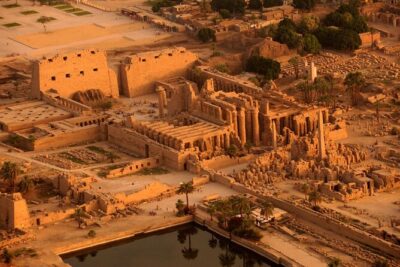
Full Day Tour to East and West Banks of Luxor
Read our review →

Private Full-Day Tour of Historical Alexandria
Read our review →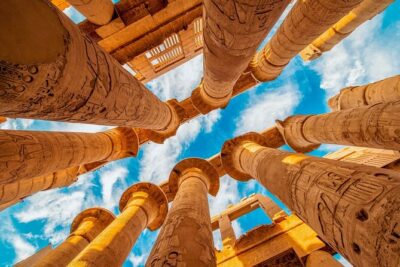
Full Day Tour to Luxor West and East Banks & Lunch
Read our review →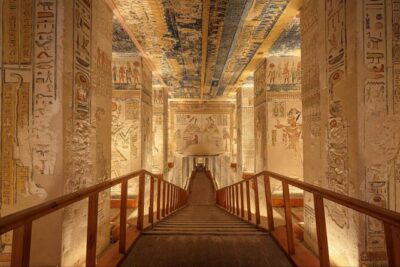
Full Day Tour of Luxor West Bank Temples and Tombs (Private)
Read our review →Browse the lists this tour appears in