
Reviewed · GUIDED
Luxor: East and/or West Banks Guided Tour with Lunch
Luxor rewards an early start. This guided tour brings together royal tombs and grand temples, with transport, an Egyptologist guide, entrance tickets, lunch, and mineral water included. I especially like the chance to see both sides of the Nile in one outing, and the easy hotel pickup from Luxor’s East Bank. The main caution is pace: five major sights, lunch, and a possible boat ride can make the day feel rushed.
The tour also offers useful flexibility. You can choose the East Bank, the West Bank, or a full-day visit, depending on the option booked. Some guides, including Mohamed, have earned praise for clear explanations and a friendly manner, while other experiences have involved hurried visits and unwanted shopping stops, so expectations and boundaries matter.
In This Review
- Five Details That Shape the Experience
- Why This Luxor Tour Makes Sense
- The Valley of the Kings: Tombs Beneath the Hills
- Hatshepsut’s Temple and a Powerful Female Ruler
- The Colossi of Memnon: A Brief but Useful Stop
- Lunch at a Local Restaurant
- Karnak Temple: The Day’s Biggest Monument
- Luxor Temple After Sunset, If Timing Allows
- The Boat Ride and What You Should Expect
- Guide Quality, Shopping Stops, and Personal Boundaries
- Pickup, Timing, and Who Should Book
- Should You Book This Luxor Tour?
- FAQ
- How long does the Luxor tour last?
- Does the tour visit both the East and West Banks?
- Which West Bank sights are included?
- Which East Bank sights are included?
- Is hotel pickup included?
- Is lunch included?
- Is the felucca ride included?
Five Details That Shape the Experience
- Three famous royal tombs: The Valley of the Kings visit includes the tombs of Ramesses III, Ramesses VI, and Merenptah.
- Two sides of Luxor in one day: The full option links the West Bank tombs with Karnak and Luxor Temple on the East Bank.
- A guide makes the difference: Mohamed has been praised for explaining Egypt clearly, but guide quality can vary.
- Lunch is included: You eat at a local restaurant, though drinks are extra.
- Pickup is easiest on the East Bank: West Bank accommodations use the El Mesala Hotel meeting point.
- The optional boat ride depends on wind: A felucca may be replaced by a motorboat if conditions are calm.
Why This Luxor Tour Makes Sense
Luxor is split by the Nile, and its major sights are spread across both banks. The West Bank is tied to death and burial, with royal tombs and mortuary temples. The East Bank was the center of religious and civic life, home to Karnak and Luxor Temple.
That geography makes a guided tour useful. You do not need to work out separate transport between every stop, and you can spend your energy looking at the monuments rather than negotiating each ride. The air-conditioned vehicle is a welcome feature in Egypt’s heat, especially after walking through exposed temple courtyards.
At $62 per person, the package offers solid value if you choose the full East and West Banks option. You are paying for transport, a professional Egyptologist guide, entrance tickets tied to the option you select, lunch, water, and service taxes. Buying the same pieces separately could take more time and planning.
The value drops if you only want one bank and prefer to explore slowly. This is a sightseeing-heavy day, not a leisurely archaeological study. You will see a lot, but you may not have unlimited time at each monument.
More things to do in Luxor:
- Hurghada: Luxor Valley of the Kings & Tutankhamun Tomb Trip
★ 4.7 · 13,208 reviews - Luxor Day Trip from Hurghada Small Group & Tutankhamun Tomb
★ 4.8 · 5,366 reviews - Hot Air Balloon Ride in Luxor Egypt with Transfers Included
★ 5.0 · 4,319 reviews
The Valley of the Kings: Tombs Beneath the Hills
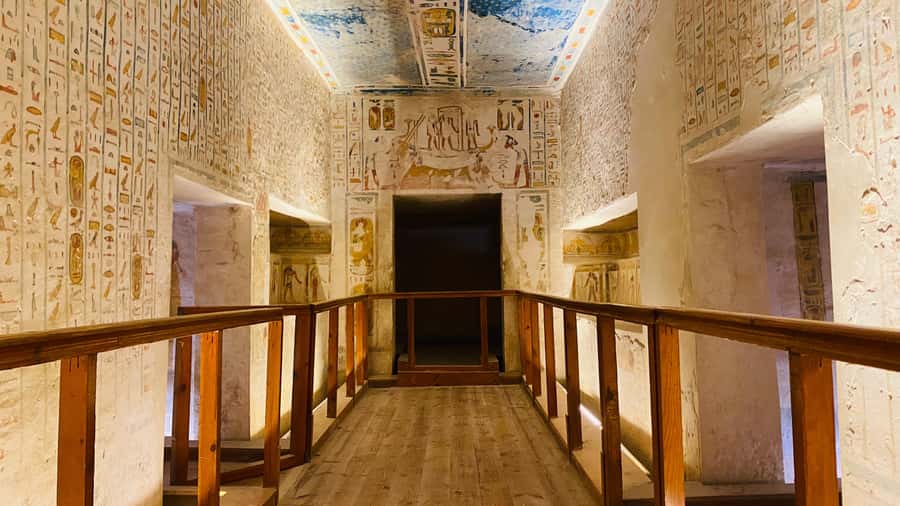
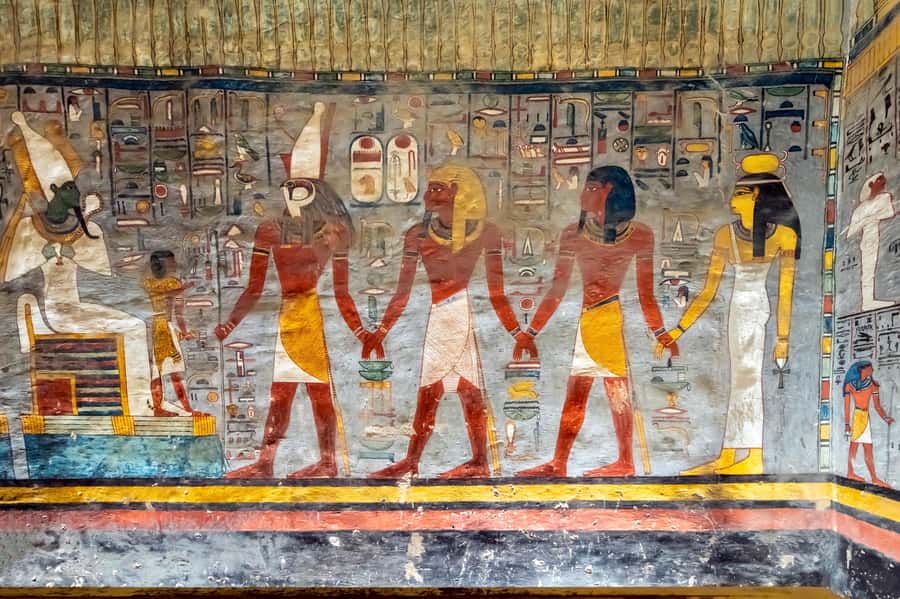
The West Bank usually begins with the Valley of the Kings, where pharaohs were buried in rock-cut tombs rather than the older pyramid complexes. The setting is stark and dry, with the tomb entrances cut into the hills. Inside, painted walls and ceilings show gods, rituals, and scenes meant to help the dead reach the afterlife.
This tour allows about two hours here, which is the longest stop of the day. That matters because the Valley is not one single monument. You move between separate tombs, each with its own corridors, chambers, colors, and degree of preservation.
The stated visit includes the tombs of Ramesses III, Ramesses VI, and Merenptah. These names give the stop real focus. You are not simply walking through a famous site and checking it off. You have three royal burial places to compare.
Ramesses VI is especially known for its decorated passageways and ceiling imagery, while the tombs connected with Ramesses III and Merenptah offer different layouts and surviving decoration. Exact access can depend on the ticket option and current site arrangements, so confirm which entrances are included when you book.
Wear comfortable shoes. The ground can be uneven, and the tomb interiors require walking, standing, and sometimes negotiating narrow passages. A sun hat and sunscreen are essential outside, while the tombs themselves provide a cooler break from the sun.
One practical warning: the schedule may include a stop at a shop before the first tomb or other commercial visits. You are not required to buy anything. If you want more time inside the Valley, tell your guide politely and clearly that the tombs are your priority.
Hatshepsut’s Temple and a Powerful Female Ruler
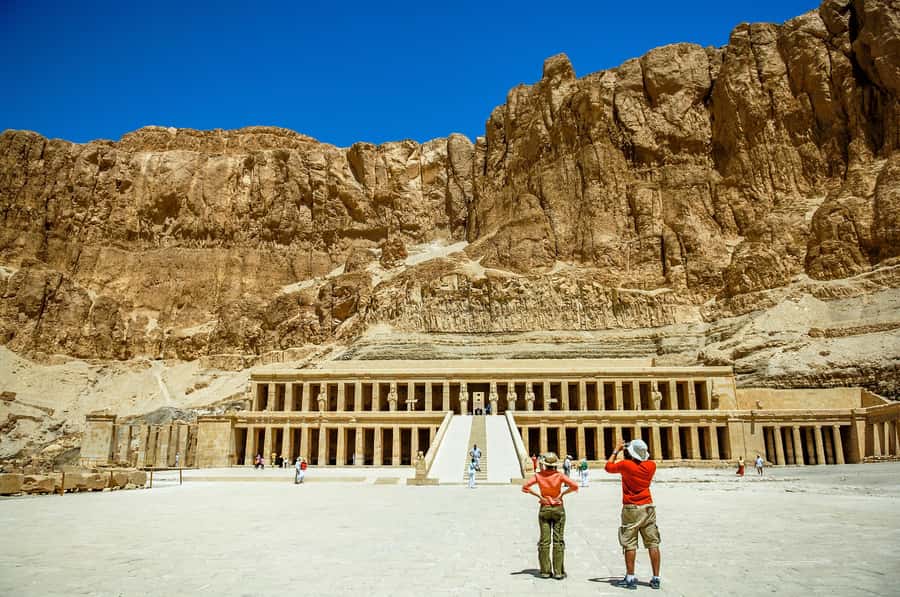
From the Valley, the tour continues to the Temple of Queen Hatshepsut. The temple is built in broad terraces against the cliffs, with long ramps and strong horizontal lines. It feels different from the enclosed spaces of the Valley of the Kings, giving you a chance to walk in open air and see how the building relates to the surrounding rock.
Hatshepsut ruled Egypt for about two decades. Her reign is remembered for stability, trade, building projects, and political skill. The temple was created as a mortuary monument, but it also served as a statement of authority. Reliefs show religious scenes and the trading expedition to Punt, an important source of wealth and exotic goods.
The scheduled visit lasts about an hour. That is enough to see the main terraces and hear the basic story, but the stop can feel short if you want to inspect every relief. A good guide should help you notice details instead of offering only a quick list of dates.
This is one place where guide quality matters greatly. A clear explanation turns the terraces into a story about power, image, and the role of women in ancient Egypt. A rushed talk can leave you with little more than photographs.
The Colossi of Memnon: A Brief but Useful Stop
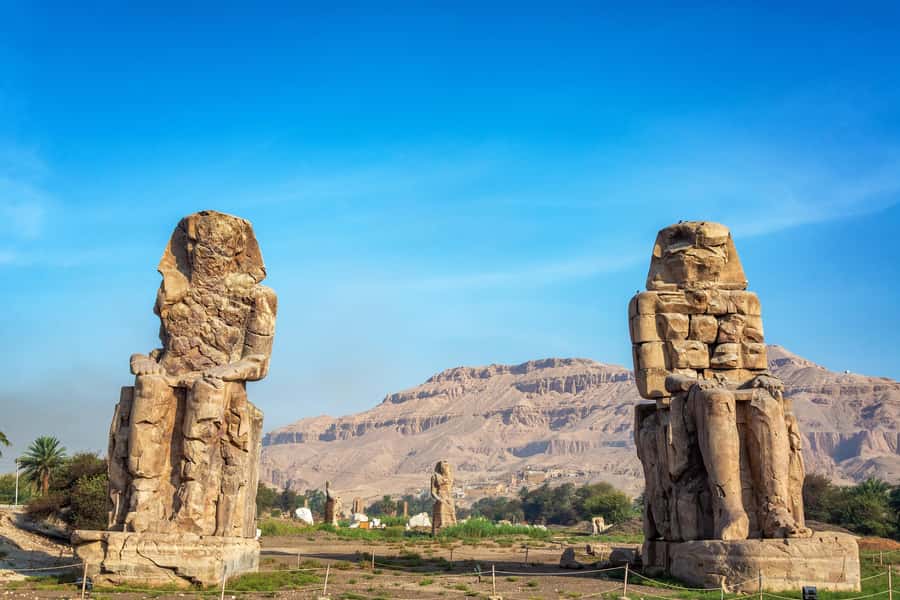
The Colossi of Memnon receive about 30 minutes. These huge seated statues once guarded the entrance to the mortuary temple of Amenhotep III. The temple itself has largely disappeared, but the two statues remain a strong reminder of its former scale.
This stop is short and easy. You can look closely at the carved stone, take photographs, and listen to the explanation without a long walk. It is also a useful pause between larger sites.
The statues are often associated with the name Memnon because of ancient Greek stories about a statue that made a sound at sunrise. The tour description identifies the site as the mortuary temple of Amenhotep III, which is the more useful historical connection for understanding what you are seeing.
Do not expect a full temple visit here. The attraction is the surviving pair of statues and the story of the vanished complex. If you want extended archaeological context, save your questions for your guide or use the longer stops at Karnak and Luxor Temple.
More trips with lunch in Luxor:
- Luxor : Full Day Tour to Luxor West and East Banks & Lunch
★ 5.0 · 870 reviews - Luxor: Karnak Temple and Luxor Temple Tour with Lunch
★ 4.4 · 658 reviews - From Luxor: Guided Tour to East or West Banks with Lunch
★ 4.5 · 604 reviews - Luxor: Abu Simbel Temple Private Guided Day Trip with Lunch
★ 4.6 · 546 reviews
Lunch at a Local Restaurant
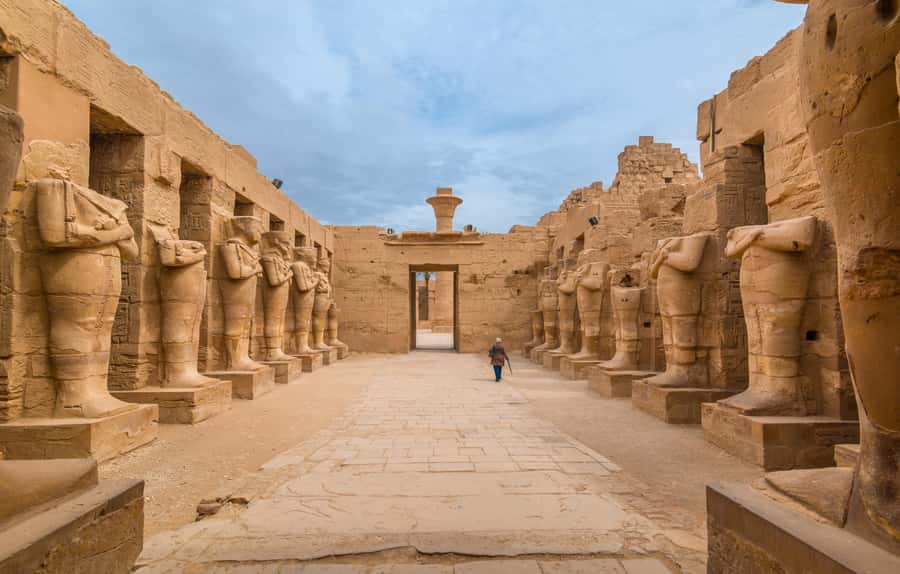
Lunch is scheduled for about an hour in Luxor at a local restaurant. It breaks up the morning’s walking and gives you a chance to sit in the shade before the East Bank temples.
The meal is included, but drinks are not. Carrying mineral water is still sensible even though water is supplied during the drive. If you have dietary needs, ask about the meal arrangements when booking, since no special menu information is provided.
Lunch is also a good moment to reset your expectations. The full day can last up to eight hours, and the heat makes each temple visit more tiring than the clock suggests. Eat enough to keep going, but do not assume the meal will be a long cultural event. Its main job is practical: food, rest, and a break.
Karnak Temple: The Day’s Biggest Monument
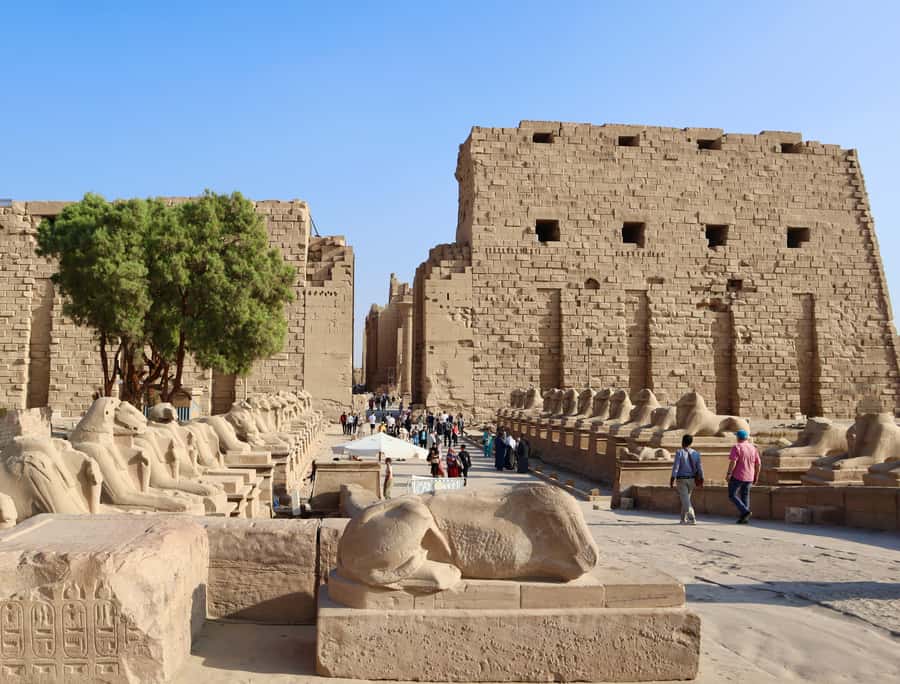
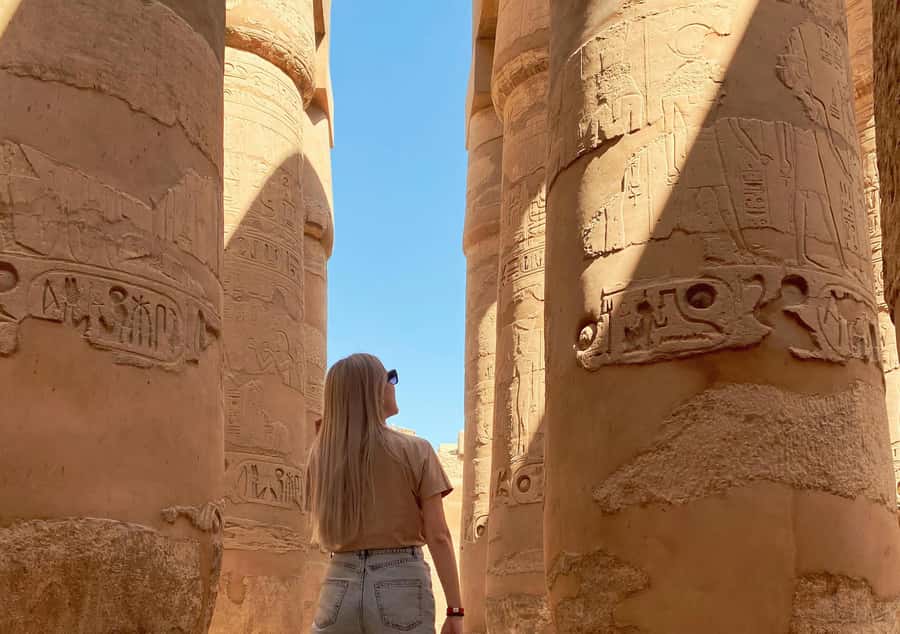
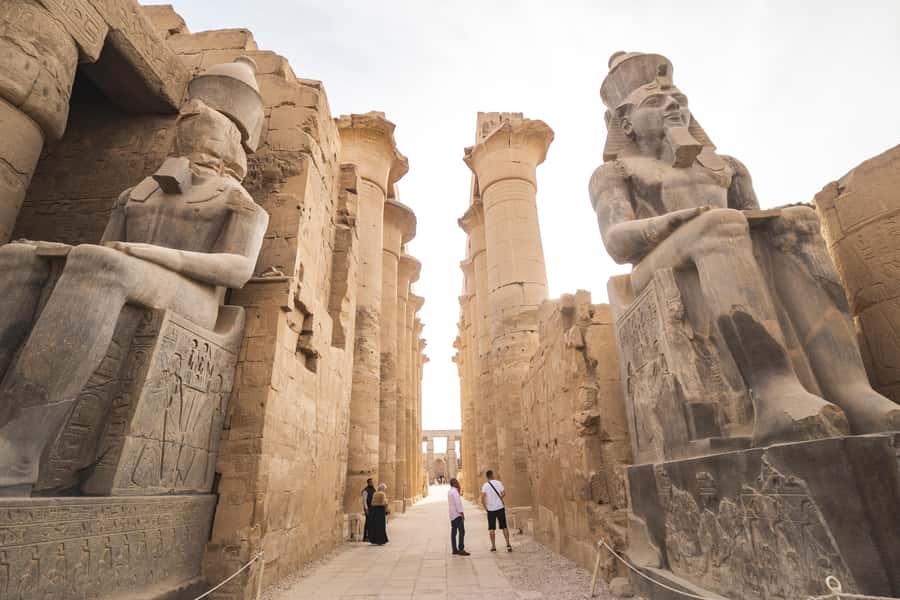
Karnak is the East Bank’s heavyweight. The complex grew over many centuries and includes sanctuaries, courts, columns, obelisks, and sacred spaces linked to the Theban religious center. The most famous area is the Great Hypostyle Hall, with its forest of enormous columns.
The tour allows about an hour here. That is enough to see major sections with a guide, but not enough to examine every corner of the complex. Karnak is vast, and a first visit can become confusing without a clear route.
I would pay close attention during the guide’s introduction. The value of an Egyptologist is not just naming the columns. You want help understanding how different rulers added to the complex, how the temple was used, and why the scale mattered.
The tour presents Karnak as the largest temple in the world. More precisely, it is a huge temple complex that expanded over generations, and its size is one of the reasons it can overwhelm first-time visitors. A guide can turn that size into a sequence of manageable parts.
Expect plenty of walking on exposed ground. Comfortable shoes, sunscreen, and a hat are not optional comforts here. Large bags and luggage are not allowed, so bring only what you need for the day.
Luxor Temple After Sunset, If Timing Allows
Luxor Temple offers a different mood from Karnak. It is more compact and arranged along a processional axis, with monumental gateways, statues, columns, and later additions from different periods. The temple was connected with Karnak by an avenue of sphinxes, linking the two major religious centers.
The scheduled visit lasts about an hour. That gives you time to see the entrance, the great court, the colonnade, and the deeper sanctuary areas, depending on the route and access that day.
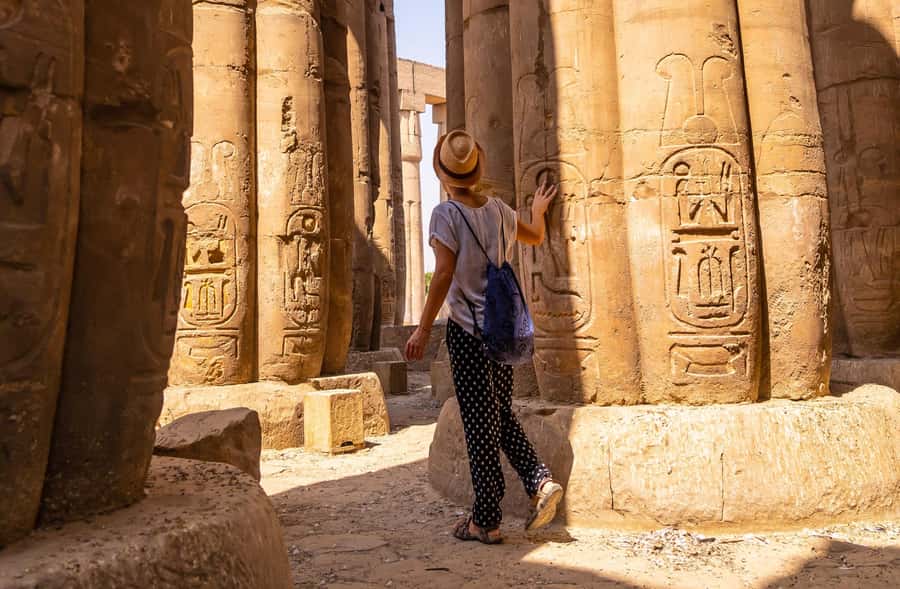
This temple is especially good for understanding how ancient Egyptian monuments were reused. Later rulers and religions left their mark, and a guide can point out how the site changed over time. The remains are not frozen in one period, and that layered story makes the visit more interesting.
A full East and West Banks day places Luxor Temple late in the schedule. That can work well because the sequence moves from tombs and mortuary buildings to temples made for public religious ceremonies. It can also mean tired legs by the time you arrive.
If you are choosing only the East Bank option, Karnak and Luxor Temple form a sensible pair. You see the largest complex first, then a more concentrated temple with a strong visual finish.
The Boat Ride and What You Should Expect
The schedule includes a one-hour boat cruise in Luxor, but the details require care. A felucca ride is an add-on rather than part of the standard inclusions, and it depends on wind conditions. When the wind is not suitable, a motorboat may be provided instead.
That means you should not book this experience solely for a traditional sailboat ride. Treat the cruise as an optional extra and confirm the cost before agreeing to it. The listed exclusions specifically note that the felucca ride is not included.
A Nile crossing or short cruise can be a pleasant change after temple visits. Still, an extra boat stop may contribute to the feeling of a rushed day, particularly if you value more time at Karnak or in the Valley of the Kings.
Guide Quality, Shopping Stops, and Personal Boundaries
The strongest praise connected with this experience concerns the guides. Mohamed has been described as friendly and very good at explaining Egypt, and another French-language experience was positive about the guide’s ability to share information. The available languages are English, French, and German.
The less positive experiences point to two issues: a rushed schedule and commercial stops. Some tours may include a shop selling tourist goods, a stone shop, or a perfume and oil store. These places may be expensive, and you can feel pressure to buy.
I would set your expectations before the vehicle leaves. Say clearly that you want time at the monuments and that you are not interested in shopping. You can also ask how long each stop will last. A firm but polite answer should help keep the day focused.
There is also an important personal-safety point. One woman described repeated unwanted invitations and overly familiar language from her guide after the tour. That behavior is unacceptable. If you are booking alone, especially as a woman, consider sharing your boundaries at the start, keeping communication professional, and reporting any inappropriate conduct to the provider immediately.
These issues do not erase the good guides, but they do mean the human element matters. The monuments are fixed. The quality of your day depends heavily on who explains them and how the schedule is handled.
Pickup, Timing, and Who Should Book
Pickup and drop-off are included from hotels on Luxor’s East Bank. If you stay on the West Bank, you need to meet the group at El Mesala Hotel. Airport pickup and drop-off cost extra.
The experience lasts between five and eight hours, depending on the option and starting time. That range is wide enough to affect your plans, so check the exact departure when booking. Last-minute reservations made within 24 hours may be moved to another day if space is limited.
This tour suits you if you want the main Luxor sights arranged in one day, prefer an air-conditioned vehicle, and value explanations over independent wandering. It is also useful if your time in Luxor is short and you want both banks without arranging several separate rides.
You may prefer a private or slower tour if you want long photography stops, detailed tomb study, or complete control over the route. The five major attractions, lunch, and possible boat ride create a full schedule. It is efficient, but efficiency can come at the cost of quiet time.
The tour is not suitable for wheelchair users. Bring comfortable shoes, a sun hat, and sunscreen, and leave large bags and luggage behind.
Should You Book This Luxor Tour?
I would book it if you have one day for Luxor and want the essential East and West Bank sights handled for you. At $62, the combination of transport, guide, tickets, lunch, water, and taxes is attractive, especially for the full-day option.
I would book with two conditions. First, confirm exactly which bank or banks are included in your chosen option. Second, make clear that you want the temples prioritized over shopping stops. If you receive a guide like Mohamed, the explanations can make the difference between a procession of old stones and a readable story about rulers, burial, religion, and power.
Choose this tour for breadth and convenience. Choose something slower if depth and personal freedom matter more.
FAQ
How long does the Luxor tour last?
The experience lasts between five and eight hours. The exact duration depends on the option selected and the available starting time.
Does the tour visit both the East and West Banks?
The full-day option visits both banks. Other options may focus on the East Bank or West Bank, so check which option you select before booking.
Which West Bank sights are included?
The West Bank visit includes the Valley of the Kings, the Temple of Queen Hatshepsut, and the Colossi of Memnon. The Valley visit includes the tombs of Ramesses III, Ramesses VI, and Merenptah.
Which East Bank sights are included?
The East Bank visit includes Karnak Temple and Luxor Temple when the East Bank or full-day option is selected.
Is hotel pickup included?
Pickup and drop-off are included from accommodations on Luxor’s East Bank. If you stay on the West Bank, you need to meet at El Mesala Hotel. Airport transfers cost extra.
Is lunch included?
Yes. Lunch at a local restaurant is included. Drinks during lunch are not included.
Is the felucca ride included?
No. The felucca ride is an optional add-on. It depends on wind conditions, and a motorboat may be used instead when there is not enough wind.
Just added around Luxor
- Private Tour foll day to East and West Banks of Luxor★ 5.0 · 23 reviews
- Full Day Tour to Luxor (East & West Bank)★ 5.0 · 23 reviews
- East and West Bank Luxor★ 5.0 · 23 reviews
- Big brother travel★ 5.0 · 23 reviews
- Luxor Day Tour :Valley of Kings & queen & Hatshepsut & Habu city★ 5.0 · 23 reviews
- Luxor: Scenic Camel or Horse Ride★ 3.9 · 24 reviews
- From Cairo: 4-Day Nile Cruise from Aswan to Luxor with Meals★ 4.4 · 24 reviews
- Traditional Egyptian Breakfast at the AlHabib Arabian Horse Farm★ 5.0 · 24 reviews
Guided, compared.
Private guided tour to Giza Pyramids, and Great Sphinx
Read our review →
Female-Guided Pyramids, Sphinx & Museum City Tour
Read our review →
Morning or Sunset Sights Guided Tour with Shopping
Read our review →
Egyptian Museum, Citadel, and Old Cairo Guided Tour
Read our review →
Private or Shared City Tour with Guide & Shopping
Read our review →
Giza Sunrise Pyramid Guided Tour With Camel Ride & Breakfast
Read our review →
Old Cairo Guided Walk Tour: History, Culture & Street Bites
Read our review →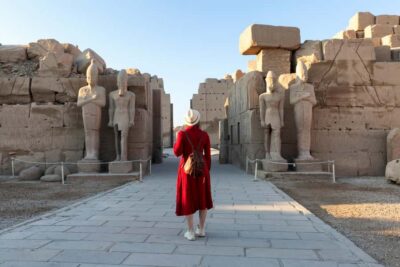
Browse the lists this tour appears in