
Reviewed · KARNAK & LUXOR TEMPLE TOURS
Luxor Private Half- DayTour: Karnak & Luxor Temples
Ancient Egypt comes alive on Luxor’s East Bank. This private half-day outing pairs Karnak Temple with Luxor Temple, using a licensed Egyptologist to explain what you are seeing instead of leaving you to decode endless columns alone. I especially like the included pickup and return, plus the private format, which gives you room to ask questions and set the pace.
The $80 price is fair when you count the two admission tickets, private air-conditioned transport, bottled water, and guide. The strongest praise goes to guides such as Anton, Abdu, Ahmed, Muhamed, Youssef, Hajjaj, and Barry, who were described as patient, attentive, and well informed. The main caution is guide quality: one unhappy guest found the English difficult and the commentary repetitive, so the experience depends heavily on who leads your group.
- Karnak gets two hours: That is enough time for a meaningful first look at the huge complex, including the Sacred Lake and famous scarab statue.
- Luxor Temple adds a different mood: One hour here brings together Pharaonic, Coptic, and Islamic layers in the heart of modern Luxor.
- Private means personal attention: Your group alone takes part, making it easier to ask questions or request time to look around.
- Transfers are built in: Pickup and return from your Luxor hotel or Nile cruise reduce the usual bargaining and transport fuss.
- The price covers the essentials: Both temple admissions, a private air-conditioned vehicle, a licensed Egyptologist, water, taxes, and service charges are included.
- Book with guide expectations in mind: Most feedback is strongly positive, but clear English and strong site knowledge are not equally guaranteed with every guide.
In This Review
- Why This East Bank Tour Works So Well
- Starting at Karnak, Luxor’s Giant Temple Complex
- The Great Scale of Karnak
- The Sacred Lake and Scarab Statue
- What Karnak May Feel Like
- Seeing the Layered Story of Luxor Temple
- Why a Private Egyptologist Changes the Visit
- Transport, Timing, and What the $80 Covers
- The Best Time to Use This Half-Day Plan
- How the Experience Handles Different Interests
- Practical Advice Before You Go
- Should You Book This Karnak and Luxor Tour?
- FAQ
- How long does the tour last?
- What sites are included?
- Is hotel or cruise pickup included?
- Are admission tickets included?
- Is this a private tour?
- Who leads the tour?
- What happens if I need to cancel?
Why This East Bank Tour Works So Well
Luxor is packed with major ancient sites, but the East Bank temples are the easiest pair to fit into a short schedule. Karnak and Luxor Temple sit close enough together for a sensible morning or afternoon visit, and both show how religion, royal power, and daily life were expressed in stone.
I like this arrangement because you get scale first, then detail. Karnak is the great sprawling temple complex, with broad courts, columns, statues, and sacred spaces. Luxor Temple feels more compact and focused, with a clear processional axis and a striking setting in the middle of town.
The tour lasts about three to four hours, with roughly two hours at Karnak and one hour at Luxor Temple. The remaining time covers pickup, the short transfer between sites, and the ride back to your starting point. That is a useful length if you have only part of a day in Luxor or need to return to a cruise schedule.
You also avoid the awkwardness of arranging separate taxis, buying tickets at two locations, and finding someone to explain the inscriptions. Your guide handles the transport while you concentrate on the monuments.
Starting at Karnak, Luxor’s Giant Temple Complex
Your guide from Reflections Travel picks you up at your hotel or Nile cruise and takes you to Karnak on the East Bank. The complex was dedicated to Amun, along with his wife Mut, and grew over many years rather than appearing as one single royal building.
That long development is part of what makes Karnak so impressive. You are not looking at one tidy temple with one construction date. You are moving through a large religious center shaped by successive rulers and changing needs.
The two-hour visit gives your Egyptologist enough time to explain the major areas without forcing you to rush from one photo stop to another. A private guide can also pause when you have a question, which is much harder in a large group where the schedule may be fixed.
More Karnak and Luxor Temple visits:
- Hurghada: Luxor Tour with Valley of Kings, Karnak & Tut Tomb
★ 4.6 · 1,082 reviews - Luxor: Valley of Kings, Hatchepsut Temple ,Karnak & Luxor-DayTour
★ 5.0 · 735 reviews - Luxor: Karnak Temple and Luxor Temple Tour with Lunch
★ 4.4 · 658 reviews
The Great Scale of Karnak
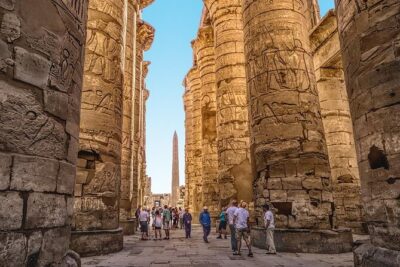
Karnak can feel confusing at first. There are pylons, courts, columns, statues, chapels, and fragments spread across a large area. Without context, it is easy to admire the stonework while missing how the spaces once worked.
This is where the guide matters most. A good explanation helps you understand the complex as a place of ceremony and worship, not merely a collection of ruins. Several highly praised guides were singled out for explaining unfamiliar historical details clearly, while Youssef was praised for his care around the carvings and his concern that people not touch the temple walls.
The private arrangement is especially helpful here. You can ask what a particular relief shows, why certain figures appear repeatedly, or how the temple was used. You are not limited to the standard speech if your guide is willing to tailor the visit.
The Sacred Lake and Scarab Statue
The Sacred Lake is one of the specific places included in the visit. It offers a quieter contrast to the heavy stone architecture and helps you picture the ritual side of the temple complex.
You will also see the large scarab statue. Local tradition says that walking around it and making a wish may bring good luck. Treat that as folklore rather than a historical guarantee, but it adds a light, human moment to a site otherwise filled with royal power and religious symbolism.
Allow yourself time to look closely. Karnak rewards attention to small carvings as much as wide views of columns. Your guide can point out details you might pass without noticing, then give you time to explore on your own. Muhamed was especially praised for allowing as much independent inspection as desired, a useful quality at a place where you could easily spend longer than planned.
What Karnak May Feel Like
Karnak is the more demanding stop. The size can be tiring, and two hours may feel quick if you want to examine every court and relief. You should wear practical footwear and expect to spend much of the visit outdoors, though the tour information does not specify the exact walking route or shade available.
The upside is that you see one of the world’s great temple complexes without spending an entire day there. If you are visiting Luxor on a short stop, this is a sensible compromise.
More things to do in Luxor:
- Hurghada: Luxor Valley of the Kings & Tutankhamun Tomb Trip
★ 4.7 · 13,208 reviews - Luxor Day Trip from Hurghada Small Group & Tutankhamun Tomb
★ 4.8 · 5,366 reviews - Hot Air Balloon Ride in Luxor Egypt with Transfers Included
★ 5.0 · 4,319 reviews - Luxor: Shared Full-Day Tour to Luxor West and East Banks
★ 4.5 · 1,812 reviews
Seeing the Layered Story of Luxor Temple
After Karnak, you continue to Luxor Temple for about an hour. The temple was begun by Amunhotep III in the 18th Dynasty and completed by Ramesses II in the 19th Dynasty. Ramesses II, one of the best-known rulers of Pharaonic Egypt, is closely tied to the monument.
Luxor Temple differs from Karnak in size and feel. It is a more concentrated visit, so you can take in the main layout without the same sense of being swallowed by the site. The temple’s position within present-day Luxor also makes the connection between ancient and modern life especially clear.
The site reflects three religious and cultural periods: Pharaonic, Coptic, and Islamic. Your guide can help you notice these layers and explain how the same place continued to matter after the age of the pharaohs.
That is one of the best reasons to keep a guide with you. The stones do not explain their own changes very well. A relief, reused wall, or later feature may look like a random addition unless someone gives you the story behind it.
One hour is enough for an introduction, but it is not generous if you want a slow, detailed examination. I would treat this stop as a focused overview rather than a complete study of every inscription.
Why a Private Egyptologist Changes the Visit
The private format is the main reason to choose this experience over a basic transport-and-ticket package. Only your group takes part, so you can ask questions without worrying about holding up a busload of people.
The guide is also more than a driver. The package specifies a qualified, fully licensed Egyptologist, and the best feedback describes guides who explain carefully, respond to questions, and adjust to the needs of adults and children. Hajjaj was praised for making sure every member of one family, including a child, received the information they wanted.
The names praised most warmly include Anton, Abdu, Ahmed, Muhamed, Youssef, Hajjaj, and Barry. Their strengths varied slightly, but the repeated themes were patience, clear explanations, care, and a genuine interest in ancient Egyptian culture. Barry in particular was described as a guide who truly cared about the experience.
Still, you should keep expectations realistic. The one poor assessment raises a valid concern: a guide may have a heavy accent, limited vocabulary, or a rehearsed explanation that does not go far beyond basic remarks. No tour company can make every guide feel identical, and this is the biggest variable in an otherwise straightforward tour.
If your guide’s explanation is unclear, ask direct questions early. A private tour gives you that opening. You can ask for slower English, request more detail about a specific monument, or say that you want time to explore quietly.
Transport, Timing, and What the $80 Covers
The tour costs $80 per person. That is not the cheapest way to see two temples, but it is a reasonable price if you value convenience and explanation.
The cost includes:
- Pickup and return from your hotel or Nile cruise
- Private transfers in an air-conditioned vehicle
- A qualified, fully licensed Egyptologist
- Bottled water
- Karnak Temple admission
- Luxor Temple admission
- Taxes and service charges
The value improves for couples, families, or small groups who would otherwise pay separately for transport, entry tickets, and a guide. Because the vehicle and guide are private, you are paying for control as well as transportation.
You should remember that tipping is not included. Optional tours are also outside the price, though this itinerary already covers the two main East Bank temples.
The pickup service is especially useful if you are staying on a Nile cruise. You do not need to find a taxi in an unfamiliar city or negotiate a price before you have even started sightseeing. Just make sure your starting point is clearly confirmed when you book.
The experience is commonly reserved about 23 days ahead. That gives you a useful planning clue: it is not a last-minute-only product. If your Luxor dates are fixed, booking ahead may be sensible, especially if you want a private visit.
The Best Time to Use This Half-Day Plan
This outing suits several kinds of schedules. I would consider it a strong fit if you are:
- Staying in Luxor for only a short time
- Traveling by Nile cruise with limited time on the East Bank
- Visiting with family and wanting a guide who can adjust explanations
- Interested in ancient Egypt but unsure how to read temple layouts
- Looking for a private alternative to a large group tour
- Keen to see both major East Bank temples in one outing
It also works well as a first introduction to Luxor. After three or four hours, you will have a better sense of the city’s ancient religious center and can decide if you want to return to one site for a slower visit.
The plan is less suitable if you want several hours at each temple or hope to cover every major Luxor sight in one outing. There are no West Bank attractions in this schedule, and no optional stops are included. You will not see the Valley of the Kings, Hatshepsut Temple, or the Colossi of Memnon as part of this experience.
That limitation is not a flaw, but it matters. This is specifically an East Bank temple tour, not a full Luxor sightseeing day.
How the Experience Handles Different Interests
If you care most about architecture, Karnak will probably be your highlight. The immense scale, sacred spaces, columns, and royal additions give your guide plenty to explain.
If you prefer a more compact historical visit, Luxor Temple may suit you better. The connections between Pharaonic, Coptic, and Islamic periods give the site a layered story within a shorter walking area.
Families may appreciate the private setting because you can ask for simpler explanations or pause when a child loses interest. One strong account specifically noted that the guide made sure a child received the information wanted.
Photographers will find plenty of dramatic stonework, but the supplied details do not promise any special photography arrangements or specific lighting conditions. If photographs are important to you, ask your guide about the best places to pause once you meet.
History fans should pay close attention to the guide’s quality. The difference between a basic tour and a memorable one is not the admission ticket. It is the explanation connecting Amun, the royal builders, religious practice, and the later use of the site.
Practical Advice Before You Go
Wear comfortable shoes. Even a three-hour visit can involve substantial walking around temple courts and open areas.
Bring curiosity, not just a camera. Ask your guide about the purpose of the Sacred Lake, the scarab tradition, and the changes made by different rulers. The private format gives you a rare chance to shape the conversation.
Keep the schedule in mind. Karnak receives about two hours and Luxor Temple about one, so do not assume you can linger indefinitely at the first site. If you have a strong preference, mention it to your guide at the start.
Bottled water is supplied, but you may still want to plan for the heat and outdoor walking. The tour uses an air-conditioned private vehicle, which gives you a cool break between stops and on the return journey.
Confirmation is provided at booking, and free cancellation is available up to 24 hours before the start time for a full refund. Changes or cancellations made inside that 24-hour window are not accepted for a refund, with cut-off times based on Luxor’s local time.
Should You Book This Karnak and Luxor Tour?
I would book it if you want the two main East Bank temples explained properly without giving up the ease of private transport. The included tickets, licensed Egyptologist, hotel or cruise pickup, water, and return transfer make $80 a reasonable package price.
The best reason to choose it is the chance of getting a guide such as Anton, Abdu, Ahmed, Muhamed, Youssef, Hajjaj, or Barry. Their reported strengths match what these temples need: patience, clear historical context, and time for your own questions.
I would hesitate only if you need guaranteed guide fluency at a very high level or want a longer, slower study of each monument. The single poor account shows that guide quality can vary.
For most people with a half-day available, this is a practical and worthwhile way to meet Karnak and Luxor Temple. Book it for the private attention and the included logistics, then make the most of the visit by asking questions rather than simply following the guide from one column to the next.
FAQ
How long does the tour last?
The experience lasts approximately three to four hours, including the visits to Karnak Temple and Luxor Temple, transfers between the sites, and the return to your starting point.
What sites are included?
The tour includes Karnak Temple Complex and Luxor Temple on Luxor’s East Bank.
Is hotel or cruise pickup included?
Yes. Pickup and return are included from your Luxor hotel or Nile cruise.
Are admission tickets included?
Yes. Entry to both Karnak Temple and Luxor Temple is included in the price.
Is this a private tour?
Yes. This is a private activity, and only your group participates.
Who leads the tour?
A qualified and fully licensed Egyptologist guide from Reflections Travel leads the experience.
What happens if I need to cancel?
You can cancel at least 24 hours before the start time for a full refund. Cancellations or changes made less than 24 hours before the start time are not accepted for a refund.
Just added around Luxor
- Private Tour foll day to East and West Banks of Luxor★ 5.0 · 23 reviews
- East and West Bank Luxor★ 5.0 · 23 reviews
- Full Day Tour to Luxor (East & West Bank)★ 5.0 · 23 reviews
- Big brother travel★ 5.0 · 23 reviews
- Luxor Day Tour :Valley of Kings & queen & Hatshepsut & Habu city★ 5.0 · 23 reviews
- Luxor: Scenic Camel or Horse Ride★ 3.9 · 24 reviews
- From Cairo: 4-Day Nile Cruise from Aswan to Luxor with Meals★ 4.4 · 24 reviews
- Traditional Egyptian Breakfast at the AlHabib Arabian Horse Farm★ 5.0 · 24 reviews
Karnak & Luxor Temple Tours, compared.
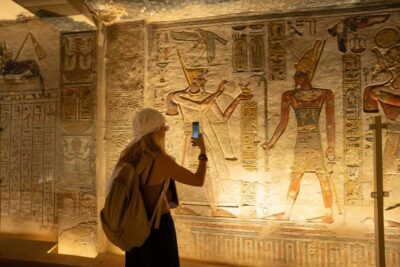
Luxor Tour with Valley of Kings, Karnak & Tut Tomb
Read our review →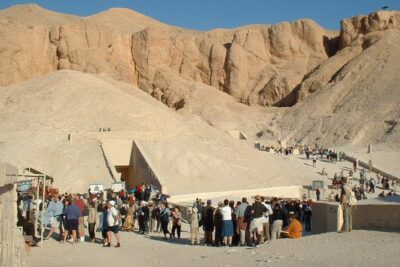
Valley of Kings, Hatchepsut Temple ,Karnak & Luxor-DayTour
Read our review →
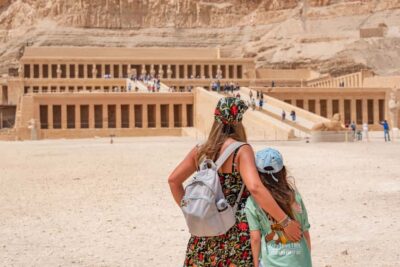
Valley of Kings Hatshepsut & Karnak Luxor Day Trip
Read our review →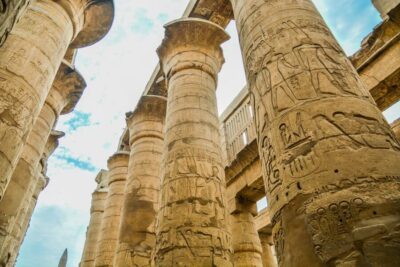
Valley of the Kings & Karnak Temples Luxor Tour
Read our review →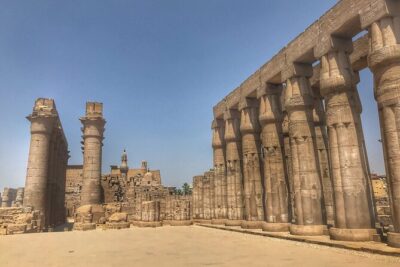
Private Half-Day Tour to Karnak & Luxor Temples From Luxor
Read our review →
Half Day East Bank Tour to Luxor and Karnak Temples (Private)
Read our review →Browse the lists this tour appears in