
Reviewed · FULL-DAY
Luxor: West & East Banks & Tut’s Tomb Private Full-Day Tour
Luxor packs centuries into one long day. I like the private car and guide, which let you adjust the pace, and I like how the route joins the West Bank’s royal tombs with Karnak and Luxor Temple. The main caution is the schedule: eight hours covers a lot of ground, and Tutankhamun’s tomb may require an extra 700 Egyptian pounds.
This $140-per-person tour includes hotel pickup and drop-off, entry fees, an English-speaking guide, and lunch. Guides such as Mina, Salma, Mahmoud Issa, Manal, Nelly, and Remon have been praised for clear explanations and patience, while drivers are often noted for safe driving, cool air-conditioned cars, and prompt pickups.
I would choose this for a first visit or a short stay in Luxor. You should expect plenty of walking, heat in the warmer months, and a packed day. The private format helps, but this is still an ambitious introduction to one of Egypt’s greatest concentrations of ancient sites.
In This Review
- Key points to know before booking
- Why this private Luxor route works
- Valley of the Kings: royal tombs beneath the desert hills
- Valley of the Queens: a different view of royal burial
- Hatshepsut’s three terraces in Deir el-Bahari
- Colossi of Memnon: a quick stop with huge statues
- Local lunch with a taste of Egypt
- Karnak Temple: give the largest complex your attention
- Luxor Temple after sunset or late in the day
- Guides, drivers, and the private-car advantage
- Is $140 good value?
- Who should book this eight-hour tour?
- Should you book it?
- FAQ
- Where does the tour begin?
- How long does the tour last?
- Is the tour private?
- Which languages are available?
- Does the tour visit Tutankhamun’s tomb?
- Is entry to Tutankhamun’s tomb included?
- How many tombs are visited in the Valley of the Kings?
- Is lunch included?
- Are drinks included with lunch?
- Can the tour be canceled for a refund?
Key points to know before booking
- Tutankhamun’s tomb may cost extra: The tour includes Valley of the Kings admission, but a recent booking required an additional 700 Egyptian pounds for Tut’s tomb.
- A full Luxor circuit in eight hours: You visit the Valley of the Kings, Valley of the Queens, Hatshepsut, Colossi of Memnon, Karnak, and Luxor Temple in one day.
- Private touring makes the pace flexible: You can spend more time at a favorite site, pause for photographs, or take short rest breaks.
- Guides make the monuments readable: Mina, Salma, Mahmoud Issa, Manal, Nelly, and others have been praised for lively explanations, good English, and patience.
- Lunch is included, drinks are not: The meal is served at a local restaurant, with buffet-style food mentioned by several customers.
- Plan for heat and walking: One visitor counted about 13,000 steps, and summer conditions can be very hot.
Why this private Luxor route works
Luxor is split by the Nile. The West Bank holds the royal burial areas and large mortuary temples, while the East Bank is home to the great religious centers of Karnak and Luxor Temple.
Seeing both sides in one day saves you from arranging several separate visits. It also gives the ancient city a useful shape. On the West Bank, you see where rulers prepared for the afterlife. On the East Bank, you see the temples built for worship, festivals, and royal power.
The private setup matters more here than it would on a simple city walk. You have a guide beside you for the monuments, a driver waiting near each stop, and room to make small changes. Several bookings included extra time for photographs or a longer look at a favorite temple.
The day is not leisurely, though. The planned stops add up to about eight hours, with two hours at the Valley of the Kings and two hours at Karnak. You will see the major sights, but you will not study every tomb, chapel, and column at length.
More things to do in Luxor:
- Hurghada: Luxor Valley of the Kings & Tutankhamun Tomb Trip
★ 4.7 · 13,208 reviews - Luxor Day Trip from Hurghada Small Group & Tutankhamun Tomb
★ 4.8 · 5,366 reviews - Hot Air Balloon Ride in Luxor Egypt with Transfers Included
★ 5.0 · 4,319 reviews
Valley of the Kings: royal tombs beneath the desert hills
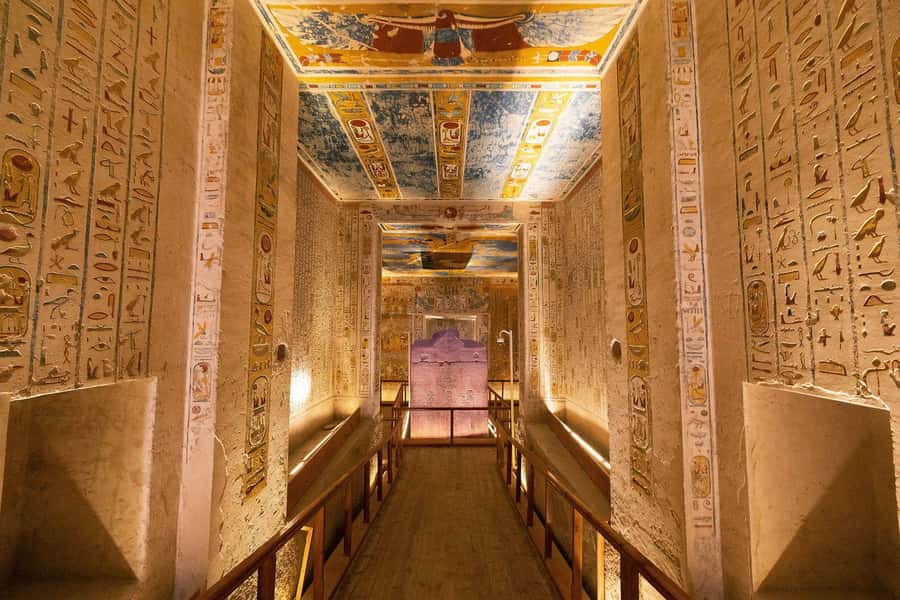
The day begins on the West Bank at the Valley of the Kings, also called the Valley of the Gates of the Kings. This is the emotional center of the tour for many people, especially if Tutankhamun’s burial place has been on your list for years.
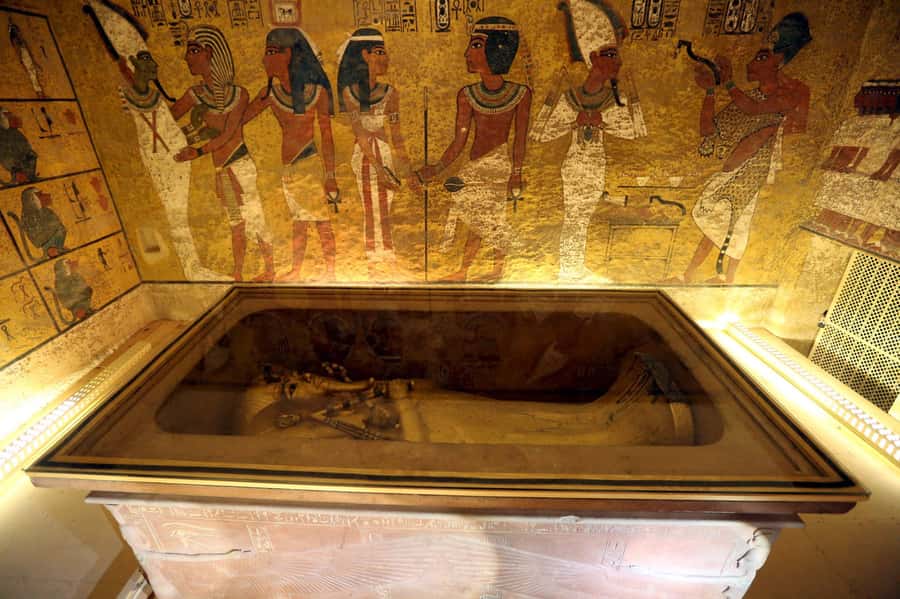
The standard visit allows you to enter three tombs, including the famous Tomb of Tutankhamun. Your guide can explain how the valley was used for royal burials and help you notice the painted scenes and symbols that are easy to miss when you walk through alone.
Tutankhamun’s tomb is famous less for its size than for its place in modern archaeology and popular culture. The burial chamber gives you a direct connection to one of ancient Egypt’s best-known pharaohs. Check the exact ticket arrangement before you go, because the available information is not perfectly clear: general entry fees are included, but one recent booking paid an extra 700 Egyptian pounds for Tutankhamun’s tomb.
You may also be offered optional tombs for an added fee. Rameses V and VI received especially strong praise for their color and preservation. If you have room in your budget, ask your guide about the current supplement and decide based on your interest in painted chambers.
This stop involves walking outdoors and going into underground tombs. You will want water, a hat, and shoes that are comfortable on uneven ground. The valley can feel intense in the heat, so use the private vehicle as a proper cooling break rather than rushing straight from one site to the next.
Valley of the Queens: a different view of royal burial
The Valley of the Queens receives about an hour. It is quieter in tone than the Valley of the Kings and helps correct the idea that ancient Egyptian monuments were built only for pharaohs.
Here you see burial places connected with queens, princesses, and other high-ranking figures. Your guide can explain the differences in status and purpose, while the tomb decorations give you another look at Egyptian ideas about family, religion, and the afterlife.
An hour is enough for a focused visit, but not for every possible chamber. If you are especially interested in royal women or tomb art, tell your guide early in the day. The private format gives you a better chance of adjusting the order or spending a little more time where your curiosity takes you.
Hatshepsut’s three terraces in Deir el-Bahari
The Mortuary Temple of Queen Hatshepsut is one of the day’s most striking architectural stops. Its three broad terraces rise from the desert floor toward the cliffs of Deir el-Bahari, creating a strong sense of order and scale.
Hatshepsut is remembered as a female ruler who presented herself with the authority and symbols usually associated with a king. That political story gives the temple more meaning than its dramatic appearance alone.
Your guide can point out the structure’s relationship with the cliffs and explain the temple’s role as a mortuary complex. You will have time to walk across the terraces, view the long lines of columns, and take photographs.
The sun can be harsh here. There is little reason to hurry, but there is also little shade, so bring water and cover your head. The private car is useful after this stop because the next attraction is only a short sightseeing visit rather than another long exploration.
A few more Luxor trips worth weighing up
- Luxor: Shared Full-Day Tour to Luxor West and East Banks
★ 4.5 · 1,812 reviews - Full Day Tour to East and West Banks of Luxor
★ 5.0 · 1,449 reviews - Luxor : Full Day Tour to Luxor West and East Banks & Lunch
★ 5.0 · 870 reviews - Full Day Tour of Luxor West Bank Temples and Tombs (Private)
★ 5.0 · 722 reviews
Colossi of Memnon: a quick stop with huge statues
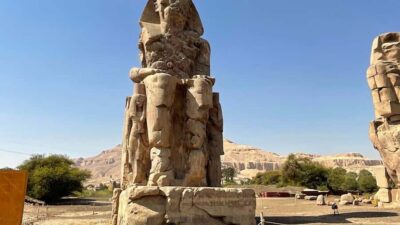
The Colossi of Memnon gets about 30 minutes. These two enormous seated statues once guarded the entrance to the mortuary temple of Amenhotep III.
The temple itself has not survived in the same complete form as Karnak or Luxor Temple, but the statues still give you a clear sense of the scale favored by New Kingdom rulers. Your guide can provide the context while you look around and take photographs.
This is a short stop, and that is appropriate for most people. After the larger tomb and temple visits, you may welcome a brief pause before lunch. If the statues are a major interest for you, ask for the story of Amenhotep III and the temple complex rather than treating the stop as a simple roadside photograph.
Local lunch with a taste of Egypt
Lunch is included at a local restaurant. The meal is described as buffet-style in some bookings, with local Egyptian dishes and a terrace view over the greenery of the West Bank.
The food received warm praise, including one meal that accommodated a gluten-free request with different rice. Drinks are not included, so carry some Egyptian pounds for that extra cost.
This meal is valuable for more than convenience. A long morning of tombs and temples needs a real break, and a local restaurant gives you a chance to eat something beyond the packaged food common on busy sightseeing days. The quality can vary by day and menu, but the descriptions point to a pleasant and reasonably authentic pause.
Some visits also included stops at craft shops, such as alabaster or papyrus galleries. These are not listed as core sightseeing stops, so regard them as possible additions rather than guaranteed highlights. If you want shopping time, say so. If you would rather stay focused on the monuments, make that clear too.
Karnak Temple: give the largest complex your attention
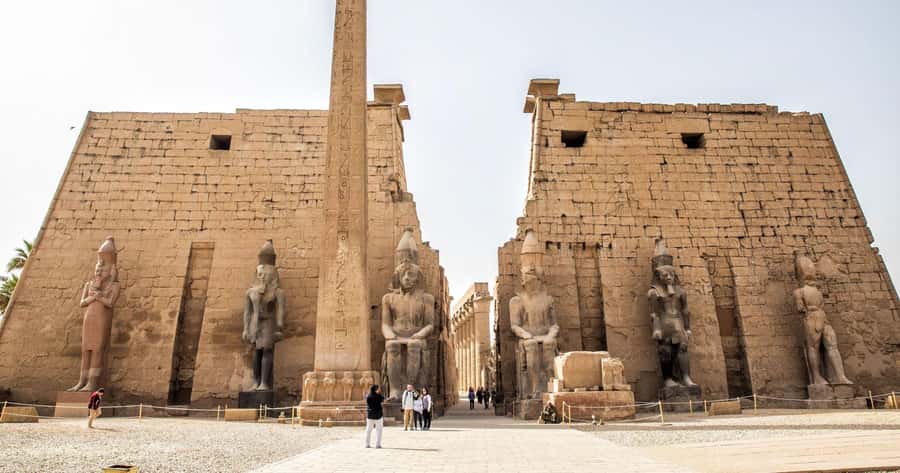
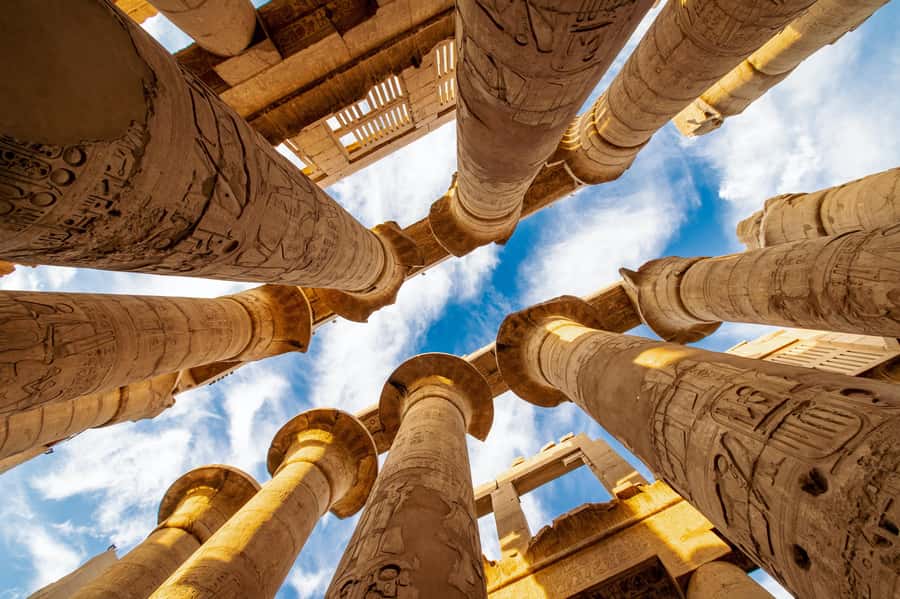
Karnak receives roughly two hours, and it deserves that time. The complex was built and expanded over many centuries, with major work connected to the Theban Triad: Amun, his wife Mut, and their son Khonsu.
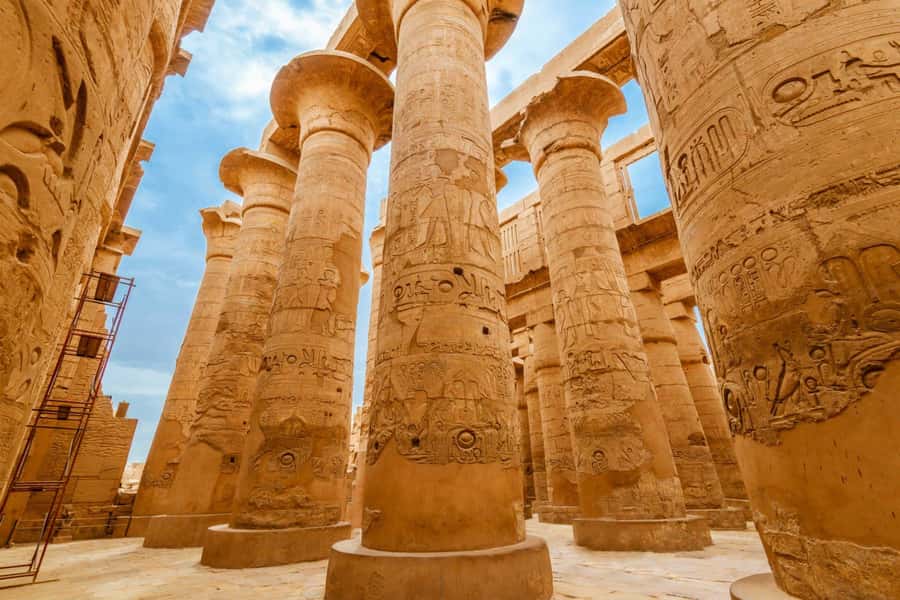
This is not one single temple in the simple sense. It is a vast religious center with avenues, pylons, columns, courts, and sacred spaces added by different rulers. The scale can be hard to grasp until you stand among the columns yourself.
A good guide makes Karnak far easier to understand. Without context, it can feel like an enormous collection of stones. With an explanation of the Theban Triad, royal building programs, and the meaning of the major spaces, the complex becomes a record of changing religious and political power.
Two hours gives you a solid first look, but it will not reveal everything. One booking specifically noted that more time would have been useful and suggested returning independently. I agree with that practical judgment if ancient architecture is your main reason for coming to Luxor.
You should also save energy for Karnak. By this point, you may already have spent hours walking through valleys and across temple courts. Take short pauses, drink water, and let your guide know if you need a slower pace.
Luxor Temple after sunset or late in the day
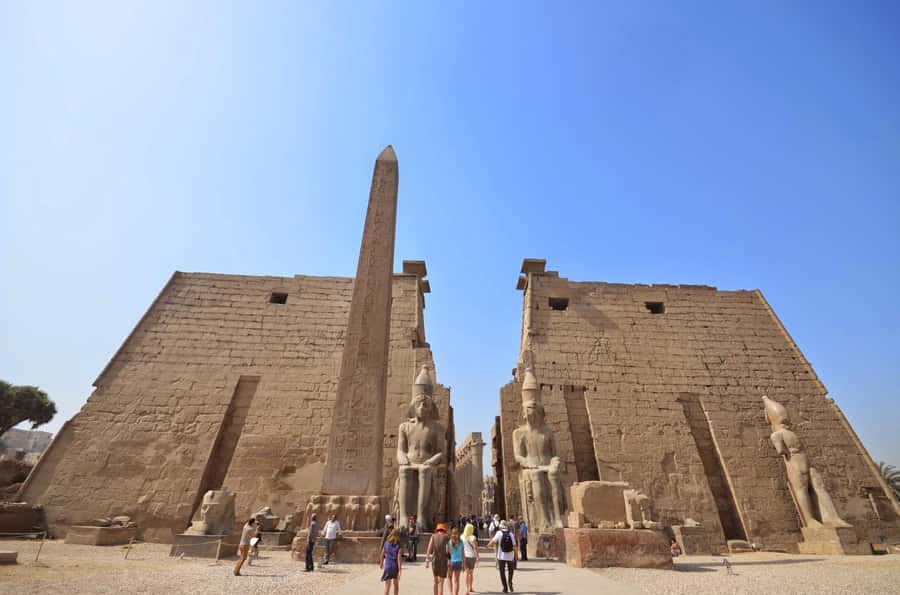
The final major stop is Luxor Temple, begun by Amenhotep III and completed by Ramses II. It was built over a long period, so the monument reflects more than one ruler and one building phase.
Luxor Temple feels different from Karnak. It is more compact, easier to read as a single sequence, and especially impressive when the light softens. The columns, statues, pylons, and processional design make clear how religion and royal ceremony were linked.
Ending here is sensible. After the spread-out sites of the West Bank and the vast scale of Karnak, Luxor Temple provides a strong final chapter. You can listen to the explanation, walk through the main areas, and still have time for photographs before returning to your hotel.
Your guide will connect Luxor Temple with Karnak and explain the religious relationship between the two centers. That connection is one of the useful themes of the whole day: the West Bank shows royal death and memory, while the East Bank presents public worship and royal display.
Guides, drivers, and the private-car advantage
The most consistently praised part of this experience is the human service. Guides named Mina, Salma, Mahmoud Issa, Manal, Nelly, Remon, Hassan, Jackie, Asma, Gabriel, and others were described as friendly, clear, patient, and well informed.
That range of names suggests you are assigned a guide rather than selecting one specific person at booking. The quality of your day will depend partly on the individual you receive. The strongest guides do more than recite dates. They answer questions, tell stories, suggest useful optional tombs, and leave you time to explore alone.
Drivers also receive frequent praise. Cars have air conditioning, pickups are described as punctual, and drivers commonly wait near the entrance while you visit each site. That matters in Luxor, where walking back to find a vehicle in the heat is no small annoyance.
The private group format is a real advantage for solo visitors, couples, and families. You can ask for rest breaks, spend longer at a favorite stop, or adjust small parts of the day. One solo visitor found the arrangement comfortable and still had time to wander and take photographs independently.
Is $140 good value?
At $140 per person, the tour is not the cheapest way to see Luxor. It is also not simply a vehicle hire. The price includes private transportation, hotel transfers, a guide, admission fees, and lunch.
For someone with only one or two days in Luxor, that bundle can make good financial sense. You avoid arranging separate taxis, finding the correct ticket windows, and working out how to cross between the East and West Banks. You also get historical context at every major stop.
The value is strongest for a small private group. If several people share the vehicle, the cost becomes easier to justify. A solo visitor pays more per person but gains the most flexibility and personal attention.
Remember the possible extra cost for Tutankhamun’s tomb and optional tombs such as Rameses V and VI. Drinks at lunch are separate as well. Ask for a current breakdown before departure so your budget matches the day.
Who should book this eight-hour tour?
I would recommend it to you if:
- You have limited time in Luxor.
- You want both East Bank and West Bank highlights in one day.
- You prefer a private guide to a large coach group.
- You want hotel pickup, lunch, and admissions handled together.
- You care about history and want explanations at the monuments.
- You are comfortable with a busy day and lots of walking.
I would think twice if you prefer slow travel. Karnak alone can reward several hours, and the royal valleys deserve patience if you want to inspect many tombs rather than see the main examples.
Families and solo visitors can benefit from the flexible format, but the heat and walking still require planning. Summer bookings need extra care. Several people specifically praised guides who kept the car cool, encouraged hydration, and adjusted the pace.
Cancellation is free up to 24 hours in advance, and you can reserve now and pay later. Those terms are useful if your Egypt plans are still moving, but the central decision is simpler: do you want a broad, efficient introduction, or a slower study of fewer monuments?
Should you book it?
Book this tour if you want to see the essential Luxor sights without spending days arranging transport and tickets. The combination of Tutankhamun’s tomb, the royal valleys, Hatshepsut, Karnak, and Luxor Temple gives you a strong first look at both banks of the Nile.
The best reason to choose it is the private guide and driver. People such as Mina, Salma, Mahmoud Issa, Manal, and Nelly have helped make demanding sightseeing days feel organized and personal. The main warning is to confirm the Tutankhamun supplement and accept that eight hours will feel full.
For a first visit, a short stay, or anyone who wants the big picture quickly, I would book it. If Karnak or tomb painting is your main passion, book the tour as an introduction and plan a second, slower visit.
FAQ
Where does the tour begin?
Pickup is provided from your hotel in Luxor.
How long does the tour last?
The experience lasts eight hours.
Is the tour private?
Yes. It is offered as a private group experience.
Which languages are available?
The live guide service is available in Arabic and English.
Does the tour visit Tutankhamun’s tomb?
Yes. The route includes the Tomb of Tutankhamun in the Valley of the Kings.
Is entry to Tutankhamun’s tomb included?
The general information says entry fees are included, but a recent booking reported paying an additional 700 Egyptian pounds for Tutankhamun’s tomb. Confirm the current arrangement before going.
How many tombs are visited in the Valley of the Kings?
You see three tombs in the Valley of the Kings, including Tutankhamun’s tomb.
Is lunch included?
Yes. Lunch at a local restaurant is included.
Are drinks included with lunch?
No. Drinks are charged separately.
Can the tour be canceled for a refund?
Yes. You can cancel up to 24 hours in advance for a full refund.
Just added around Luxor
- Private Tour foll day to East and West Banks of Luxor★ 5.0 · 23 reviews
- East and West Bank Luxor★ 5.0 · 23 reviews
- Full Day Tour to Luxor (East & West Bank)★ 5.0 · 23 reviews
- Big brother travel★ 5.0 · 23 reviews
- Luxor Day Tour :Valley of Kings & queen & Hatshepsut & Habu city★ 5.0 · 23 reviews
- Luxor: Scenic Camel or Horse Ride★ 3.9 · 24 reviews
- From Cairo: 4-Day Nile Cruise from Aswan to Luxor with Meals★ 4.4 · 24 reviews
- Traditional Egyptian Breakfast at the AlHabib Arabian Horse Farm★ 5.0 · 24 reviews
Full-Day, compared.
Shared Full-Day Tour to Luxor West and East Banks
Read our review →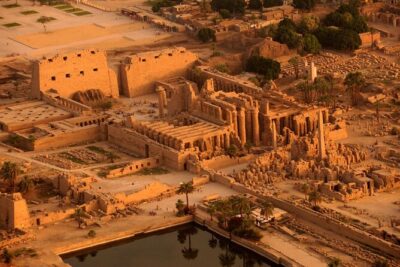
Full Day Tour to East and West Banks of Luxor
Read our review →

Private Full-Day Tour of Historical Alexandria
Read our review →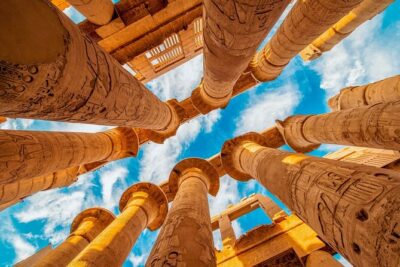
Full Day Tour to Luxor West and East Banks & Lunch
Read our review →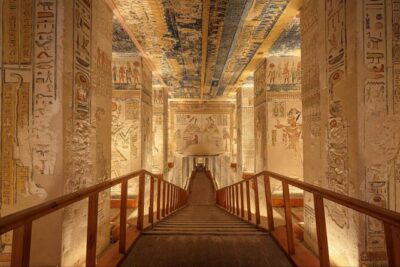
Full Day Tour of Luxor West Bank Temples and Tombs (Private)
Read our review →Browse the lists this tour appears in