
Reviewed · NILE CRUISES
Nile cruise between Aswan and Luxor: Sail the best temples in Egypt
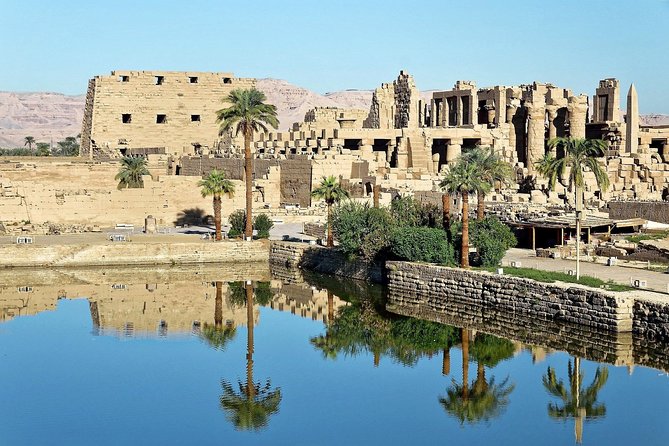
Ancient Egypt unfolds beside the river. This four-day cruise links Aswan and Luxor with Philae, Kom Ombo, Edfu, Karnak, the Valley of the Kings, and more, while giving you time to sit by the pool and watch the Nile go by. I like the strong mix of temple visits and quiet sailing, and the included airport, station, and hotel transfers make the trip easier to arrange. The main drawback is that Abu Simbel costs extra and is optional, even though it is one of the most worthwhile additions.
I also like the guide-led approach, especially for visitors who want Egypt explained rather than simply photographed. Many of the strongest comments praise Mohamed Gaber, often called Moha, for his Spanish, clear explanations, playful theatrical presentations, and careful attention to the group. The schedule is full, though, and the early starts and hot outdoor sites may feel demanding.
In This Review
- The essential facts at a glance
- Why a Nile cruise works so well
- Day 1 in Aswan: easy arrival and time to settle in
- Abu Simbel: the optional excursion I would not dismiss
- Philae Temple: an island sanctuary for Isis
- Kom Ombo: one temple, two gods
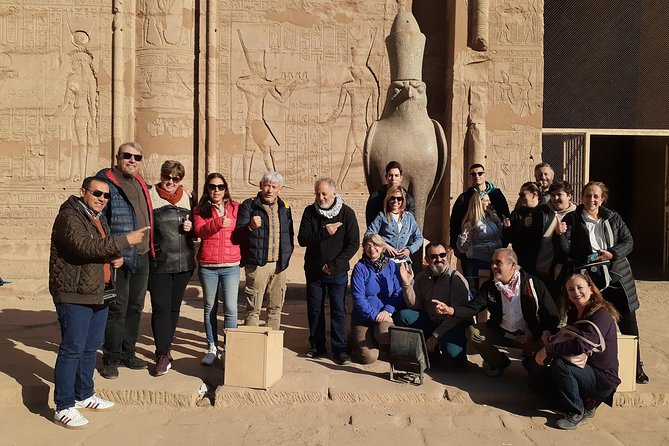
- Edfu Temple: Horus in remarkably good condition
- Karnak and Luxor Temple: Luxor’s powerful double feature
- Valley of the Kings: choose three tombs carefully
- Hatshepsut and the Colossi of Memnon
- What the $500 price really covers
- Guide quality, language, and group feel
- What to pack and clarify before booking
- Should you book this Aswan to Luxor cruise?
- FAQ
- Where does the Nile cruise begin?
- Where does the cruise end?
- How long does the experience last?
- What time does the experience start?
- Is pickup included?
- Is Abu Simbel included?
- Are the temple entrance tickets included?
- Are meals included?
- How many people can join the cruise?
The essential facts at a glance
- Abu Simbel is optional, but worth serious consideration: The rock-cut temples of Ramses II and Nefertari are not included in the ticket price, yet this is one of the most memorable sights connected with Aswan.
- You see both banks of ancient Egyptian culture: The cruise covers island temples, river temples, royal tombs, mortuary architecture, and major city sanctuaries.
- The river provides breathing room: Your first day is largely free, and the boat gives you a place to rest between excursions.
- Transfers are included at both ends: Pickup can be arranged from an Aswan airport, train station, or hotel, with drop-off in Luxor at the place you specify.
- The guide may shape the whole experience: Mohamed Gaber receives repeated praise for his Spanish-language explanations, humor, historical knowledge, and practical help.
- The $500 price covers a lot: Four nights aboard the cruise, four lunches, four dinners, listed entrance tickets, and transfers are included, while drinks, tips, and Abu Simbel are extra.
Why a Nile cruise works so well
Egypt’s great monuments are spread along the Nile, and moving by boat gives this trip a natural rhythm. You unpack once, eat aboard, and wake up closer to the next group of temples instead of changing hotels every night.
I especially like the contrast between the excursions and the sailing hours. You may spend part of the day among carved gods, kings, and columns, then return to the boat for lunch, a swim, or a quiet look at the river. That pause matters. Ancient sites can become a blur when you visit too many in a row by road.
This is not a slow, empty cruise. The program packs in major sights from Aswan to Luxor, with several guided visits on the middle days. You should expect a sightseeing trip with some relaxation, not a purely restful holiday.
The group limit is 30 people. That is small enough to feel more manageable than a large coach group, though the quality of the experience will still depend on how well the guide handles the group and how much free time is allowed at each site.
More Boat Trips in Aswan
- 4-Days Nile Cruise From Aswan To Luxor including Abu Simbel and Hot Air Balloon
★ 5.0 · 3,142 reviews - 4-Day 3-Night Nile Cruise from Aswan to Luxor&Abu Simbel+Balloon
★ 5.0 · 2,023 reviews - 4-Day 3-Night Nile Cruise from Aswan to Luxor including Abu Simbel, Air Balloon
★ 4.5 · 612 reviews
Day 1 in Aswan: easy arrival and time to settle in
The cruise begins with pickup in Aswan. You can be collected from the airport, train station, or a hotel, which is useful if you arrive by train or fly into the city rather than staying nearby.
After boarding, you settle into your room and begin receiving meals according to the boat’s schedule. This first day is free, so you can rest by the pool or explore Aswan independently.
That free time is a smart feature. Aswan can be a welcome change of pace after a busy Cairo schedule, and you may simply want to watch the river, recover from your journey, and get used to the heat. If you do go out, you have room to see the city on your own rather than being guided from one stop to the next.
The information describes the trip as four days but also includes four nights aboard the cruise. Those details do not perfectly match, so I would confirm the exact boarding and checkout schedule before paying. The listed start time is 6:00 am, but pickup timing is also described as arranged according to your location and needs.
Abu Simbel: the optional excursion I would not dismiss
Abu Simbel is the one major extra-cost choice on this cruise. The temples were cut directly into rock during the reign of Ramses II, with one temple honoring the pharaoh and another dedicated to his wife, Queen Nefertari.
The visit lasts about two hours, and the entrance ticket is not included. Still, I would give this excursion serious thought. It adds cost and may make an already busy Aswan day more demanding, but the scale and setting of Abu Simbel are difficult to match.
The important practical point is simple: do not assume Abu Simbel is included in the $500 price. Ask for the current ticket cost and the exact departure plan when booking. Since the supplied details do not give the transport method or departure time for this optional visit, you should get those specifics directly from Conocer Egipto.
If your priority is seeing the most important monuments rather than keeping every expense down, Abu Simbel is likely the best extra on offer. If you prefer a gentler schedule, skip it and use the free time for Aswan and the boat.
Philae Temple: an island sanctuary for Isis
Philae is dedicated to Isis and reached by boat because it sits on an island. That arrival gives the visit a different feel from the roadside temple stops later in the cruise.
The temple itself is included, and the visit lasts about an hour. For me, the short boat approach is part of its appeal. You do not simply step off a bus and enter a monument. The water crossing creates a clear sense of separation between modern Aswan and the ancient sanctuary.
Your guide’s explanations matter here. Egyptian religious symbols can look confusing when seen quickly, since the same deity may appear in different forms and related gods often share overlapping roles. Several comments about Mohamed Gaber praise his ability to explain the Egyptian pantheon in an entertaining way, sometimes using short performances to make the stories easier to follow.
More Nile Cruises in Aswan
- From Aswan: 4-Day Nile Cruise from Aswan to Luxor with Guide
★ 4.1 · 593 reviews - 4-Days Nile Cruise From Aswan To Luxor including Abu Simbel and Hot Air Balloon
★ 4.5 · 509 reviews - 4-Day 3-Night Nile Cruise from Aswan to Luxor – Private Tour
★ 5.0 · 369 reviews - 4 Days Nile Cruise from Aswan to Luxor including Abu Simbel and Hot Air Balloon
★ 4.5 · 356 reviews
Kom Ombo: one temple, two gods
Kom Ombo has an unusual design because it was built for two gods, Sobek and Haroeris. The visit takes about an hour and admission is included.
This is the kind of stop that benefits from a guide. Without context, a temple with paired areas can seem like a collection of columns and worn reliefs. With a clear explanation, the double dedication gives the site a simple organizing idea.
Kom Ombo also helps break up the long river journey. You get a focused visit, then return to the boat rather than spending the whole day on the road. The schedule remains active, but the combination of sightseeing and sailing keeps the day from feeling like a standard bus circuit.
Edfu Temple: Horus in remarkably good condition
Edfu is dedicated to Horus and is described as one of the best-preserved temples in ancient Egypt. The visit lasts about two hours, with admission included.
Good preservation changes the way you see a temple. Walls, reliefs, and architectural lines are easier to read, so you can picture the original religious setting more clearly than at a site where only fragments remain. This is an excellent place to pay close attention to your guide’s explanation of Horus and the temple’s role.
Two hours gives you more time than the shorter stops at Philae and Kom Ombo. Even so, stay aware of the schedule. The day continues to Luxor, and the major monuments there deserve energy and concentration.
The details provided do not specify how you reach Edfu from the boat or how long the transfer takes. Ask about the shore transport when confirming your booking, particularly if you have mobility concerns or prefer to know how much time is spent off the ship.
Karnak and Luxor Temple: Luxor’s powerful double feature
Karnak is one of the biggest stops on the cruise, with about two hours for the visit. Construction continued there for more than 2,000 years under different pharaohs, creating a huge religious complex rather than a single ruler’s monument.
Your focus will likely turn to the avenue of sphinxes, the forest of columns in the great hall, and the avenue of rams. These names are not just guidebook labels. They help you notice the repeated animal forms, massive stone spaces, and ceremonial routes that made Karnak a center of royal worship.
Do not rush your first impression. The scale can be hard to absorb, and a strong guide can help connect separate courtyards and halls into a readable plan. Mohamed Gaber is repeatedly praised for precise, lively explanations, so this is one of the visits where his teaching style could make a real difference.
Luxor Temple follows, also with about two hours and included admission. It was built in honor of Amun Ra, a central figure in the Egyptian religious world. Seen after Karnak, it gives you another way to understand royal ritual and temple design.
The two sites make a demanding pairing. You will see a huge amount in one day, but you may be tired by the second temple. Bring water, wear practical shoes, and save some attention for Luxor Temple after the first big visit.
Valley of the Kings: choose three tombs carefully
The Valley of the Kings is a royal cemetery containing the tombs of many pharaohs of the New Kingdom. The visit includes entry to three tombs of your choice, and the scheduled time is about two hours.
That choice is important. You do not enter every tomb automatically, so ask your guide which three are open and which best suit your interests. Tomb access can change, and the supplied information does not identify a fixed set of chambers.
The Valley is very different from Karnak. Instead of open courtyards and towering columns, you move through decorated underground spaces. The walls bring the ancient religious world close, with painted scenes connected to the pharaoh’s journey after death.
Two hours can pass quickly, especially if you want time to study the wall decoration. Pick your three tombs before you start, rather than losing time at the entrance deciding.
The information also refers to Queen Hatshepsut in connection with the valley, but her famous monument on this day is the separate mortuary temple at Deir el-Bahari. Do not confuse the royal tomb area with her hillside temple.
Hatshepsut and the Colossi of Memnon
Hatshepsut’s mortuary temple receives about an hour of visiting time and admission is included. It was commissioned by one of Egypt’s most important queens and is known for its unusual terraces and strong setting against the cliffs.
This stop adds welcome variety after the underground tombs. You move from enclosed painted chambers to broad outdoor architecture, where the structure and its setting are easier to appreciate together.
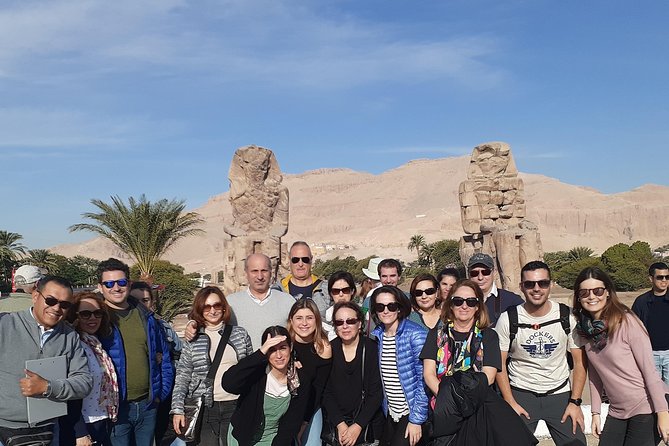
The Colossi of Memnon take only about 15 minutes and have no separate admission charge. These two giant stone statues represent Pharaoh Amenhotep III. The stop is brief, so think of it as a photo and orientation stop rather than a full visit.
That short duration is not a flaw. After a packed morning, a quick look at the statues can be enough before you continue into Luxor. Just keep expectations realistic. The Colossi are impressive for their size, but this is not a long guided exploration.
What the $500 price really covers
At $500 per person, this cruise offers solid value if you use most of the included services. The price includes four nights on the boat, four lunches, four dinners, all listed site admissions, pickup in Aswan, and transfer in Luxor to an airport, train station, or hotel.
Those inclusions remove several expenses that can add up quickly on an independent trip. You are not paying separate entrance fees for Philae, Kom Ombo, Edfu, Karnak, Luxor Temple, the Valley of the Kings, or Hatshepsut’s temple.
You still need to budget for drinks and tips. Abu Simbel is also outside the base price. Since breakfast is not specifically listed among the inclusions, ask about it before booking rather than assuming every meal is covered.
The value is strongest for you if you want a structured route with a guide and do not want to arrange separate transfers between Aswan and Luxor. It is less attractive if you mainly want a quiet cruise and would rather skip several organized visits.
Guide quality, language, and group feel
The guide is a major part of this experience. Mohamed Gaber receives repeated praise for speaking Spanish well, explaining Egyptian culture clearly, and keeping the mood light with theatrical presentations and humor.
That style will suit you if you learn best through stories and interaction. The comments describe a guide who pays attention to practical problems, helps the group stay comfortable, and explains the complicated network of Egyptian gods in a way that is easier to follow.
No guide can remove the physical demands of Egypt’s monuments. You will still walk through exposed archaeological areas, climb or negotiate uneven surfaces in some places, and spend time outside. But a good guide can make the schedule feel more purposeful and help you avoid wasting time.
With a maximum of 30 people, this is not a private tour. If you want a highly personal pace, ask how the group is divided during site explanations and how much independent time you receive.
What to pack and clarify before booking
Bring practical clothing for hot outdoor visits, comfortable walking shoes, sun protection, and a refillable water bottle if permitted by the boat and sites. Drinks are not included, so plan for that extra cost.
Before confirming, ask these direct questions:
- Is the advertised four-day schedule actually four nights, and what are the exact boarding and checkout times?
- What is the current price and transport plan for Abu Simbel?
- Is breakfast included, since only lunch and dinner are specifically listed?
- Which three Valley of the Kings tombs can you choose?
- What language will the guide use for your group?
- How are the airport, station, and hotel pickup times arranged?
Booking can be made directly through WhatsApp at +20 100 137 0325, and the provider gives the website conoceregipto.com. Confirmation is issued at booking. The cancellation rule allows a full refund if you cancel at least three full days before the local start time. Cancellations or changes inside that window are not refunded or accepted.
Should you book this Aswan to Luxor cruise?
Book it if you want the classic Nile route in one organized package, with major temples, royal tombs, meals, four nights aboard, and transfers handled for you. It is especially suitable for first-time visitors, families, and Spanish-speaking groups who value a lively guide. Mohamed Gaber’s personal attention and theatrical teaching style may be a real bonus.
Think twice if you dislike early starts, group schedules, extra charges, or concentrated sightseeing. The cruise includes relaxation, but the main purpose is to see a large number of important sites in a short time.
My practical choice would be to book the cruise, confirm the four-day versus four-night details, and price Abu Simbel before committing. If the final schedule works for you, this is a convenient and good-value way to connect Aswan and Luxor while letting the Nile provide the quiet intervals between Egypt’s monumental chapters.
FAQ
Where does the Nile cruise begin?
The cruise begins in Aswan, in Aswan Governorate, Egypt.
Where does the cruise end?
It ends in Luxor Governorate. After checkout, transfer can be arranged to the hotel, airport, or train station you specify.
How long does the experience last?
The experience is described as approximately four days. It also includes four nights aboard the cruise, so confirm the exact duration and checkout timing when booking.
What time does the experience start?
The listed start time is 6:00 am. Pickup arrangements may depend on your location in Aswan and should be confirmed directly.
Is pickup included?
Yes. Pickup is offered from an Aswan airport, train station, or hotel.
Is Abu Simbel included?
No. The Abu Simbel visit is optional, and its admission ticket is not included.
Are the temple entrance tickets included?
Yes. Admission is included for Philae, Kom Ombo, Edfu, Karnak, Luxor Temple, the Valley of the Kings, and the Mortuary Temple of Hatshepsut.
Are meals included?
Four lunches and four dinners are included. Drinks are not included, and breakfast is not specifically listed among the included meals.
How many people can join the cruise?
The maximum group size is 30 people.
Just added around Aswan
- Private Day Tour to Abu Simble Temple from Aswan★ 4.5 · 23 reviews
- Nile Cruise 2 Nights from Aswan to Luxor with Hot air Balloon★ 4.5 · 23 reviews
- Private Aswan Airport Arrival/Departure One Way Transfer★ 4.5 · 23 reviews
- Best of Luxor in 2 Days Hotel,Tours,Felucca,Camel&Balloon by Plane from Cairo★ 5.0 · 23 reviews
- (3-Nights Cruise From Aswan To Luxor & Balloon, Abu Simbel)★ 4.5 · 23 reviews
- Full Day Sharing Trip To Abou simple Temple form Aswan★ 5.0 · 24 reviews
- Enjoy 2 nights Nile cruise from Aswan to Luxor,Hot deal★ 4.5 · 24 reviews
- 3-Day 2-Night Tour to Aswan, Abusimbel & Luxor★ 5.0 · 24 reviews
Nile Cruises, compared.

4-Days Nile Cruise From Aswan To Luxor including Abu Simbel and Hot Air Balloon
Read our review →
4-Day 3-Night Nile Cruise from Aswan to Luxor including Abu Simbel, Air Balloon
Read our review →
4-Day Nile Cruise from Aswan to Luxor with Guide
Read our review →4-Days Nile Cruise From Aswan To Luxor including Abu Simbel and Hot Air Balloon
Read our review →
4-Day 3-Night Nile Cruise from Aswan to Luxor – Private Tour
Read our review →4 Days Nile Cruise from Aswan to Luxor including Abu Simbel and Hot Air Balloon
Read our review →
4-Day 3-Night Nile Cruise from Aswan to Luxor With Balloon and Abu Simbel
Read our review →
4-Days Nile Cruise Aswan&Luxor,Hot Air Balloon&Abu Simbel.Hot deal
Read our review →Browse the lists this tour appears in