
Reviewed · VALLEY OF THE KINGS TOURS
Private tour Valley of the Kings and King Tutankhamun Tomb
Tut’s tomb is only part of the story. This private Luxor West Bank tour pairs the famous burial place with several richly painted royal tombs, Hatshepsut’s bold temple, and the Colossi of Memnon. I like the private format, which gives you direct access to an Egyptologist guide, and I like the included hotel pickup and air-conditioned transport. The main catch is that the $55 price does not include entrance fees, so your final cost will be higher.
The tour is advertised at about five hours, beginning around 8 a.m., although the long list of possible stops could make the day feel fuller. Guide Amin receives especially warm praise for his clear explanations and friendly manner. One practical warning: the itinerary may include several extra West Bank sites, so ask your guide at the start which tombs and temples are included in your entrance ticket.
In This Review
- Key points at a glance
- Why this private Luxor tour works well
- Entering the Valley of the Kings
- The small tomb that made Tutankhamun famous
- Comparing the royal tombs
- Ramesses III
- Ramesses IX
- Merneptah
- Ramesses IV and Ramesses VI
- Hatshepsut’s temple at Deir el Bahari
- The Colossi of Memnon and the final stops
- What $55 buys you, and what it does not
- Who should book this experience?
- Should you book the Valley of the Kings and Tutankhamun tour?
- FAQ
- What is the price of the private Valley of the Kings tour?
- How long does the tour last?
- What time does the tour start?
- Is hotel pickup available?
- Is this a private tour?
- Is an Egyptologist guide included?
- Can I see Tutankhamun’s mummy?
- What is the cancellation policy?
Key points at a glance
- Tutankhamun’s mummy remains in his own tomb: You see the young pharaoh’s royal mummy in the Valley of the Kings, while his famous gold mask remains in Cairo.
- Private guiding makes a difference: Your Egyptologist guide can answer your questions and adjust the pace for your group.
- Several royal tombs may be covered: The route names Ramesses III, Ramesses IX, Merneptah, Ramesses IV, and Ramesses VI among the possible sites.
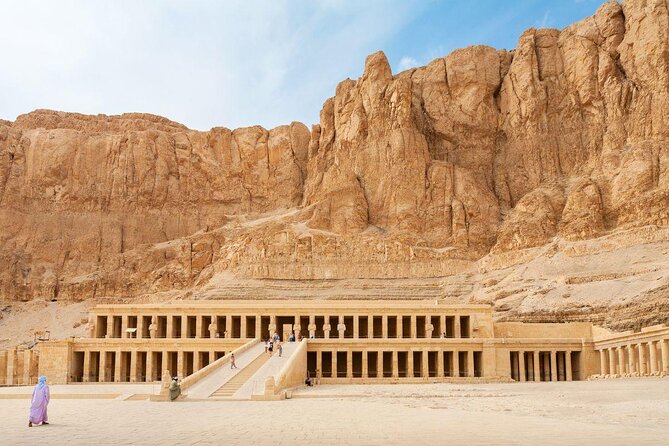
- Hatshepsut’s temple changes the mood: After dark, painted tomb corridors, you step into a broad temple cut into the cliffs at Deir el Bahari.
- The price is low before admissions: At $55 per person, transport and guiding are strong value, but entrance tickets are extra.
- The early start helps: An 8 a.m. pickup gives you a better chance of seeing the West Bank before the strongest heat.
Why this private Luxor tour works well
Luxor’s West Bank is not one attraction. It is a spread-out archaeological area with tombs, temples, statues, and smaller sites scattered across the old Necropolis of Thebes. A private vehicle saves you from arranging transport between them, while the guide gives the monuments a human story instead of leaving you to decode painted walls on your own.
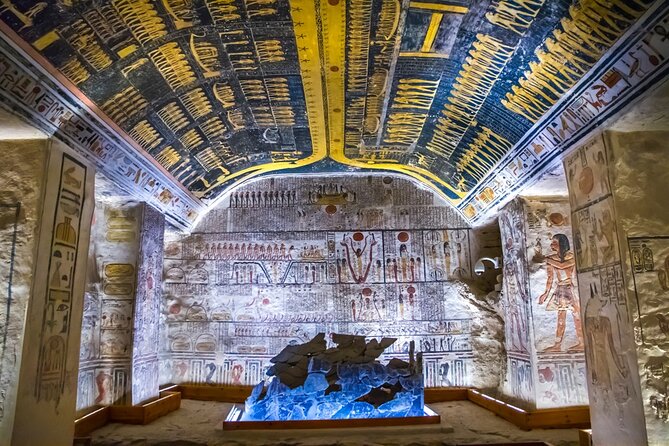
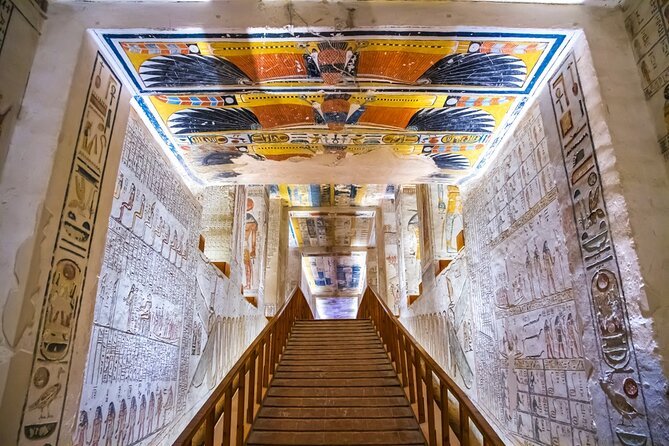
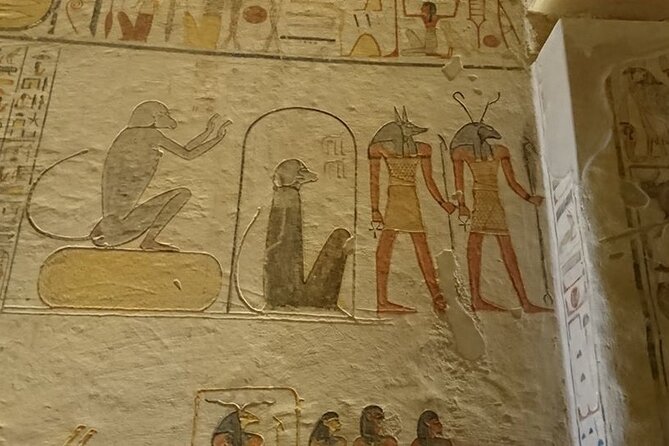
This is especially useful at the Valley of the Kings. From the outside, many tomb entrances look like plain holes in a dry hillside. Inside, the walls open into scenes of gods, rituals, boats, royal figures, and the pharaoh’s journey into the afterlife. A good guide helps you understand why the decoration changes from one tomb to another.
The private setup is the strongest part of the experience. You are not tied to a large group’s questions, walking speed, or photo stops. Amin is specifically praised for his explanations, patience, and willingness to let people explore at their own pace. That matters here because some visitors want a fast historical overview, while others want to study every painted figure.
The timing needs a little care. The experience is described as lasting about five hours, but the detailed route includes a long series of 25-minute tomb visits, an hour at the Valley of the Kings, an hour at Hatshepsut’s temple, and a stop at the Colossi of Memnon. Other places, including Howard Carter’s house, the Ramesseum, the Valley of the Nobles, and the tombs of Ramesses IV and VI, are also named.
That does not necessarily mean every site is guaranteed. It does mean you should clarify the exact plan before setting off. If you want a relaxed visit rather than a race between tombs, a private tour gives you a better chance of shaping the day.
More Valley of the Kings tours:
- Hurghada: Luxor Valley of the Kings & Tutankhamun Tomb Trip
★ 4.7 · 13,208 reviews - Luxor Day Tour: Valley of Kings & Queens & Hatchepsut Temples
★ 5.0 · 1,496 reviews - Luxor: Valley of the Kings and Hatshepsut Temple Day Tour
★ 4.4 · 1,404 reviews
Entering the Valley of the Kings
The tour begins with pickup from a central Luxor hotel or the harbor in an air-conditioned vehicle. You then cross to the West Bank and head for the Valley of the Kings, the royal burial ground used during Egypt’s New Kingdom.
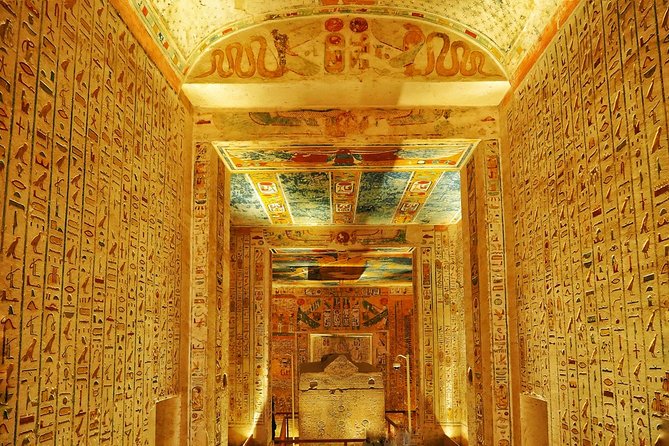
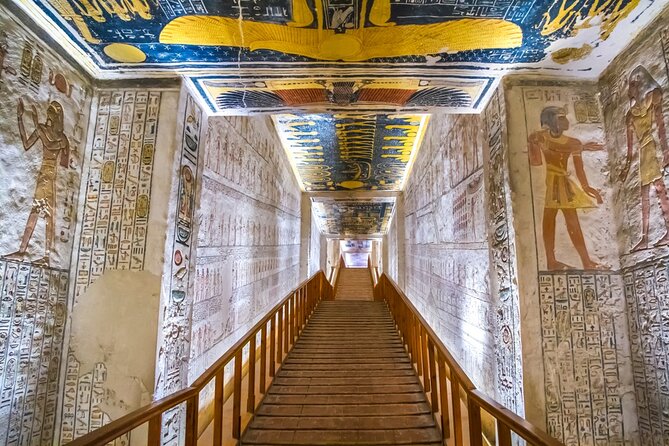
The valley’s fame rests partly on Tutankhamun, but the larger attraction is the collection of royal tombs. These were not simple underground graves. They were carefully planned routes into the mountain, filled with religious texts and images intended to guide the dead king through the afterlife.
Your listed visit includes about an hour in the Valley of the Kings. Entrance fees are not included, so check exactly which tickets your guide expects you to buy. The standard site ticket may cover a set number of tombs, while special tombs, including Tutankhamun’s, can require an additional charge. The supplied information does not state the current ticket prices, so confirm them locally rather than relying on an old estimate.
The valley can be hot, and the site involves walking between the entrance area and tombs. Wear a hat, use sun protection, and carry water. One practical tip from the experience is simple but important: the heat is part of the visit, especially in the warmer months, so light clothing and sensible footwear will make the tomb visits much more pleasant.
The small tomb that made Tutankhamun famous
Tutankhamun’s tomb is the emotional center of this tour. The young king took the throne at about age 10 and died around age 19, yet his name is known around the world because his tomb was found nearly intact in 1922 by Howard Carter.
Inside, you can see Tutankhamun’s royal mummy. That direct connection is unusual. Many ancient royal burials were robbed or disturbed long ago, so standing near the preserved remains of a pharaoh gives this stop a gravity that photographs cannot quite convey.
The tomb itself is smaller than many people expect. Its fame comes from its contents and discovery, not from grand scale. The golden burial mask is not here. It is displayed at the Egyptian Museum in Cairo. Knowing that in advance helps you appreciate what this visit actually offers: the burial chamber, wall decoration, and mummy in the original setting.
The scheduled visit is listed at about 25 minutes. That is enough for a focused look, but not a long, unhurried study session if the site is busy. A private guide can prepare you before you enter, then allow you some quiet time inside.
Tutankhamun’s story also links several other West Bank monuments. Hatshepsut belonged to the same dynasty and was an ancestor of Tutankhamun. Amenhotep III, whose statues you see at the Colossi of Memnon, was Tutankhamun’s grandfather. These connections help turn a series of separate stops into one family story across the New Kingdom.
Comparing the royal tombs
The tour offers more than one royal burial place, and this is where the private guide earns his keep. Each tomb has a different character, so you are not simply seeing the same corridor repeated several times.
More things to do in Luxor:
- Luxor Day Trip from Hurghada Small Group & Tutankhamun Tomb
★ 4.8 · 5,366 reviews - Hot Air Balloon Ride in Luxor Egypt with Transfers Included
★ 5.0 · 4,319 reviews - Luxor: Shared Full-Day Tour to Luxor West and East Banks
★ 4.5 · 1,812 reviews - Luxor: Hot Air Balloon Ride over Luxor Relics
★ 4.8 · 1,681 reviews
Ramesses III
The tomb of Ramesses III, known as KV 11, is celebrated for its colorful sunken reliefs and ritual texts. The walls show the king before the gods and include parts of works such as the Litany of Ra and the Book of Gates.
The tomb also contains unusual secular scenes. Small side rooms depict foreign tribute, imported pottery, boats, royal equipment, and blind harpists. Those harpist scenes give the tomb one of its alternative names, the Tomb of the Harpers.
This is a good stop if you want more than solemn religious imagery. The foreign objects and musicians offer glimpses of court life, trade, and ceremony.
Ramesses IX
Ramesses IX was the third pharaoh of Egypt’s Twentieth Dynasty and a son of Ramesses III. His tomb is known for its decoration, including the ceiling above the sarcophagus where the goddess Nut stretches across the space.
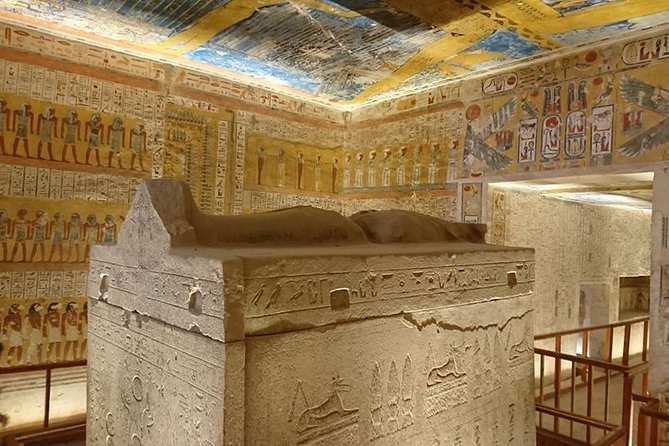
Some paintings have deteriorated, but the tomb remains one of the more decorated examples in the valley. The large sarcophagus is another feature to look for. The visit is listed at about 25 minutes, so listen closely when your guide points out the ceiling and the surviving painted details.
Merneptah
Merneptah was a son of Ramesses II and Queen Isis-Nofret. His tomb, Tomb 8, differs from some earlier royal tombs in its tall corridors and rooms, with fewer side chambers.
That change in design is worth noticing. The Valley of the Kings was not built from one fixed blueprint. Tomb architecture developed over time, and Merneptah’s burial place lets you see that shift in scale and layout.
The tomb was discovered by Howard Carter in 1903, years before he found Tutankhamun’s burial place. A private guide can help connect those discoveries and explain why Carter’s work remains so closely tied to the valley.
Ramesses IV and Ramesses VI
The route also names the tombs of Ramesses IV and Ramesses VI as possible stops. The supplied schedule does not provide separate visit times or confirm that both are included on every departure, so ask before buying site tickets.
If they are part of your day, they add more variety to the comparison between royal tomb plans and painted decoration. With several tombs available, your guide can suggest which ones best match your interests and the time remaining.
Hatshepsut’s temple at Deir el Bahari
After the underground tombs, the Temple of Queen Hatshepsut feels open, bright, and monumental. Deir el Bahari rises in terraces against the cliffs, creating a sharp contrast with the narrow corridors of the Valley of the Kings.
Hatshepsut was the only woman to reign over Egypt as pharaoh, and she ruled during the same dynasty as Tutankhamun. Her temple reflects a confident public image, with broad terraces and formal lines rather than the enclosed, hidden character of a tomb.
The visit is listed at about one hour. That gives you time to look beyond the main approach and take in the relationship between the temple and the cliffs behind it. Your guide can explain Hatshepsut’s place in the royal succession and her connection to Tutankhamun.
The drawback is that the broad exposed spaces offer little relief from the sun. Plan to visit with water, a hat, and sun protection. The temple is also a larger site than the 15-minute Colossi stop, so keep some energy in reserve rather than spending all your attention inside the first tombs.
The Colossi of Memnon and the final stops
The Colossi of Memnon are a quick but worthwhile final stop. These two huge statues date to the reign of Amenhotep III, Tutankhamun’s grandfather and the father of Akhenaten.
The scheduled visit lasts about 15 minutes. That is enough for photographs, a close look at the scale of the statues, and a short explanation from your guide. Do not expect a long temple visit here. The attraction is mainly the statues themselves and their place in the royal succession.
The route also names the Ramesseum, the mortuary temple of Ramesses II, Howard Carter’s house, and the Valley of the Nobles near Gurna. These may be additional places visited during the day, but the information provided does not make clear whether entrance fees or dedicated time are included for each one.
That uncertainty is worth handling directly. At pickup, ask your guide for the planned sequence, the sites covered by your tickets, and any extra entrance charges. One past experience with the tour also noted that guides may suggest additional interesting places and that you should carry extra money. If you agree to add stops, settle the cost before entering.
What $55 buys you, and what it does not
At $55 per person, this is strong value for a private West Bank outing. You receive hotel or harbor pickup, round-trip transport in an air-conditioned vehicle, a qualified Egyptologist guide, and a tour limited to your own group.
The important qualification is the admission policy. Entrance fees are not included. Since the Valley of the Kings contains different ticket categories and special tombs can cost more, the advertised price is not your complete spend.
Still, the basic package covers the parts that are often hardest to arrange independently: getting between scattered sites, finding the right entrances, and having someone explain what you are seeing. For a first visit to Luxor, that can be worth more than a slightly cheaper transport-only option.
The private format also improves value for couples, families, and small groups. You are paying for the vehicle and guide rather than joining a large bus. If your group has shared interests, such as royal tomb decoration or Tutankhamun’s story, you can spend your time where it matters most.
Who should book this experience?
I would choose this tour if you want the major West Bank sights in one organized outing and prefer explanations to a self-guided visit. It suits first-time visitors, cruise passengers using the harbor pickup, and anyone who wants private transport without paying for a luxury-priced excursion.
It is also a good match for people who want flexibility. Amin is praised for answering questions and allowing time to explore at your own pace, although your actual guide may vary. The private arrangement gives you a better chance of requesting more time at a favorite tomb.
I would hesitate if you want a slow archaeological study of every monument. The schedule contains many possible stops, and the advertised duration is only about five hours. A packed route can be useful, but it may feel hurried if every named site is attempted.
Book at least a day ahead if possible. The experience is commonly reserved well before the date, with an average booking lead time of 49 days. Free cancellation is available until 24 hours before the start time, but changes or cancellations inside that window are not accepted.
Should you book the Valley of the Kings and Tutankhamun tour?
Yes, for most first-time visitors to Luxor, this is an appealing and fairly priced way to see the West Bank. The strongest reasons are the private vehicle, the Egyptologist guide, and the chance to visit Tutankhamun’s mummy in the original tomb rather than only seeing photographs in Cairo.
Book it with clear expectations. Budget separately for entrance fees, confirm which tombs are included, and ask how the five-hour estimate fits with the many possible stops. Bring water, sun protection, and extra money if you accept additional visits.
If you want a personal guide and a broad introduction to Luxor’s royal burial grounds, this tour makes sense. If you care more about lingering than checking off sites, ask for a shorter list of tombs and protect your time at the places that interest you most.
FAQ
What is the price of the private Valley of the Kings tour?
The listed price is $55 per person. Entrance fees are not included, so you should budget for those separately.
How long does the tour last?
The experience is advertised as approximately five hours. Some itinerary details describe a longer full-day outing and list many possible stops, so confirm the expected timing with the provider.
What time does the tour start?
The stated start time is 8:00 a.m.
Is hotel pickup available?
Yes. Pickup and drop-off are offered from central Luxor hotels or the harbor.
Is this a private tour?
Yes. Only your group participates, and the tour includes private transport and a guide.
Is an Egyptologist guide included?
Yes. A qualified Egyptologist guide is included in the tour price.
Can I see Tutankhamun’s mummy?
Yes. The tour provides access to Tutankhamun’s tomb, where you can see his royal mummy. His famous golden mask is displayed at the Egyptian Museum in Cairo, not in the tomb.
What is the cancellation policy?
You can cancel for a full refund up to 24 hours before the experience starts. Cancellations or changes made less than 24 hours before the start time are not accepted.
Just added around Luxor
- Private Tour foll day to East and West Banks of Luxor★ 5.0 · 23 reviews
- East and West Bank Luxor★ 5.0 · 23 reviews
- Full Day Tour to Luxor (East & West Bank)★ 5.0 · 23 reviews
- Big brother travel★ 5.0 · 23 reviews
- Luxor Day Tour :Valley of Kings & queen & Hatshepsut & Habu city★ 5.0 · 23 reviews
- Luxor: Scenic Camel or Horse Ride★ 3.9 · 24 reviews
- From Cairo: 4-Day Nile Cruise from Aswan to Luxor with Meals★ 4.4 · 24 reviews
- Traditional Egyptian Breakfast at the AlHabib Arabian Horse Farm★ 5.0 · 24 reviews
Valley of the Kings Tours, compared.
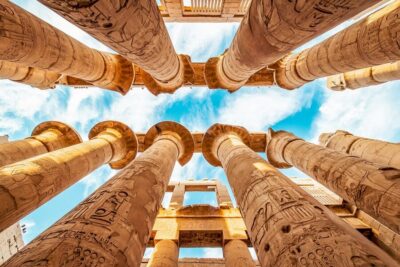
Luxor Valley of the Kings & Tutankhamun Tomb Trip
Read our review →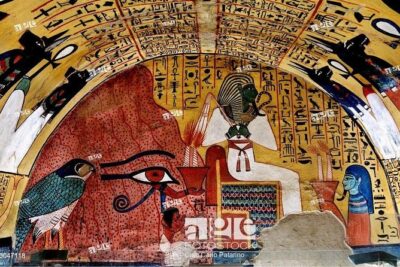
Luxor Day Tour: Valley of Kings & Queens & Hatchepsut Temples
Read our review →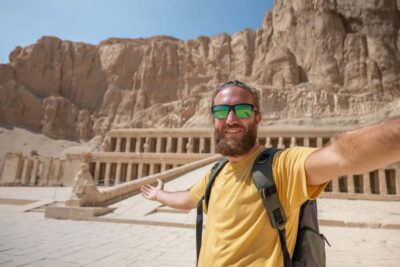
Valley of the Kings and Hatshepsut Temple Day Tour
Read our review →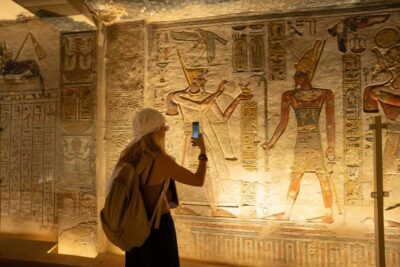
Luxor Tour with Valley of Kings, Karnak & Tut Tomb
Read our review →
Valley of Kings, Hatchepsut Temple ,Karnak & Luxor-DayTour
Read our review →
Small Group Excursion to Luxor Valley of the Kings from Hurghada
Read our review →
Valley of Kings Hatshepsut & Karnak Luxor Day Trip
Read our review →
Valley of the Kings and Queens Guided Tour with Lunch
Read our review →Browse the lists this tour appears in