
Reviewed · LUXOR TOURS
West Bank 2
Luxor’s quieter tombs tell the most human stories. This private West Bank tour takes you beyond the usual royal circuit to the Valley of the Queens, the Valley of the Nobles, and Medinet Habu, with an English-speaking Egyptologist guide to explain the painted scenes and temple carvings. I especially like the less crowded sites and the fact that your guide can connect ancient pictures with everyday Egyptian life. I also like the private, hotel-to-hotel transport, a real help in Luxor’s heat.
The main consideration is timing. The advertised duration is about two hours, which is short for three substantial archaeological sites, especially if you want to pause over the artwork. Nefertari’s tomb also requires a special ticket, so the included entrance fees do not cover that extra visit.
In This Review
- Key points at a glance
- Why this West Bank route is worth your morning
- Valley of the Queens: royal burial chambers with fine color
- Valley of the Nobles: ancient Egypt at work
- Medinet Habu: Ramses III in full military mode
- A private guide changes the pace
- Transport, comfort, and the two-hour question
- Is $47 a fair price?
- Who will get the most from this tour?
- Booking details and cancellation
- Should you book West Bank 2?
- FAQ
- Where does the tour take place?
- How long does the tour last?
- Is hotel pickup included?
- Is the transportation private?
- Is a guide included?
- Are entrance fees included?
- Is bottled water provided?
- Are taxes and service charges included?
- Is tipping included?
- Can I cancel for a full refund?
Key points at a glance
- Four tombs in the Valley of the Queens: The visit focuses on painted burial chambers connected with royal women and the family of Ramses III.
- Daily life in the Valley of the Nobles: Wall scenes show farming, craftwork, food preparation, and other details often missing from royal monuments.
- Medinet Habu and Ramses III: This temple gives you a forceful look at royal power, warfare, and the pharaoh’s public image.
- Private guiding throughout: Only your own group takes part, making it easier to ask questions or request more time at a favorite tomb.
- Hotel pickup and return: A private air-conditioned vehicle handles the transfers from your Luxor hotel.
- $47 per person: With transport, guide, entrance fees, water, taxes, and service charges included, the price is strong for a private outing.
Why this West Bank route is worth your morning
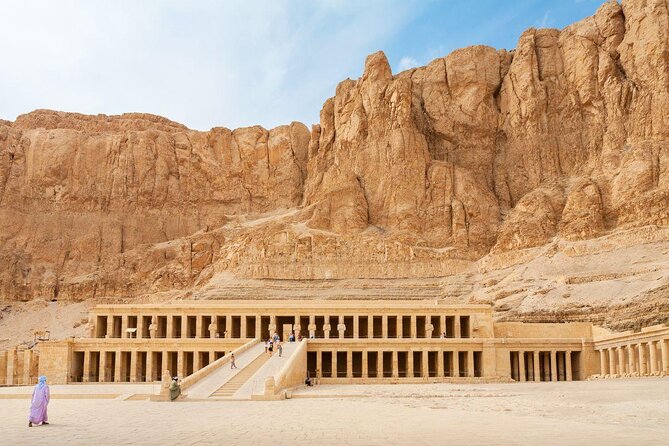
Luxor’s West Bank is often reduced to three famous names: the Valley of the Kings, Hatshepsut’s temple, and the Colossi of Memnon. Those places deserve attention, but they can leave you with a narrow view of ancient Egypt, one centered almost entirely on kings and monumental architecture.
This route adds a different layer. The Valley of the Queens shifts attention toward royal wives and children. The Valley of the Nobles brings ordinary work and family life into the picture. Medinet Habu then returns you to a grand royal temple, but with a sharper focus on battle scenes and Ramses III’s military image.
I like that progression. You move from intimate tomb paintings to scenes of daily work, then finish with a large and highly political monument. It gives your guide plenty to compare, and it helps the sites feel connected rather than like three unrelated stops.
The tour is listed at about two hours. That makes it useful for a tightly planned Luxor schedule, but I would confirm the expected start and finish time when booking if you want a slow visit. A private format helps, yet three stops still require efficient pacing.
More things to do in Luxor:
- Hurghada: Luxor Valley of the Kings & Tutankhamun Tomb Trip
★ 4.7 · 13,208 reviews - Luxor Day Trip from Hurghada Small Group & Tutankhamun Tomb
★ 4.8 · 5,366 reviews - Hot Air Balloon Ride in Luxor Egypt with Transfers Included
★ 5.0 · 4,319 reviews
Valley of the Queens: royal burial chambers with fine color
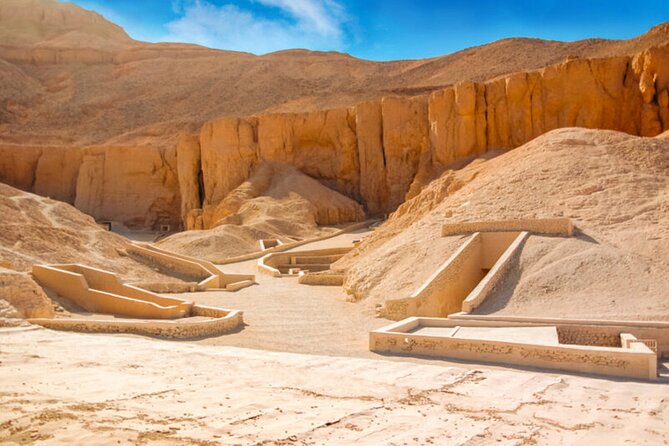
The first main stop is the Valley of the Queens, where members of the royal family were buried. You enter and see four tombs, giving you more than a quick look at one decorated chamber.
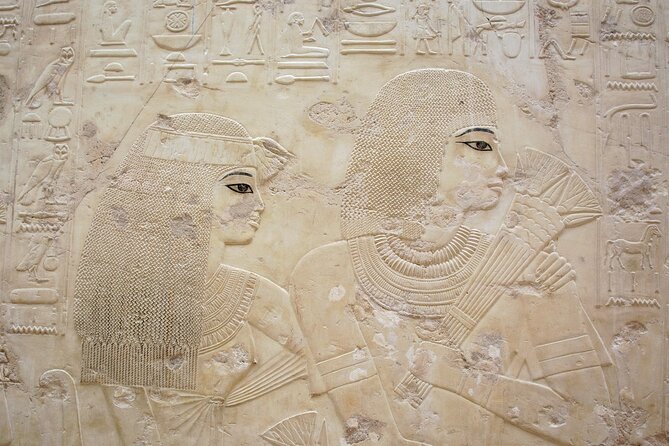
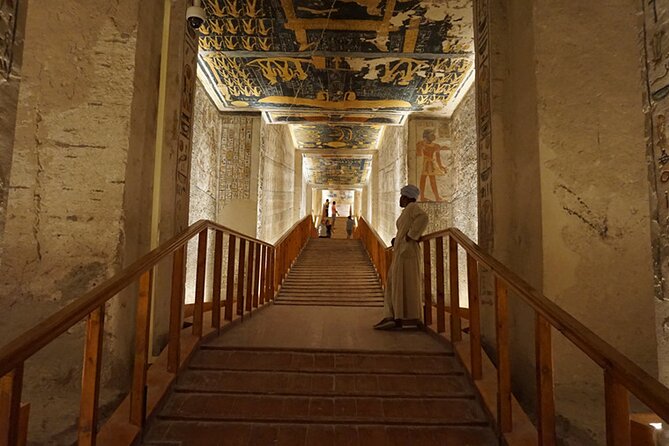
The appeal here is the wall painting. Tomb decoration was not simply there to make a chamber attractive. Images and hieroglyphs helped present the deceased person’s place in the sacred world, and a good guide can explain how the figures, colors, and symbols work together.
The supplied tour details specifically note the tombs of queens, while one guide-led visit also included tombs connected with the sons of Ramses III. That is useful context: the valley is not limited to one type of burial, and your exact selection of open tombs may depend on current site arrangements.
Nefertari’s tomb needs a separate mention. It is one of the most famous tombs in the valley, but its ticket is not included in this package. You should ask about the current price and availability before setting your heart on entering it. The standard tour includes the listed site entrances, not every optional tomb.
For many people, this will be the artistic highlight of the morning. The chambers are smaller and more personal than a large temple court, and the painted surfaces reward careful looking. I would listen to the guide’s explanation first, then take a moment to study the details without rushing.
Valley of the Nobles: ancient Egypt at work
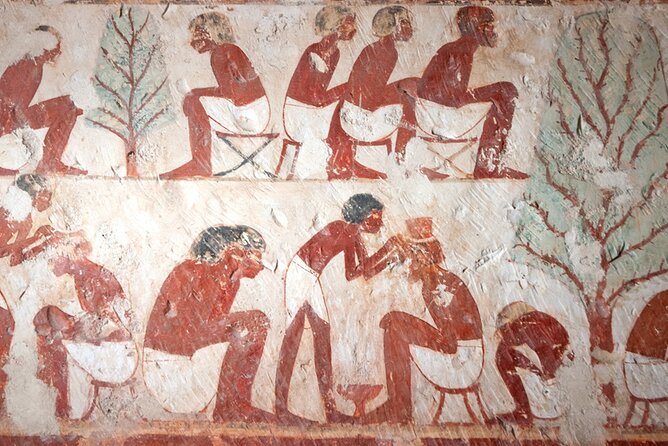
The Valley of the Nobles offers a useful change of subject. These tombs belonged to officials and other high-ranking people rather than pharaohs, and their wall scenes often show the business of living: agriculture, food, animals, crafts, music, and household activity.
This is where the private guide matters most. Without explanation, you may see attractive figures and colorful panels but miss the purpose of the scenes. A guide can point out what the images reveal about work, status, religious beliefs, and the way an official wanted to be remembered.
Several of the named guides praised in the supplied feedback, including Usama, Ahmed, Abdullah, Anwar, Shazly, and Ahmed Awad, were described as strong explainers. The comments also singled out clear English, patience, and the ability to read or interpret carved hieroglyphs. You cannot request a particular guide unless the operator confirms it, but these details indicate the kind of service to expect from the better-matched guide.
The Valley of the Nobles is also a good stop for first-time visitors who want something beyond pharaohs. Scenes of planting, harvesting, fishing, and household production can make ancient Egypt feel less remote. You begin to see the people who administered the state and kept its economy moving.
There is a practical catch. The Valley of the Nobles is a broad group of tombs, not one single chamber with a fixed experience. The exact tombs open to you can vary, and the tour description does not name them. Ask your guide which four or five chambers are available that day and which ones best suit your interests.
Medinet Habu: Ramses III in full military mode
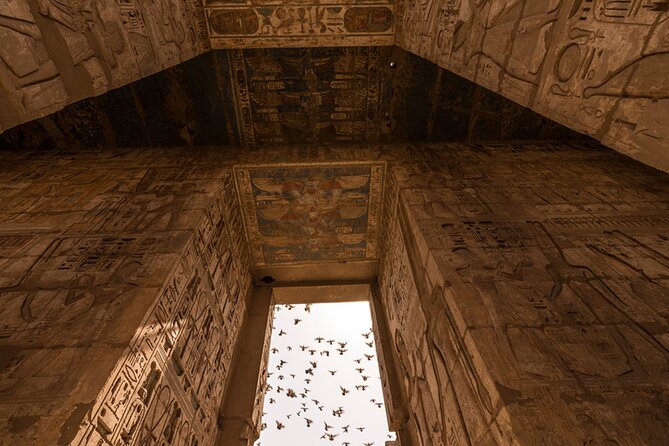
The final stop is Medinet Habu, the large temple associated with Ramses III. Here the mood changes from intimate tomb art to royal display.
The temple is presented as a tribute to Ramses III’s martial ability. Its reliefs and inscriptions focus on warfare, enemies, victories, and the pharaoh’s role as protector of Egypt. This is not a quiet memorial. It is a carefully designed public statement about power.
I find Medinet Habu especially useful after the two valleys because it lets you compare private burial decoration with official royal messaging. In the tombs, you look for clues about belief and daily life. At Medinet Habu, you see the ruler presenting himself as a victorious commander backed by the gods.
The guide’s explanation can make a major difference here. The temple contains a large amount of carved material, and it is easy to walk past battle scenes without knowing what you are seeing. One guide, Ahmed, was praised for explaining the stories behind the carvings and linking the monuments to a wider understanding of ancient Egypt.
The stop also gives the tour a strong finish. If you prefer temples to tombs, Medinet Habu may become your favorite part. If painted burial chambers are your priority, you may wish the itinerary allowed more time in the valleys.
A completely different sort of day out in Luxor:
- Luxor: Shared Full-Day Tour to Luxor West and East Banks
★ 4.5 · 1,812 reviews - Luxor: Hot Air Balloon Ride over Luxor Relics
★ 4.8 · 1,681 reviews - Luxor Day Tour: Valley of Kings & Queens & Hatchepsut Temples
★ 5.0 · 1,496 reviews - Full Day Tour to East and West Banks of Luxor
★ 5.0 · 1,449 reviews
A private guide changes the pace
This is a private activity, so only your group participates. That does not guarantee a long visit at every monument, but it removes the need to follow strangers or wait for a large party to regroup.
You can ask questions as they occur. If a hieroglyph, figure, or ritual scene catches your eye, you have a better chance of getting an explanation instead of saving the question for later. That matters in Luxor, where the amount of visual information can quickly become overwhelming.
The guides named in the feedback were repeatedly praised for clear English, patience, warmth, and historical detail. Abdullah was described as a good companion for a solo visit, while Ahmed Awad was praised for his patience and ability to read carvings. Anwar was noted for his helpful attitude and broad command of the subject.
Those comments also point to an important benefit for solo visitors. A private tour does not require you to assemble a group, and the vehicle, guide, and return transfer are arranged for you. For couples and families, it also lets you set a more comfortable question-and-answer rhythm.
The operator is AlHassany Travel. Guide assignments can change, so treat the names above as examples rather than a promise. If a particular guide is important to you, request that person before the tour and ask for confirmation.
Transport, comfort, and the two-hour question
Pickup is offered from your hotel in Luxor, followed by transfers in a private air-conditioned vehicle. A bottle of water is included, along with the entrance fees for the named sites, taxes, and service charges.
That arrangement saves effort. The West Bank sites are spread out, and arranging separate transport can take time and negotiation. A private car also gives you a place to cool down between stops, which is valuable in Luxor’s strong sun.
The drivers received warm praise in the supplied feedback as well. Ahmed, Faris, Mousa, and others were described as punctual, pleasant, and associated with clean, comfortable cars. One note specifically praised air conditioning and seatbelts, simple details that matter during a sightseeing day.
Still, the listed duration deserves attention. At approximately two hours, the visit is best understood as a focused introduction, not an all-day archaeological study. You will see the three named areas, but the amount of time inside each tomb or temple may be limited.
If you want a more relaxed pace, ask whether the operator can extend the private tour and what extra charge would apply. The listing does not promise a longer version, so do not assume additional time is included.
Is $47 a fair price?
At $47 per person, this is a good value if the listed inclusions are important to you. You receive hotel pickup and return, a private air-conditioned vehicle, an English-speaking Egyptologist guide, entrance fees to the named sites, bottled water, taxes, and service charges.
A cheaper independent visit might be possible if you arrange transport and guides yourself. But the comparison is not simply ticket price versus tour price. You are also paying for coordination, interpretation, and a private vehicle that waits while you visit the sites.
The value becomes stronger for solo visitors and small groups. A private tour can cost more than a shared bus, but the per-person price here remains reasonable, especially when entrance fees and transfers are already bundled.
Tipping is not included. Keep that separate from your budget. Nefertari’s tomb also has a special ticket, so anyone determined to see it should plan for an additional payment.
Group discounts are offered, though the available discount is not specified. If you are traveling with family or friends, ask for the group rate before paying.
Who will get the most from this tour?
I would recommend this experience to you if you have already seen the best-known West Bank monuments or want to avoid spending the entire day in the busiest royal sites. It is also a strong choice if painted tombs and ancient artwork interest you more than long temple walks.
The route suits first-time visitors, too, especially if you want a guide to explain what you are seeing. The Valley of the Nobles can provide a useful introduction to ancient Egyptian society because it shows more than royal ceremony.
Solo visitors should appreciate the private format and hotel return. Families may like the ability to ask questions and keep the outing together without managing a large group.
This may not be the best choice if you want extensive time at every stop. The short advertised duration means you should favor it as a compact West Bank tour. If your priority is Nefertari’s tomb, arrange that special ticket in advance and confirm that enough time is available.
Booking details and cancellation
Confirmation is provided at booking, and most people can take part. The activity ends back at the meeting point, normally your Luxor pickup location.
Free cancellation is available if you cancel at least 24 hours before the start time. Cancellations or changes made less than 24 hours ahead are not accepted for a refund, and the cutoff follows local Luxor time.
Should you book West Bank 2?
Book it if you want a private, well-explained look at three different sides of Luxor: royal women and family burials, the working world shown in noble tombs, and Ramses III’s forceful temple propaganda.
The strongest reasons are the excellent guide-focused format, the quiet alternatives to the standard West Bank circuit, and the practical inclusion of transport and site tickets. The main warning is the two-hour schedule. If you want time to examine every painted wall, request a longer visit before booking.
For $47 per person, this is a sensible choice for an efficient introduction, especially for solo visitors, couples, and small groups who value convenience without giving up a private guide.
FAQ
Where does the tour take place?
The tour takes place on Luxor’s West Bank in Egypt. The stops are the Valley of the Queens, the Valley of the Nobles, and Medinet Habu.
How long does the tour last?
The advertised duration is approximately two hours.
Is hotel pickup included?
Yes. Pickup from your hotel in Luxor and return transportation are included.
Is the transportation private?
Yes. Transfers are provided in a private air-conditioned vehicle, and only your own group participates in the activity.
Is a guide included?
Yes. The tour includes a private English-speaking Egyptologist guide.
Are entrance fees included?
Entrance fees to all the named sites are included. Nefertari’s tomb requires a special ticket and is not included.
Is bottled water provided?
Yes. A bottle of water is included during the tour.
Are taxes and service charges included?
Yes. The listed price includes all service charges and taxes.
Is tipping included?
No. Tipping is not included.
Can I cancel for a full refund?
Yes, if you cancel at least 24 hours before the experience start time. Cancellations or changes made less than 24 hours before the start time are not accepted for a refund.
Just added around Luxor
- Private Tour foll day to East and West Banks of Luxor★ 5.0 · 23 reviews
- East and West Bank Luxor★ 5.0 · 23 reviews
- Full Day Tour to Luxor (East & West Bank)★ 5.0 · 23 reviews
- Big brother travel★ 5.0 · 23 reviews
- Luxor Day Tour :Valley of Kings & queen & Hatshepsut & Habu city★ 5.0 · 23 reviews
- Luxor: Scenic Camel or Horse Ride★ 3.9 · 24 reviews
- From Cairo: 4-Day Nile Cruise from Aswan to Luxor with Meals★ 4.4 · 24 reviews
- Traditional Egyptian Breakfast at the AlHabib Arabian Horse Farm★ 5.0 · 24 reviews
Luxor Tours, compared.
Luxor Valley of the Kings & Tutankhamun Tomb Trip
Read our review →
Luxor Day Trip from Hurghada Small Group & Tutankhamun Tomb
Read our review →
Shared Full-Day Tour to Luxor West and East Banks
Read our review →
Luxor Day Tour: Valley of Kings & Queens & Hatchepsut Temples
Read our review →
Full Day Tour to East and West Banks of Luxor
Read our review →
Valley of the Kings and Hatshepsut Temple Day Tour
Read our review →
2-Day Luxor Tour with Hotel, Balloon, & Boat Ride
Read our review →Browse the lists this tour appears in