
Reviewed · NILE CRUISES
Nile cruise between Luxor and Aswan: Sail the best temples in Egypt
Ancient Egypt unfolds one temple at a time. This five-day cruise combines the major sights between Luxor and Aswan with quiet hours on the Nile, so you get a useful balance of sightseeing and rest. I especially like the inclusion of the Valley of the Kings, Karnak, Luxor Temple, Edfu, Kom Ombo, and Philae. I also like that pickup in Luxor and drop-off in Aswan can be arranged around your hotel, airport, or train station.
The main consideration is the early start and full sightseeing schedule. Day 2 packs several major monuments into one morning and afternoon, while Abu Simbel and the Nubian village require extra planning because they are optional. Drinks, tips, and the Nubian excursion are not included in the $625 price.
In This Review
- Five things to know before booking
- Why a Nile cruise works so well
- Day 1 in Luxor: board, settle in, and slow down
- Day 2: royal tombs and Luxor’s grandest temples
- Day 3: Horus at Edfu and two gods at Kom Ombo
- Day 4: Philae, the felucca, and the Abu Simbel decision
- The guide can shape the entire experience
- Day 5 in Aswan: an easy finish with flexible transport
- What the $625 price really covers
- Who should book this Nile cruise?
- Should you book it?
- FAQ
- How long is the Nile cruise?
- Where does the cruise start?
- Where does the cruise end?
- Are temple entrance tickets included?
- How many tombs can I enter in the Valley of the Kings?
- Is Abu Simbel included?
- Is the Nubian village visit included?
- What is included in the cruise price?
Five things to know before booking
- Four nights aboard the cruise boat: Your room, five lunches, and four dinners are included, giving you a fixed base while the temples come to you along the river.
- A strong run of major monuments: The route includes three Valley of the Kings tombs, Hatshepsut, Karnak, Luxor Temple, Edfu, Kom Ombo, and Philae.
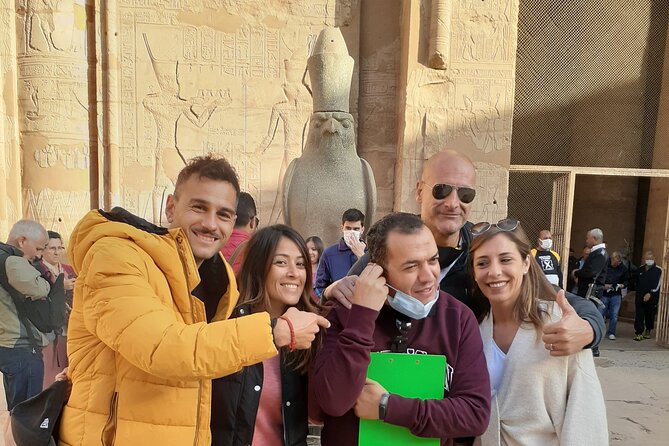
- Guide Mohamed Gaber, known as Moha: His clear explanations, humor, and small theatrical touches received especially warm praise. He is also described as helpful with practical needs such as currency and internet.
- Abu Simbel is optional but important: The temples of Ramses II and Nefertari are not part of the standard included visits, yet they are one of the most memorable additions available from Aswan.
- A small group capped at 30 people: That is not an intimate private tour, but it gives the group a manageable size for a guide-led program.
- One-way transport is built in: Pickup is offered in Luxor, and the operator will take you to your chosen hotel, airport, or station in Aswan after checkout.
Why a Nile cruise works so well
A Nile cruise solves a basic Egypt travel problem: the best monuments are spread along the river, and roads between them can be tiring. Instead of changing hotels each night, you unpack once and let the boat carry you from Luxor toward Aswan.
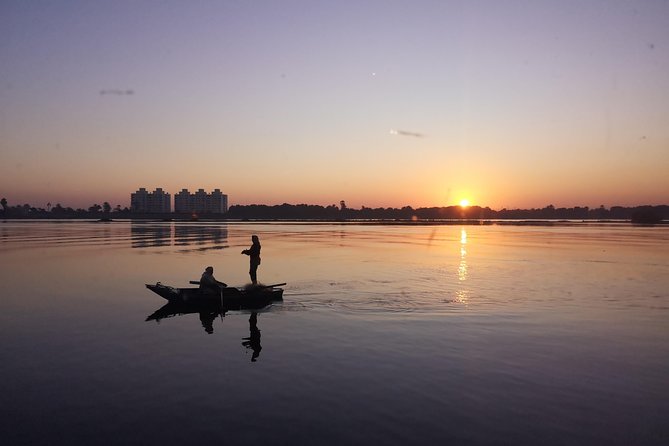
The river is not just transport. The afternoon sailing period gives you a break from stone courtyards, heat, and guide commentary. You can rest near the pool, watch the banks pass, and let the scale of the country sink in. The schedule provides around three hours of navigation between Luxor and Edfu, followed by visits to Edfu and Kom Ombo on the next day.
At $625 per person, the value depends on what you would otherwise spend on four nights of lodging, meals, local transfers, entrance tickets, and guides. Here, those costs are bundled together. Drinks and tips remain extra, and the optional excursions can increase the final price, but the basic package covers the core temple route.
This is a sightseeing cruise, not a luxury resort holiday. The boat gives you a pool and calm sailing periods, but the main reason to book is access to ancient sites with a guide. If you want a slow trip with long mornings in bed, this schedule may feel demanding.
More Boat Trips in Luxor
- Hurghada: 2-Day Luxor Tour with Hotel, Balloon, & Boat Ride
★ 4.5 · 1,113 reviews - From Luxor: 3-Night Nile Cruise to Aswan and Hot Air Balloon
★ 3.7 · 297 reviews - Amazing Sunset sailing by Felucca in Luxor -2 Hours (Private)
★ 5.0 · 255 reviews
Day 1 in Luxor: board, settle in, and slow down
Pickup is available in Luxor from an airport, train station, or hotel. The stated meeting point is Luxor Temple, with a listed start time of 6:00 am, though the pickup wording says the exact place and time can be arranged. Confirm those details before setting out.
Once aboard, you settle into your room and begin meals according to the boat’s schedule. The first day is free, which is welcome after arrival. You can rest beside the pool or explore Luxor independently.
That open time is useful because Luxor deserves more than a quick transfer. If you have already seen the city, use the day to recover and learn the rhythm of the boat. If you are new to Luxor, you can make your own way around town, though the supplied schedule does not include a guided city tour on this first day.
The practical advantage is simple: the cruise begins with breathing room rather than an immediate monument marathon. The drawback is that the program does not spell out every meal for Day 1. It specifically includes five lunches and four dinners, so ask what is covered on your arrival day and whether breakfast is part of the boat’s service.
Day 2: royal tombs and Luxor’s grandest temples
Day 2 is the busiest historical day. You begin at the Valley of the Kings, the great burial ground of New Kingdom pharaohs. The visit includes entry to three tombs of your choice, which matters because the interiors differ in decoration, condition, and atmosphere.
The valley is more than a collection of famous names. It shows how royal burial customs changed from visible pyramid monuments to hidden rock-cut chambers. Three tombs give you enough variety without turning the stop into a blur of painted walls.
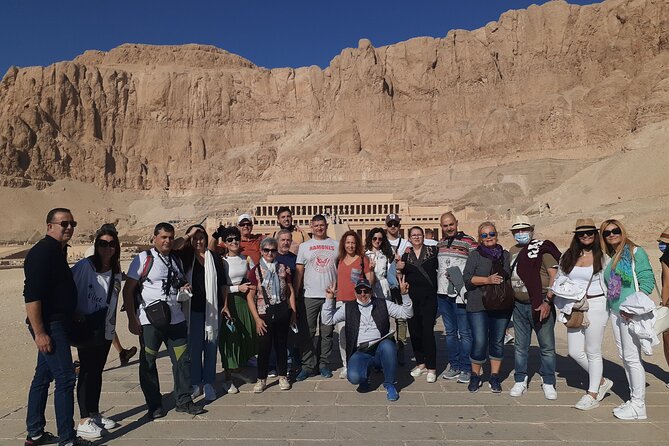
Next comes the Temple of Hatshepsut at Deir el Bahari. Built for one of Egypt’s most important female rulers, it is arranged in broad terraces against the cliffs. The setting helps explain why this monument feels different from the enclosed temple complexes later in the trip.
The stop at the Colossi of Memnon is short, about 15 minutes. These two huge statues represent Pharaoh Amenhotep III. This is a quick photo stop rather than a long visit, so keep your expectations in check. Its value comes from seeing the scale of the figures and their place within the ancient Theban area.
Karnak then supplies the day’s largest temple complex. Different pharaohs added to it over more than 2,000 years, creating a place that can feel like an entire sacred city. Give special attention to the Avenue of the Sphinxes, the ram-headed figures, and the enormous column hall.
Karnak rewards a guide who can explain how the parts fit together. Without context, you may see a forest of columns and scattered walls. With a good explanation, you begin to understand the religious purpose, royal additions, and changing symbols.
Luxor Temple provides a smaller but very atmospheric finish. It was dedicated to Amun Ra, one of the central gods of ancient Egypt. The temple’s role in royal ceremony makes it a useful counterpoint to the Valley of the Kings, which focused on death and the afterlife.
After the monuments, the boat begins its afternoon navigation toward Edfu. This is the moment to use the pool, find a quiet place on deck, or simply sit with the river views. I consider this pause one of the strongest parts of the program because it keeps the day from becoming five straight days of hurried walking.
Day 3: Horus at Edfu and two gods at Kom Ombo
Edfu Temple is dedicated to Horus and is among the best-preserved temples in Egypt. Its condition makes the visit especially rewarding. You can read the layout more easily than at many ruined sites, from the monumental entrance to the inner sacred areas.
A two-hour visit gives your guide time to explain the myths and the temple’s religious purpose. Look closely at the wall carvings and repeated images of Horus. The details are easier to appreciate when you are not racing through the building.
Kom Ombo has a different appeal. It was built for two gods, Sobek and Haroeris, making its plan unusual. The paired religious focus gives the temple a strong sense of balance and helps you see how Egyptian worship could bring different divine roles into one complex.
The stop lasts about an hour, so it is shorter and more concentrated than Edfu. You will want comfortable shoes and water, though drinks are not included in the cruise price. The boat schedule and temple visits make this a good day for people who want a clear structure rather than independent transport between scattered sites.
More Nile Cruises in Luxor
- 5 Days Private Guided Nile River Cruise Tour from Luxor to Aswan
★ 5.0 · 229 reviews - Historia Hotel Nile Cruise, Mon. from Luxor 4 nts inc. Excursions
★ 5.0 · 185 reviews - From Luxor: 5-Day Nile Cruise to Aswan with Balloon Ride
★ 4.2 · 168 reviews - 4 Days Aswan and Luxor Nile cruise&Abu Simbel by plane from Cairo
★ 5.0 · 155 reviews
Day 4: Philae, the felucca, and the Abu Simbel decision
Day 4 offers the most important choice of the trip: adding Abu Simbel. The optional excursion visits the rock-cut temples built during the reign of Ramses II. One temple honors Ramses II, while the other is dedicated to his wife, Nefertari.
I would give serious thought to adding it. The standard cruise already covers an excellent set of sites, but Abu Simbel is far enough from the main river route that it usually requires separate planning. The supplied details describe a two-hour visit and mark admission as free, but they do not state the optional excursion’s transport cost. Confirm exactly what you will pay before agreeing.
Later, Philae offers a gentler visit. The temple is dedicated to Isis and sits on an island, so you reach it by boat. That short ride adds to the sense of occasion and gives you a different view of the Nile than the main cruise ship.
Philae also helps you see how Egyptian monuments have been protected and relocated in the modern era, though the details of that process should come from your guide. Allow about an hour for the temple visit.
The day also includes a felucca ride. These traditional sailing boats offer a lower, quieter view of the river and everyday life along its banks. The ride lasts about an hour and is less about monuments than about seeing the Nile as a living waterway.
A Nubian village visit is another optional addition. It lasts about three hours and includes contact with Nubian communities, traditional ways of life, and a place on the Nile where you can bathe if you choose. The excursion is not included, so ask about its price and exact arrangements. It will suit you if you want cultural contact beyond pharaohs and temples, but it will make an already full day longer.
The guide can shape the entire experience
The strongest personal praise centers on Mohamed Gaber, who likes to be called Moha. He is described as organized, attentive, funny, and able to explain ancient Egypt in a lively way. Several comments emphasize that he made people feel safe, handled questions, and paid attention to individual needs.
That matters here. The monuments are powerful, but they can also become a parade of unfamiliar rulers, gods, and dates. A guide who explains clearly can turn Karnak’s columns, Hatshepsut’s terraces, and Edfu’s carvings into connected stories.
Moha’s approach reportedly includes theatrical explanations and invitations for people to take part. That style will appeal to you if you enjoy an energetic guide rather than a quiet lecture. If you prefer to wander alone and read at your own pace, stay aware that this is a guided group program.
The feedback also praises the boat crew as friendly and helpful, with particular warmth for a ship director called Máximo. Service can affect a cruise as much as the monuments do, especially when you are eating and sleeping aboard for four nights. Still, the exact ship name, cabin size, deck facilities, and sailing dates are not provided, so ask for those details before paying.
Day 5 in Aswan: an easy finish with flexible transport
After breakfast and checkout, you have free time in Aswan. The operator will take you to the hotel, airport, or train station you specify when needed.
That flexible ending is valuable if Aswan is part of a longer Egypt trip. You can continue to a hotel, catch transport, or arrange your onward plans without returning to Luxor. The program does not include a guided Aswan city tour on Day 5, so plan independently if you want more time in the city.
The lack of a final scheduled visit is also a benefit. After several early starts, you can end the cruise at your own pace rather than being pushed toward one last monument.
What the $625 price really covers
The price includes four nights of cruise accommodation, all visits listed as included, entrance tickets to those places, pickup in Luxor, transfer in Aswan, five lunches, and four dinners.
That is a useful bundle. Entrance fees alone can make independent temple touring harder to price, while transfers between airports, stations, hotels, and the boat can add hassle. You also avoid packing and unpacking as you move south.
The inclusions need careful reading. Abu Simbel is optional, and the Nubian village visit is specifically not included. Drinks and tips are extra. The day-by-day details also mark the felucca ride and Abu Simbel admission as free, but they do not explain all optional transport costs. Get a written breakdown before booking.
The group limit is 30 people. That is small enough for an organized shared trip, but not small enough to expect a private experience at every monument. The operator confirms most people can participate, yet no detailed mobility information is supplied. Ask directly if you have mobility concerns or need special arrangements.
Booking is available through WhatsApp at +20 100 137 0325, and further information is provided at conoceregypto.com. Confirmation is issued at booking. Cancellation is allowed for a full refund if you cancel at least three full days before the local start time. Later cancellations and late changes are not accepted.
Who should book this Nile cruise?
I would recommend it to you if you want the main Upper Egypt sights arranged in one package, prefer sleeping in one place for four nights, and value a guide who brings personality to the history.
It is also a good match for first-time visitors who want help with transfers, tickets, and the sequence of temples. Families and mixed-age groups may appreciate the combination of structured visits and rest periods aboard the boat.
You may want another option if you dislike early mornings, group touring, or fixed meal schedules. Independent visitors who want long, unhurried time at each temple may find the pace brisk, especially on Day 2.
The optional additions deserve a final look. Abu Simbel is the stronger choice for ancient monuments. The Nubian village is the better choice if local culture and river life matter more to you. Adding both could make Day 4 tiring, so consider your energy as carefully as your budget.
Should you book it?
At $625, this is a sensible package for a five-day Luxor to Aswan route, especially with four nights aboard, included temple tickets, meals, and one-way transfers. Its biggest strength is the mix of famous monuments and unhurried Nile sailing.
I would book it if Moha is confirmed as your guide and the boat details match your needs. Before paying, confirm the ship name, cabin category, exact pickup time, Abu Simbel pricing, Nubian village cost, drinks policy, and what is served on Day 1.
FAQ
How long is the Nile cruise?
The experience lasts approximately five days and includes four nights of accommodation on the cruise boat.
Where does the cruise start?
It starts in Luxor. Pickup can be arranged from a Luxor airport, train station, or hotel. The stated meeting point is Luxor Temple, and the listed start time is 6:00 am.
Where does the cruise end?
It ends in Aswan after breakfast and checkout on Day 5. The operator can take you to your chosen hotel, airport, or train station.
Are temple entrance tickets included?
Tickets are included for the Valley of the Kings, Temple of Hatshepsut, Karnak, Luxor Temple, Edfu Temple, Kom Ombo Temple, and Philae Temple.
How many tombs can I enter in the Valley of the Kings?
You can enter three tombs of your choice.
Is Abu Simbel included?
Abu Simbel is an optional excursion, not part of the standard included visits. The provided details mark the admission ticket as free, but do not state the optional excursion’s full cost.
Is the Nubian village visit included?
No. The Nubian village excursion is optional and its admission or participation cost is not included.
What is included in the cruise price?
The price includes four nights aboard the cruise, listed visits and included tickets, pickup in Luxor, transfer in Aswan, five lunches, and four dinners. Drinks and tips are not included.
Just added around Luxor
- Private Tour foll day to East and West Banks of Luxor★ 5.0 · 23 reviews
- East and West Bank Luxor★ 5.0 · 23 reviews
- Full Day Tour to Luxor (East & West Bank)★ 5.0 · 23 reviews
- Big brother travel★ 5.0 · 23 reviews
- Luxor Day Tour :Valley of Kings & queen & Hatshepsut & Habu city★ 5.0 · 23 reviews
- Luxor: Scenic Camel or Horse Ride★ 3.9 · 24 reviews
- From Cairo: 4-Day Nile Cruise from Aswan to Luxor with Meals★ 4.4 · 24 reviews
- Traditional Egyptian Breakfast at the AlHabib Arabian Horse Farm★ 5.0 · 24 reviews
Nile Cruises, compared.

4-Days Nile Cruise From Aswan To Luxor including Abu Simbel and Hot Air Balloon
Read our review →
4-Day 3-Night Nile Cruise from Aswan to Luxor including Abu Simbel, Air Balloon
Read our review →
4-Day Nile Cruise from Aswan to Luxor with Guide
Read our review →4-Days Nile Cruise From Aswan To Luxor including Abu Simbel and Hot Air Balloon
Read our review →
4-Day 3-Night Nile Cruise from Aswan to Luxor – Private Tour
Read our review →4 Days Nile Cruise from Aswan to Luxor including Abu Simbel and Hot Air Balloon
Read our review →
4-Day 3-Night Nile Cruise from Aswan to Luxor With Balloon and Abu Simbel
Read our review →
4-Days Nile Cruise Aswan&Luxor,Hot Air Balloon&Abu Simbel.Hot deal
Read our review →Browse the lists this tour appears in